For an average size kitchen of between 200-300 square feet you can budget a minimum of $25,000 for your Austin kitchen makeover. There are no larger DIY kitchen remodeling projects. Once the demolition is accomplished the inexperienced homeowner should consider his part in the remodel to be complete. It's time to get the building professionals involved to make sure that the resulting kitchen upgrade functions correctly. The correct electrical wiring with the new outlets and appliance rough ins should be installed within the kitchen's frame work. Dedicated circuits per the national electrical code should be wired by a qualified electrician. This will insure that two appliances can be running simultaneously without tripping any circuit breakers. The electrician will also install the needed GFI circuits that keep you safe around any wet areas. It's also a great time to install all the upgraded lighting fixtures with the new switching they require. Skimping on the electrical budget can cause many problems including an electrical fire.

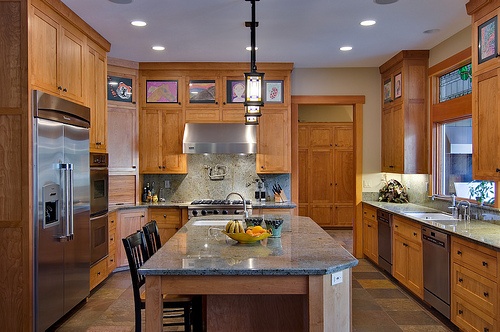


To begin with, kitchen upgrades and bathroom remodels return the most money at resale on the initial investment of the remodeling project. National averages show that kitchen remodels recoup around 70% of the costs of the upgrade at the time of resale of the home. However, your Austin kitchen remodel costs should never exceed 15% of the total value of your home. Here is where you need to get your thinking cap on and plan for an affordable budget that is within your means. Your material choices are very important and if you need to stay mid-level to fit the budget then do so. The labor involved for the project will be around 1.6 times the cost of the materials used. The total budget should allow $150 per square foot for your kitchen upgrade project.
Austin kitchen remodeling will need to produce a better service or work triangle between the sink, refrigerator, and stove placement. The shorter the sum of the triangle legs the more efficient the layout. Twelve to fifteen feet is an optimum size for efficiency. Islands can also be incorporated into the design to increase your functionality. The prep sink within the island can become it's own focal point of the work triangle reducing the duties of the main kitchen sink. The orientation of the island toward the work triangle is very important making sure traffic can still flow freely within the designated triangle. Islands can contain all sorts of special storage areas. Mixer lifts, produce storage drawers, wine storage, and dough board pullouts are just a few of the many useful aspects that can be incorporated into the island.
Plumbing upgrades need to be addressed and the use of a master plumber will make sure that everything functions correctly. Moving a sink over a small amount can add an additional $2,500 to your project's hard costs as it affects both the plumbing and the floor. The plumber can be sure that you have adequate water volume for any additional fixtures that will be involved. The plumber will be involved through the setting of the sink, fixtures, and all appliances requiring water to operate. When choosing a kitchen sink, whether it is a drop in model or an under mount, you can never go wrong with a good grade of stainless steel. These sinks never go out of style and you can outfit them with any color and kind of faucet that you see fit.
Placing the dishwasher beside the sink and raising it up slightly obove the floor makes reaching in to load or empty the machine a more comfortable activity. Placing the spice drawers or shelves next to the cook stove also makes good sense. Storage of pots and pans must also be placed within the vicinity of the stove. Cooking and eating utensils must have their place between the stove and sink according to use. Task lighting is a concern making sure there is plenty of light to function properly as well as placing adequate light used over the main kitchen sink. Roll out trash bins or pull out shelves are a consideration during the layout process. Let's not forget ADA remodeling concepts for comfort if you are preparing for the future.
Moving on to the fine cabinetry for the project, you are limited by what you have budgeted for. Traditional face frame medium grade oak or maple cabinets will cost you around $160 per linear foot. Any exotic wood species are even more costly. Special cabinet amenities like pullouts beyond the basic drawer and shelf storage will add more to the total cabinet price. If the intent of your upgrade is to increase your accessibility via an ADA remodel as in wheelchair accessible, the new cabinets will most likely have to be custom made. These alterations should be done by a qualified residential construction contractor who is accomplished in dealing with the local ADA codes.
A traditional home builder has never truly considered the special needs of the disabled or aging within any home design. Unfortunately the design emphasis is always put on aesthetics and takes for granted everyone's mobility. There certainly are no guarantees or clauses within any home's sales contract that will prevent our future personal life experiences from introducing us to at least a temporary disability. Accidents will always happen and you could find yourself having to utilize a wheelchair or walker to facilitate your independence for mobility. Limitations in our mobility or constantly changing needs experienced by both the disabled and the elderly have sprung a new dimension in construction known as ADA remodeling to accomplish increased accessibility. Our homes have always been exempt from any and all of the accessibility regulations that have been put in place since 1968 when our Viet Nam veterans were returning home. The new evolving concept known as Universal Design for home remodeling is catching on nation wide and has been for several years as a sign of the times. Universal design techniques used in building makes a home more accessible to all regardless of their mobility or adaptive abilities. An evolution of new products used for disability home modifications is making those homes more accessible and has finally come about in the remodeling industry. These new advances in accessible home remodeling in Austin not only keep the living environments safer but will not compromise the home's aesthetics.
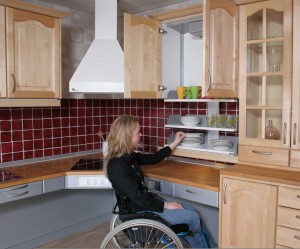
Kitchens have evolved because fewer cabinets are needed within the more open designs. Fewer wall cabinets are needed because of personal reach limitations. For those that are used, they can be installed at 14" above the base cabinet work top instead of the standard 18" spacing. The cabinet top is now lowered by two inches and installed at a universal 34" height. This makes a net 6 inch lower installation height for the bottom of the wall cabinet. All types of cabinet inserts like pull out shelves and specialized drawers are now available for installation in both base and wall cabinets. These devices will certainly help solve the reach problem. Base cabinet kick spaces can be raised to 9" and deepened instead of the standard 4" to accommodate wheelchair access. Knee spaces can be incorporated into the design for roll under access at the sink, prep area, and cook top.
The lack of bending motion and decreasing reach distances is changing the way we purchase and install appliances at comfortable heights. Placing dishwashers higher by a few inches to limit bending has become a reachable fad and the new height is changing the old look of our kitchens. Refrigerator drawers, dishwasher drawers, and double ovens that are no longer stacked are just a few changes within the present day appliance marketplace. Cooking ranges with the controls located on the front represents another metamorphosis helping with reach problems. Microwaves can be installed on the now lowered 34" height counter top or within the lowered base cabinet according to the consumers need for adequate reach.
The lack of doors represents a change in the cabinet market. The new open look lets homeowners access what is stored within the cabinet without an open door blocking their clear path for approach. No matter in what manner the doors are hung they always interfere with accessibility. The open cabinet look is seen in both the bath and kitchen.

The National Association of Home Builders, in partnership with the AARP and Home Innovation Research Labs, created the CAPS program, which includes training and education on the technical, business management and customer service skills essential to compete in the fastest growing segment of the residential remodeling industry--home modifications for aging in place and ADA accessibility in Austin, Texas. David L. Traut, CAPS the owner of T-Square Company in Austin, Texas is one of the select group of professionals nationwide to earn the Certified Aging-In-Place Specialist (CAPS) designation, identifying him as a home remodeler and builder with the skills and knowledge necessary to remodel or modify a home to meet the unique needs of the older population, disabled owners, or their visitors.
Finding a contractor familiar with the guidelines of accessibility can be quite difficult. Be sure to check out the credentials of any potential bidders you contact. Be sure they understand that the alterations you are seeking are for wheel chair accessible home remodeling and modifications. Furthermore be sure this person knows and practices both the federal and most importantly your state's requirements before entering into any contract.
Aging in place services are available through T-Square Company. We are a certified aging in place specialist. Each design/build situation will be customized to fit your personal needs. Call 512-444-0097 today to begin the accessible second chapter of your life while remaining safe and secure in your existing home. CAPS #1636580
Tags:
fine kitchen upgrades,
kitchen remodeling,
kitchen makeovers,
kitchen remodeling ideas,
kitchen remodel ideas,
Remodel kitchen,
kitchen cabinets Austin Texas,
kitchen remodeling in Austin Texas,
kitchen remodeling costs,
remodled kitchens,
kitchen remodels austin,
kitchen remodel cost,
home improvements Austin,,
house remodeling Austin,
residential remodeling company in Austin, Texas,
artistic kitchen upgrades Austin, Texas,
fine cabinetry in Austin,,
house remodeling Austin, Texas
No matter how old you are you should periodically evaluate your residence to determine whether it suits you not just for the present but the future. Your home assessments will be rethought every time your living situation changes. Whether childproofing for a newborn, making a home more accessible following a sickness or unfortunate accident to someone in the family, or making a toilet area safer for an aging residing parent, there will be an immediate evolution to your primary domicile. These same life span design features are even more important if you believe you're past the age of wanting to move and are relishing the thought of aging in your own home, no matter what physical limitations you might later develop. Incorporating smart aging design concepts into a home's elder design will attract a larger group of buyers when you decide to finally sell your home.
Disability is a complex phenomenon representing an interaction between one's physical impairments, the activities they need to perform, and the architectural barriers within the space in which this situation occurs. The terminology and jargon used for disabilities evolves regularly whereas, "handicapped" is no longer acceptable. It is no longer merely a description of intellectual or physical impairments. Each individual with similar impairments describes his or her limitations differently. The blind don't experience their world the same as a person with deafness and so on. Physically challenged has become the more socially accepted description of a person with an impairment.

Physical limitations affect many more people than the daily users of walkers and wheelchairs. Many members of our society experience a need for elder construction having significant problems in dealing with their home environment. Today's conventional building standards conflict with most people's accessibility when you consider our created architectural barriers concerning cabinetry and door opening widths, individual strength, range of motion, movement, manual dexterity, balance, and coordination. Once the demands of our built environment exceed their capacities we become excluded from a room or even the entire home. The building world must work in unison to be sure the entire living environment meets basic needs in addition to affordability and structural integrity for the consumer and home owner. This includes both the home and the components within the home being accessible to all inhabitants. Privacy, sense of belonging, sense of control, and the sense of safety and security make up the quality of life for any home and should be considered for any design.
When mobility becomes an issue for any homeowner, regardless of age, the question arises concerning physically moving to a different home with a bath that is more accessible. Austin handicap remodeling can help in preparing for one of those highly likely events involving someone in your home needing room modifications for even a short time while recovering from surgery is surely a smart move. Solving aging in place issues will soon become the number one challenge concerning the present obsolete housing inventory in our country. Our present day obsolete homes now inhabited by the baby boomer generation will slowly and increasingly raise their outdated and obsolete ugly heads and expose their true lack of accessibility to those very people inhabiting them. The situation will only become ever more expanding in time. When these homes were previously purchased, they represented an absolute castle in the world of their owners in which to prepare for a day and they also acted as a retreat from life's tough interactions. They housed our families, our memories, and our stuff. They represented a place where we could be ourselves. Our homes have always been exempt from any and all of the accessibility regulations that have been put in place since 1968 when our Viet Nam veterans were returning home. The new evolving concept known as Universal Design for home remodeling is catching on nation wide and has been for several years as a sign of the times. Universal design techniques used in building makes a home more accessible to all regardless of their mobility or adaptive abilities. An evolution of new products used for disability home modifications is making those homes more accessible and has finally come about in the remodeling industry. These new advances in accessible home remodeling in Austin not only keep the living environments safer but will not compromise the home's aesthetics. In fact, there are many benefits to using universal design techniques, including potential use by aging family members, added resale value, and the fact that you'll be creating a space that can be used by anyone who visits your home, regardless of their range of abilities. Simple universal design updates for aging in place home modifications and handicap accessibility can include adding grab bars or handrails throughout the home, adding a seat within the roll in shower, lowering upper cabinets and counter tops, adding non-slip flooring, widening hallways or installing stair lifts, and widening doors. You might also consider lowering light switches and thermostats and installing easier to use door knobs. You should try to provide a clear barrier free path or accessible route to the most visited areas of your home as recommended by the ADA.

There are really three categories of aging in place customers. Those who are simply and wisely planning ahead for their futures to remain in their present homes. The second category concerns those people who know they have a chronic medical disorder and need to prepare in advance for accessibility issues which will come as a result of their disease. People with diseases that are constantly causing increased physical or mental changes to their being are a good representative of this second group. The third group involves those people who either have had a chronic problem that has progressed severely altering their mobility or those who have sustained a life altering tragedy such as being involved in an accident. All of these groups will drive the future metamorphosis of existing inaccessible dwellings. The goal of an accessible bathroom design in Austin is to make the bathroom a safe space for everyone who uses the facilities. Aging in place services use universal design to accommodate wheelchair use and can make the bathroom more comfortable for all generations with or without specific needs. It is important to carefully outline the scope of work during the remodeling of an accessible bathroom by first taking inventory of the users capabilities, needs, and preferences. All disability home remodeling or disability bath remodels in Austin must be done considering all the data provided by the client, his or her family, and any caretakers involved. Aging in place design must be carried out by an aging in place specialist who is also a reputable residential remodeling professional.
The National Association of Home Builders, in partnership with the AARP and Home Innovation Research Labs, created the CAPS program, which includes training and education on the technical, business management and customer service skills essential to compete in the fastest growing segment of the residential remodeling industry--home modifications for aging in place and ADA accessibility in Austin, Texas. David L. Traut, CAPS the owner of T-Square Company in Austin, Texas is one of the select group of professionals nationwide to earn the Certified Aging-In-Place Specialist (CAPS) designation, identifying him as a home remodeler and builder with the skills and knowledge necessary to remodel or modify a home to meet the unique needs of the older population, disabled owners, or their visitors.

Tags:
ADA accessible,
aging in place home modifications,
wheelchair accessible remodeling,
handicap home modifications,
CAPS certified remodeling in Austin,
disability bathroom remodels,
accessibility home remodeling in Austin,
accessible home remodeling,
Austin bathroom remodel,
disability home remodeling in Austin,
disability bathroom remodeling in Austin,
aging in place services,
aging in place design,,
elder construction,
certified aging in place specialist,
handicap remodeling contractors in Austin,
disability home modifications in Austin,
Austin elder construction,
Austin Texas kitchen remodel,
handicap home modifications for disabled,
disability home modifications,
accessibility remodelers in Austin,
ADA remodeling Austin, Texas,
ADA bathroom Austin, Texas,
wheelchair accessible showers in Austin,,
accessibility designs Austin Texas,
disability remodeling in Austin
A traditional home builder or remodeling contractor has never truly considered the special needs of the disabled or aging within any home design. Unfortunately the design emphasis is always put on aesthetics and takes for granted everyone's mobility. There certainly are no guarantees or clauses within any home's sales contract that will prevent our future personal life experiences from introducing us to at least a temporary disability. Accidents will always happen and you could find yourself having to utilize a wheelchair or walker to facilitate your independence for mobility. Limitations in our mobility or constantly changing needs experienced by both the disabled and the elderly have sprung a new dimension in construction known as ADA remodeling to accomplish increased accessibility like roll in showers. Our homes have always been exempt from any and all of the accessibility regulations that have been put in place since 1968 when our Viet Nam veterans were returning home. The new evolving concept known as Universal Design for home remodeling is catching on nation wide and has been for several years as a sign of the times. Universal design techniques used in building makes a home more accessible to all regardless of their mobility or adaptive abilities. An evolution of new products used for disability access baths and home modifications are making those homes more accessible and has finally come about in the remodeling industry. These new advances in accessible home remodeling in Austin not only keep the living environments safer but will not compromise the home's aesthetics.
Designing for specific physical conditions concerning elder construction will lessen the impact of say arthritis, restricted mobility, or loss of vision by using combinations of products, concepts, and techniques available today. Working as a team, a trained CAPS specialist along with any family caretakers or therapists is able to identify the day to day problems weighing on those with health limitations. If you are considering an aging in place remodel for your home don't just contact any local remodeler in your area and expect a satisfactory accessible home modification. A professional design/build accessibility project can only be created for your specific needs by a qualified home remodeler having a nationally accepted CAPS (Certified Aging In Place Specialist) certification. This credential is backed by the NAHB. Only a CAPS home remodeler possesses the specific knowledge that will insure a successful outcome for your accessibility or aging in place project and what's more, keep you in your home longer.
Many people find themselves needing accessible homes for themselves or family members. There are approximately 30 million Americans using wheelchairs and the number of people who need accessible homes will continue to increase as disabled and aging people are finding more ways to remain living in their homes. One important way to increase independent living is making a home accessible to an individuals personal needs. Universal design ideas and home modifications can increase safety, accessibility, and independence for people who want to live independently.
The National Association of Home Builders, in partnership with the AARP and Home Innovation Research Labs, created the CAPS program, which includes training and education on the technical, business management and customer service skills essential to compete in the fastest growing segment of the residential remodeling industry--home modifications for aging in place and ADA accessibility in Austin, Texas. David L. Traut, CAPS the owner of T-Square Company in Austin, Texas is one of the select group of professionals nationwide to earn the Certified Aging-In-Place Specialist (CAPS) designation, identifying him as a home remodeler and builder with the skills and knowledge necessary to remodel or modify a home to meet the unique needs of the older population, disabled owners, or their visitors.
Kitchens have evolved because fewer cabinets are needed within the more open designs. Fewer wall cabinets are needed because of personal reach limitations in a wheelchair accessible kitchen. For those that are used, they can be installed at 14" above the base cabinet work top instead of the standard 18" spacing. The cabinet top is now lowered by two inches and installed at a universal 34" height. This makes a net 6 inch lower installation height for the bottom of the wall cabinet. All types of cabinet inserts like pull out shelves and specialized drawers are now available for installation in both base and wall cabinets. These devices will certainly help solve the reach problem. Base cabinet kick spaces can be raised to 9" and deepened instead of the standard 4" to accommodate wheelchair access. Knee spaces can be incorporated into the design for roll under access at the sink, prep area, and cook top.
The lack of bending motion and decreasing reach distances is changing the way we purchase and install appliances at comfortable heights. Placing dishwashers higher by a few inches to limit bending has become a reachable fad and the new height is changing the old look of our kitchens. Refrigerator drawers, dishwasher drawers, and double ovens that are no longer stacked are just a few changes within the present day appliance marketplace. Cooking ranges with the controls located on the front represents another metamorphosis helping with reach problems. Microwaves can be installed on the now lowered 34" height counter top or within the lowered base cabinet according to the consumers need for adequate reach.

The lack of doors represents a change in the cabinet market. The new open look lets homeowners access what is stored within the cabinet without an open door blocking their clear path for approach. No matter in what manner the doors are hung they always interfere with accessibility. The open cabinet look is seen in both the bath and kitchen.
Accessible bathrooms today contain stylish ADA compatible vanities set at a universal height of 34 inches with clear knee spaces. The sink faucets are easily controlled by either wrist handles or levers. Toilets are available in comfort heights eliminating the deep knee bend needed for seating. Toilet seats are available with a heat feature and some have the ability to self close or have a night light. Curb-less roll in showers are advised for everyone involved in disability access baths. The shower should contain at least a shower wand on a sliding bar for varying heights of use along with a regular shower head and control if desired. Folding seats are useful if caretakers are ever involved. A low profile or roll in shower base will provide wheelchair or walker access. Grab bars around the bath and especially in the shower should be used while non slip floor covering should always be considered.
For additional information about the CAPS program, visit nahb.org/CAPS. For more information about T-Square Company or remodeling for a disability, visit www.tsquareco.com or call 512-444-0097.

Tags:
ADA compliant kitchen cabinets,
ADA accessible,
CAPS certified remodeling in Austin,
ADA bathroom cabinets,
ADA compliance,
disability bathroom remodels,
handicap accessible bathrooms,
accessibility home remodeling in Austin,
Universal Design,,
disability home remodeling in Austin,
disability bathroom remodeling in Austin,
aging in place specialist,
aging in place services,
aging in place design,,
disability home modifications in Austin,
Austin elder construction,
handicap accessibility,
handicap remodeling contractors,
disability home modifications,
accessibility remodelers in Austin,
handicap bathrooms,
disability remodeling in Austin
Problems encountered while accessing your home when you are wheelchair bound generally begin before or at the front door. If you can reach the front porch approach without obstruction then you have a great start since the stairs leading onto the front porch can be another matter all together. A correctly designed ramp having a 1:12 slope can adequately solve this problem. The use of grab bars and any railings will be dictated by the ramp's design and the regulations and physical limitations involved. Once your safely upon the porch, your home's front door width can become an issue. Any entry door less than three feet in width will cause a problem in maintaining a required 32 inch clear entry way which starts the new accessible route within your home. Rolling over any vertical threshold height greater than 1/2" is also difficult to maneuver. Once inside the structure a new set of problems concerning your accessibility will be discovered.
A traditional home builder has never truly considered the special needs of the disabled or aging within any home design. Unfortunately the design emphasis is always put on aesthetics and takes for granted everyone's mobility. There certainly are no guarantees or clauses within any home's sales contract that will prevent our future personal life experiences from introducing us to at least a temporary disability. Accidents will always happen and you could find yourself having to utilize a wheelchair or walker to facilitate your independence for mobility. Limitations in our mobility or constantly changing needs experienced by both the disabled and the elderly have sprung a new dimension in construction known as ADA remodeling to accomplish increased accessibility. Our homes have always been exempt from any and all of the accessibility regulations that have been put in place since 1968 when our Viet Nam veterans were returning home. The new evolving concept known as Universal Design for home remodeling is catching on nation wide and has been for several years as a sign of the times. Universal design techniques used in building makes a home more accessible to all regardless of their mobility or adaptive abilities. An evolution of new products used for disability home modifications is making those homes more accessible and has finally come about in the remodeling industry. These new advances in accessible home remodeling in Austin not only keep the living environments safer but will not compromise the home's aesthetics.
An accessible bathroom for the user's convenience and safety becomes the first issue for anyone using a wheelchair or walker for either a short time while recovering or for the rest of their life. The disability access bathroom will be located within the home's accessible route. Any architectural barriers encountered while approaching the bathroom entrance will need to be removed. The minimum clear widths have to be observed. This will include the bathroom door itself. Twenty four to twenty eight inch wide doors are commonly used during the construction of American homes for accessing the bathroom. However, anything below three feet does not meet the 32 inch required clear width needed for clearance of a wheelchair. This work may involve framing alterations and moving light switches. The electrical changes should be done by a licensed electrician assuring your safety.
A completely serviceable special needs bathroom must contain at least one ADA vanity and the accessible route must be defined. The vanity must be one with a clear underneath scald protected area having an unobstructed roll under capability for wheelchairs. These new residential vanities do not need to look institutional. They can be designed like any other piece of fine furniture. A five foot turning radius allowing the wheelchair to maneuver into any approach must also be associated with the ADA vanity. A 36x48" clear approach area to the vanity must be observed and this can overlap the five foot turning radius. The area of travel will then be enhanced by an unobstructed clear accessible barrier free route dedicated to reaching the vanity.
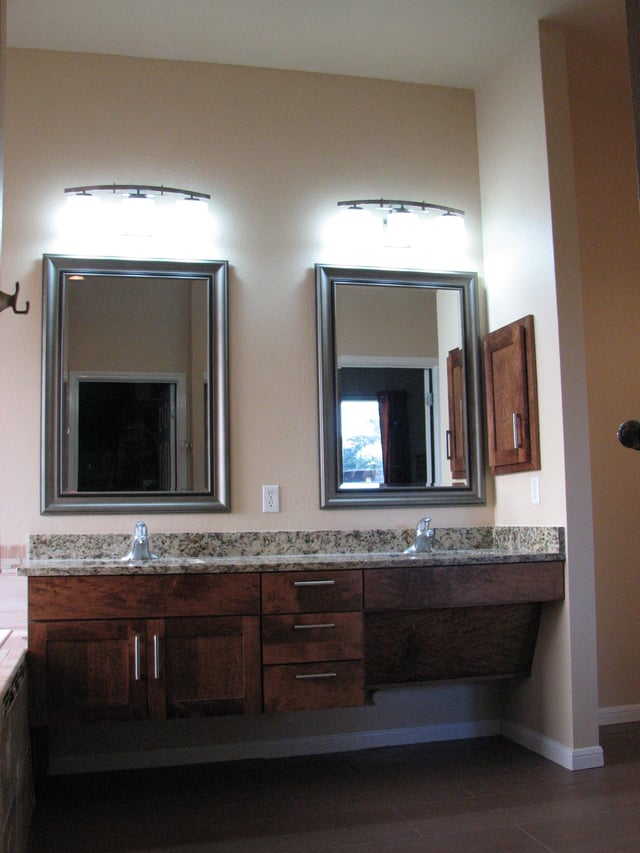
Bathroom cabinets in Austin vary by style and usability. There are basically two styles of ADA bathroom vanities that comply with an unobstructed 27" tall roll under area below the sink. ADA sinks with a rear drain location provide for better plumbing drain hook ups. This modification has everything to do with both the water supply lines and the waste line connecting the sink. There must be provisions made to protect the user from being scalded when coming into contact with any one of the plumbing pipes serving the sink. These connecting pipes may become heated merely by the water passing through them creating the problem. The open type model should always receive both waste and supply insulating jackets applied directly to the pipes providing protection for the wheelchair user. The closed model concealing the pipes will be equipped with a removable face or face board covering the pipes. This pipe concealing panel must be installed at the correct wheelchair user clearance angle. This allows for the needed unobstructed legroom required for the user. The vanity can extend beyond the sink but the area containing the sink is required to have this roll under capability. This section of the vanity top must not be any taller than 34 inches above the finished floor with sufficient lower leg clearance. Clear unobstructed reach distances around the counter top area must be observed. Any motion controlled sensors integrated into the various dispensing devices and/or plumbing fixtures throughout the restroom present a true hands free benefit to all the restroom users. If these aren't in the budget then at least wrist handles used for controlling the faucet can be incorporated into the design of the vanity. Furthermore, automatic flush valves should be used on all toilets and urinals that provide for hands free use.


Finding a contractor familiar with the guidelines of accessibility can be quite difficult. Be sure to check out the credentials of any potential bidders you contact. Be sure they understand that the alterations you are seeking are for wheel chair accessible home remodeling and modifications. Furthermore be sure this person knows and practices both the federal and most importantly your state's requirements before entering into any contract.
Aging in place home modifications are available through T-Square Company. We are a certified aging in place specialist. Each design/build situation will be customized to fit your personal needs. Call 512-444-0097 today to begin the accessible second chapter of your life while remaining safe and secure in your existing home. CAPS #1636580
Let's face it, accessible homes are needed by all of us at some time in our lives. This is true whether it's for ourselves, a family member, or a guest. The need is certainly not driven by age but is a result of life's experience. Any family living with disability among any of the generations within it's group can always benefit from additional accessibility. This will in turn increase safety and independence for all involved as they go through life.
Tags:
ADA accessible,
ADA bathroom cabinets accessible routes,
barrier free access,
aging in place home modifications,
ADA remodeling,
CAPS certified remodeling in Austin,
ADA bathroom cabinets,
ADA compliance,
disability bathroom remodels,
handicap accessible bathrooms,
aging in place designs,
CAPS professional in Austin,
accessible home remodeling,
Universal Design,,
Austin bath remodeling,
Austin bath remodel,,
Austin bathroom remodel,
disability home remodeling in Austin,
aging in place specialist,
aging in place services,
aging in place design,,
elder construction,
Austin elder construction,
handicap accessibility,
disability home modifications,
accessibility remodelers in Austin,
ADA remodeling Austin, Texas
Designing for specific physical conditions during a handicap retrofit will lessen the impact of say arthritis, restricted mobility, or loss of vision by using combinations of products, concepts, and techniques available today. Working as a team, a trained CAPS specialist along with any family caretakers or therapists is able to identify the day to day problems weighing on those with health limitations. If you are considering an aging in place remodel for your home don't just contact any local remodeler in your area and expect a satisfactory accessible home modification. A professional design/build accessibility project can only be created for your specific needs by a qualified home remodeler having a nationally accepted CAPS (Certified Aging In Place Specialist) certification. This credential is backed by the NAHB. Only a CAPS home remodeler possesses the specific knowledge that will insure a successful outcome for your accessibility or aging in place project and what's more, keep you in your home longer.

Disability is a complex phenomenon representing an interaction between one's physical impairments, the activities they need to perform, and the architectural barriers within the space in which this situation occurs. The terminology and jargon used for disabilities evolves regularly whereas, "handicapped" is no longer acceptable. It is no longer merely a description of intellectual or physical impairments. Each individual with similar impairments describes his or her limitations differently. The blind don't experience their world the same as a person with deafness and so on. Physically challenged has become the more socially accepted description of a person with an impairment.
Physical limitations affect many more people than the daily users of walkers and wheelchairs. Many members of our life experienced or elder society have significant problems in dealing with their home environment. Today's conventional building standards conflict with most people's accessibility when you consider our created architectural barriers concerning cabinetry and door opening widths, individual strength, range of motion, movement, manual dexterity, balance, and coordination . Once the demands of our built environment exceed their capacities we become excluded from a room or even the entire home. The building world must work in unison to be sure the entire living environment meets basic needs in addition to affordability and structural integrity for the consumer and home owner. This includes both the home and the components within the home being accessible to all inhabitants. Privacy, sense of belonging, sense of control, and the sense of safety and security make up the quality of life for any home and should be considered for any accessibility design.
Wheelchair accessible bathrooms today contain stylish vanities set at a universal height of 34 inches with clear knee spaces. Plan on 27 inches of vertical clearance for a wheelchair. The sink faucets must be easily controlled by either wrist handles or levers. The faucets can be fitted on the side of the sink to make them easier to reach. Or install infra-red faucets that detect motion. Hang the mirror low enough for a seated person to see themselves, and tip the top of the mirror out. bathroom vanities with universal height cabinet tops and open knee spaces are taking over the marketplace. These new residential vanities do not need to look institutional even though they are wheelchair accessible. They can be designed like any other piece of fine furniture. Scalding must be guarded against by using either insulating pipe wrap or a removable panel for the plumbing.
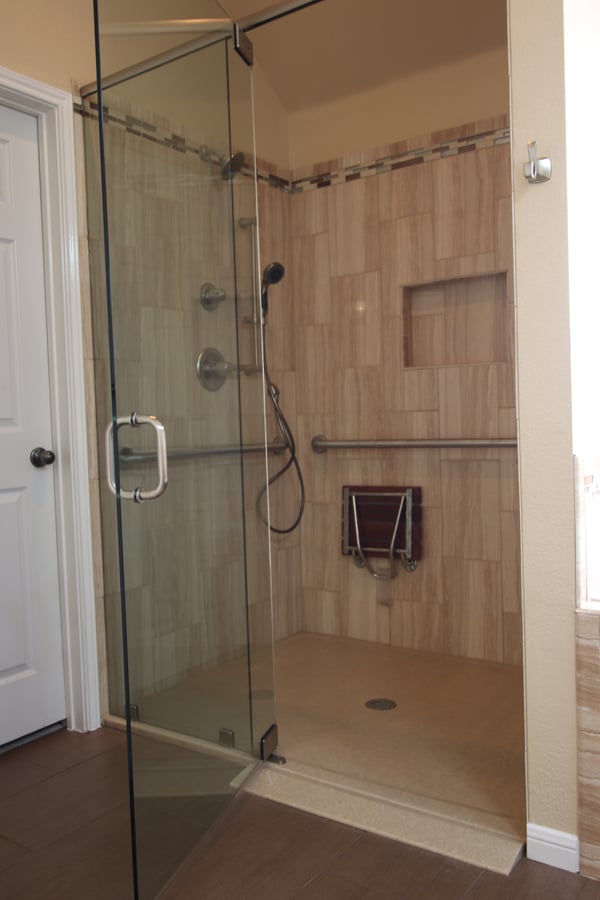
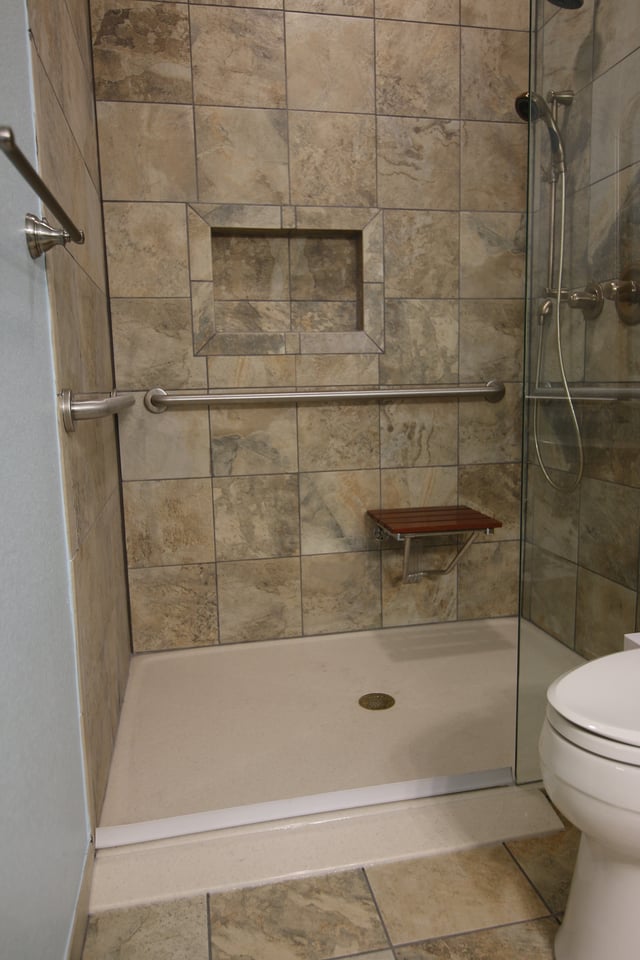
The threshold is the most dangerous component for any ADA compatible shower. Not only is it impossible to overcome in a wheelchair but it isn't safe for those who are vision impaired or those with mobility issues. Curbless roll in showers that are 5 feet wide and 3 feet deep having a 36" clear entrance are advised for everyone. Low threshold shower bases with add on ramps can solve the shower entry problem when the floor cannot be lowered to form a true contoured roll in slope. The accessible shower should contain at least a shower wand on a sliding bar for varying heights of use along with a regular shower head and control if desired. Installing fixtures with a scald guard or lowering the temperature at the water heater is a must to prevent burns. Install the slider bar for the hand held shower hose and head 4 feet off the floor so that the head can slide up to 6 feet high. Always use a shower valve installed below or at 48" from the finished floor that is thermostatically controlled and pressure-balanced to prevent scalds. If you desire a full body wash, you can include a regular shower head as well. Always choose fixtures and fittings that are easy to control with a single hand motion or a closed fist. Motion controlled sensor fixtures are also a possibility when specifying fixtures and finishes. Built-in shower seats provide comfort and safety but can sometimes get in the way of accessibility. Folding seats are an option in the shower and are useful if caretakers are ever involved or a shower chair is ever required. These seats are much safer than a free standing shower seat which can collapse and cause a fall. Recessed shampoo niches located 48" above the floor help keep shower floors or seats free of trip hazards. Grab bars around the bath and especially on each wall in the shower installed at 34-36" above the floor should be used. All grab bars must be secured into either adequate wood blocking or existing wall studs so they can hold at least 250 pounds of downward force. Non slip floor covering should always be considered with a 0.5 friction coefficient rating. Enclosures can vary by the accessibility needed by all and can be everything from an out-swinging frame-less door to just a simple glass splash panel or even a curtain on a curved rod. Walk in tubs are also a consideration but some people get chilled while the tub is draining.
Austin handicap remodeling, aging in place home modifications, and ADA Accessible kitchens are available through T-Square Company. Each design/build handicap accessibility situation will be customized to fit your personal needs. Call 512-444-0097 today to begin the accessible second chapter of your life while remaining safe and secure in your existing home. CAPS 1636580
Tags:
ADA accessible,
aging in place home modifications,
handicap home modifications,
fine bathroom upgrades,
ADA remodeling,
CAPS certified remodeling in Austin,
disability bathroom remodels,
handicap accessible bathrooms,
accessibility home remodeling in Austin,
Austin bathroom remodeling,
aging in place specialist,
aging in place services,
aging in place design,,
elder construction,
handicap remodeling contractors in Austin,
disability home modifications in Austin,
Austin elder construction,
handicap accessibility,
home remodeling Austin, Texas,
ADA bathroom Austin, Texas,
accessibility designs Austin Texas,
disability access bathrooms Austin
Disability is a complex phenomenon representing an interaction between one's physical impairments, the activities they need to perform, and the architectural barriers within the space in which this situation occurs. The terminology and jargon used for disabilities evolves regularly whereas, "handicapped" is no longer acceptable. It is no longer merely a description of intellectual or physical impairments. Each individual with similar impairments describes his or her limitations differently. The blind don't experience their world the same as a person with deafness and so on. Physically challenged has become the more socially accepted description of a person with an impairment.
Physical limitations affect many more people than the daily users of walkers and wheelchairs. Many members of our life experienced or elder society have significant problems in dealing with their home environment. Today's conventional building standards conflict with most people's accessibility when you consider our created architectural barriers concerning cabinetry and door opening widths, individual strength, range of motion, movement, manual dexterity, balance, and coordination . This has brought about the need for handicap bathrooms. Once the demands of our built environment exceed their capacities we become excluded from a room or even the entire home. The building world must work in unison to be sure the entire living environment meets basic needs in addition to affordability and structural integrity for the consumer and home owner. Austin handicap remodeling is imperative considering bathroom remodeling includes both the home and the components within the home being accessible to all inhabitants. Privacy, sense of belonging, sense of control, and the sense of safety and security make up the quality of life for any home and should be considered for any design.
Designing for specific physical conditions will lessen the impact of say arthritis, restricted mobility, or loss of vision by using a combinations of products, concepts, and techniques. A trained CAPS specialist is able to identify the day to day problems weighing on those with health limitations. If you are considering an aging in place remodel for your home don't just contact any local remodeler in your area and expect a satisfactory accessible home modification. A professional design/build accessibility project can only be created for your specific needs by a qualified home remodeler having a nationally accepted CAPS certification. This credential is backed by the NAHB. Only a CAPS home remodeler possesses the specific knowledge that will insure a successful outcome for your aging in place project and what's more, keep you in your home.
The costs involved for handicap home modifications in Austin are really dictated by the amount of barrier free accessibility required by the person needing the assistance to be safe. Comfort and safety for the home's inhabitants are key issues when designing an accessibility remodel. Most homeowners nationally spend between $3,800 and $14,000 with a mean average expense of $7,500. This cost again is based on the individual home modifications providing the greatest safety for those in need.
Falls and slips are among the most common causes causes of injury to senior and elderly people requiring disability access remodeling. Smooth surfaces in combination with wet areas make the bathroom one of the most dangerous areas within the home. It is of paramount importance that the bathroom be updated providing safety for any person with limited mobility or the elderly. If you are on a tight budget and can only afford a few modifications, the bathroom is the first place to begin an accessibility remodel. The most basic improvements to enhance safety issues are fairly inexpensive.
1. Vanity Sink Accessibility
Wheelchair Accessible bathrooms today contain stylish ADA vanities set at a universal height of 34 inches with clear knee spaces. Plan on 27 inches of vertical clearance for a wheelchair. The sink faucets must be easily controlled by either wrist handles or levers. The faucets can be fitted on the side of the sink to make them easier to reach. Or install infra-red faucets that detect motion. Hang the mirror low enough for a seated person to see themselves, and tip the top of the mirror out. Bathroom vanities with universal height cabinet tops and open knee spaces are taking over the marketplace. These new residential vanities do not need to look institutional. They can be designed like any other piece of fine furniture. Scalding must be guarded against by using either insulating pipe wrap or a removable panel for the plumbing.
2. Toilet Accessibility
Toilets are available in comfort heights eliminating the deep knee bend needed for seating. Grab bars should be installed on at least both sides of the toilet. Ideally, the toilet should be positioned between two support bars 36 inches apart. A toilet seat 17 inches off the floor is a more comfortable height for everyone. Creating a toilet within an open area and not a closet is much more accessible. Elevated or special toilet seats are available with a heat feature and some have the ability to self close or have a night light. A more expensive bidet/toilet is available but an add on bidet attachment to a regular toilet can be handy.
3. Bathing Facilities
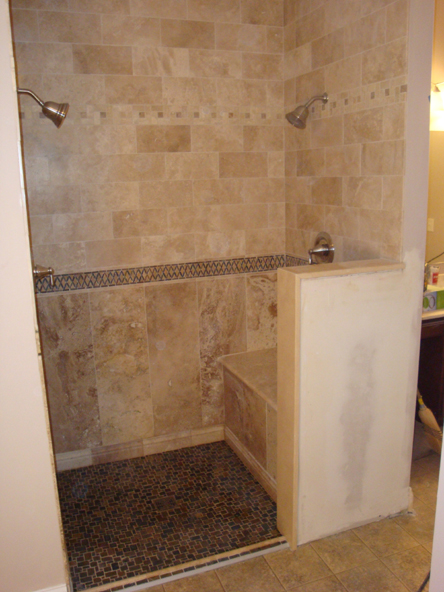
Curbless roll in showers that are 5 feet wide and 3 feet deep having a 36" clear entrance are advised for everyone. The shower should contain at least a shower wand on a sliding bar for varying heights of use along with a regular shower head and control if desired. Installing fixtures with a scald guard or lowering the temperature at the water heater is a must to prevent burns. Folding seats in the shower are useful if caretakers are ever involved and they are much safer than a free standing shower seat which can fall over. Grab bars around the bath and especially in the shower should be used while non slip floor covering should always be considered. Walk in tubs are also a consideration but some people get chilled while the tub is draining. Install the slider bar for the hand held shower hose and head 4 feet off the floor so that the head can slide up to 6 feet high. Always use a shower valve that is thermostatically controlled and pressure-balanced to prevent scalds. If you desire a full body wash, you can include a regular shower head as well.
4. Safety and Accessibility
Always choose fixtures and fittings that are easy to control with a single hand motion or a closed fist. Motion controlled sensor fixtures are also a possibility when specifying finishes. Provide easily accessible storage compartments with pull out shelving eliminating architectural barriers by not using doors on the cabinetry. Always consider the individual needs of the occupant and find the best placement of any reachable items within their reach distance of 24". Fully consider where the best access is for all accessories such as robe hooks, towel bars, paper dispensers, soap dishes, toothbrush holders, shower shelves. The distances and clearances required will be dictated by the user and not by an accepted general outline. With falls in the wet area of the bathroom being such a great concern, a non slip tile floor should be installed without placing loose rugs in the general area. All doors should have levers instead of door knobs. The Americans with Disabilities Act requires a 5-foot turning radius for a wheelchair. But if space is tight, remodelers may be able to make do with less. "(The 5-foor turning radius) may not always be needed, especially with an electric chair, which will easily turn in a tighter space.
5. Lighting
Natural lighting is always better for anyone using the bath. Adequate task lighting in the shower, dressing area, and vanity vicinity should be installed. Lowered switches at around 48" above the floor in reaching distance should control all the lighting. You can install switches with a push button or large toggle that doesn't require a pinching motion to turn on and off. Outlets that are ground protected should be installed at 18" above the floor.
Aging in place home modifications are available through T-Square Company. Each design/build situation will be customized to fit your personal needs. Call 512-444-0097 today to begin the accessible second chapter of your life while remaining safe and secure in your existing home. CAPS 1636580
Tags:
ADA accessible,
ADA bathroom cabinets accessible routes,
aging in place home modifications,
wheelchair accessible remodeling,
CAPS certified remodeling in Austin,
ADA compliance,
disability bathroom remodels,
accessible home remodeling,
Universal Design,,
Austin bath remodeling,
Austin bathroom remodeling,
aging in place design,,
disability home modifications in Austin,
Austin elder construction,
handicap remodeling contractors,
bathroom modifications for disabled,
home improvements Austin,,
accessibility remodelers in Austin,
ADA remodeling Austin, Texas,
ADA bathroom Austin, Texas,
roll in showers,
accessibility designs Austin Texas,
disability access bathrooms Austin
The ADA refers to the Americans With Disability Act developed in the 1990's to be sure any person with a disability has equal access to all public facilities and spaces. There are no restricted codes or regulations to increase accessibility for private residences concerning residential bathrooms or disability access baths. However, the published guidelines for ADA accessibility concerning public buildings and facilities is a great resource and starting point for ideas on how to make any home safer and easier to live in. Using the ADA guidelines, every design is customized around the end users abilities and body size. Homes can become more accessible through bathroom remodels to people as they age or become disabled from an accident or chronic disease. Many of these published guidelines for wheelchair accessible remodeling, particularly requirements for corridor and door widths, safety bars and proper access to different types of facilities can go a long way in extending the amount of time an elderly or physically impaired individual is able to live independently. This is the primary goal for ADA remodeling.
Many people suddenly find themselves needing accessible homes for themselves or family members. When mobility becomes an issue for any homeowner, regardless of age, the question arises concerning physically moving to a different home with a bathroom that is more accessible. Preparing for one of those highly likely events involving someone in your home needing room modifications for even a short time while recovering from surgery is surely a smart move and is the essence of proactively planning to Age in Place. Solving Aging in Place issues will soon become the number one challenge concerning the present obsolete housing inventory in our country plus the fact that people are living longer. The situation will only become ever more expanding in time.
When our homes were first purchased, they satisfied the particular family needs of the day. These homes represented an absolute castle in the world of their owners in which to prepare for a day and they also acted as a retreat from life's tough interactions. They housed our families, our memories, and our stuff. They represented a place where we could be ourselves. Then something happens in life changing those family needs. Unfortunately, these homes have always been exempt from any and all of the accessibility regulations mentioned by the ADA.
In fact, there are approximately 30 million Americans using wheelchairs and the number of people who need accessible homes will continue to increase as disabled and aging people are finding more ways to remain living in their homes. One important way to increase independent living is making a home accessible to an individuals personal needs. Home modifications can increase safety, accessibility, and independence for people who want to live independently. T-Square Company, building in Austin, Texas, incorporates the ADA rules in all their design/build projects, but in a customized manner. All disability home remodeling or disability bath remodels in Austin must be done considering all the data provided by the client, his or her family, and any caretakers involved. Aging in Place design should always be carried out by a seasoned Aging in Place specialist like T-Square Company.
The new evolving concept known as Universal Design and specialized handicap remodeling contractors for home remodeling is catching on nationwide and has been for several years as a sign of the times. Universal Design techniques used in building makes a home more accessible to all regardless of their mobility or adaptive abilities, and seamlessly segues into what is needed for Aging in Place. An evolution of new products used for disability home modifications is making homes more accessible and has finally come about in the remodeling industry. These new advances in accessible home remodeling not only keep the living environments safer but will not compromise the home's aesthetics. They blend into the existing home and do not appear institutional. Universal Design principles never call attention to the family member needing them the most. In fact, there are many benefits to using Universal Design techniques, including potential use by aging family members, added resale value, and the fact that you'll be creating a space that can be used by anyone who visits your home, regardless of their range of abilities. Simple Universal Design updates for Aging in Place home modifications and handicap bathroom accessibility can include adding grab bars or handrails throughout the home, adding a seat within the roll-in-shower, lowering upper cabinets and multiple height counter tops, adding non-slip flooring, widening hallways or installing stair lifts, and widening doors. You might also consider lowering light switches and thermostats and installing easier to use door knobs. You should provide a clear barrier-free path or accessible route to the most visited areas of your home as recommended by the ADA. People who are interested in Aging in Place home improvements are now looking for a level entry into their home along with the maneuverability that a more open floor plan having greater clear unobstructed floor space presents. They desire flat floors without transitions requiring steps or stairs to move around. Ramps having a correct 1:12 slope can be used to get them up to the level floor space at the exterior entries or the garage access. ADA compliant kitchen cabinets and ADA bathroom cabinets in handicap bathrooms will more than likely come into play to complete any accessible home remodeling project.
Most aging baby boomers prefer one-story homes in which to Age in Place and this has become a primary reason to relocate versus a remodel. They are looking for an accessible master suite and kitchen located on the same floor. However, some developments mandate building two-story homes. The above requirement can be easily met by placing the guest bedrooms and accompanying bath upstairs. If the master suite for any reason needs to be upstairs, closets can be stacked between floors to house a future elevator installation.

The National Association of Home Builders, in partnership with the AARP and Home Innovation Research Labs, created the CAPS program, which includes training and education on the technical, business management and customer service skills essential to compete in the fastest growing segment of the residential remodeling industry--home modifications for Aging in Place and ADA accessibility in Austin, Texas. David L. Traut, CAPS the owner and president of T-Square Company in Austin, Texas is one of the select group of professionals nationwide to earn the Certified Aging in Place Specialist (CAPS) designation, identifying him as a home remodeler and builder with the skills and knowledge necessary to remodel or modify a home to meet the unique needs of the older population, disabled owners, or their visitors. Additionally, he is certified in Universal Design in the United States and Australia. David has recently published a book called "Age in Place at Home: Adapting the Home Environment For All Generations". The book explains the importance of Universal Design in building and is available through Amazon.
Tags:
ADA accessible,
accessible routes,
ADA bathroom cabinets accessible routes,
barrier free access,
aging in place remodeling,
aging in place home modifications,
aging in place,
ADA remodeling,
ADA compliance,
disability bathroom remodels,
accessibility home remodeling in Austin,
CAPS professional in Austin,
CAPS certification holder in Austin,
accessible home remodeling,
CAPS remodeling techniques,
Universal Design,,
Austin bathroom remodel,
disability home remodeling in Austin,
bathroom modifications for elderly,
aging in place specialist,
aging in place services,
aging in place design,,
elder construction,
certified aging in place specialist,
disability home modifications in Austin,
Austin elder construction,
handicap home modifications for disabled,
handicap accessibility,
bathroom modifications for disabled,
bathroom accessibility remodels in Austin,
accessibility remodelers in Austin,
ADA bathroom Austin, Texas,
accessibility designs Austin Texas,
handicap bathrooms,
ADA Austin
Austin bathroom remodels incorporating universal design techniques not only solve aging in place issues but increase accessibility to all. In today's multi-generation living environments there are participants of many ages and multiple sizes. Another major difference in these special families is function and dexterity. Sooner or later the home we have always known can become uninhabitable as our lives become an obstacle course. Why not make a new remodel as accessible to your father as it is to your young son during a bathroom remodel. If you are fortunate to have multiple baths within your home you might consider making one of them accessible to all people.
Human problems must also be solved using correct designs. Aging in place has stemmed from people who have become seriously injured, people living with a debilitating disease, people with sensory limitations or intellectual limitations, and last but not least the people who are planning to stay in their homes for as long as possible all need accessible homes in Austin. The need for dealing with disabilities empowers us all to ensure that we create environments wherein people can function effectively. This situation does not come along at any particular age or warning signs in our lives.
The concept of the accessible home has evolved beyond the basic grab bars and ramps to one in which accessibility is built into the basic design. Universal design makes living in a home easier for people of all ages and abilities. Accessible can be both beautiful and functional and never needs to have any institutional appearance. As our aging baby boomer population ages, the need for accessibility in the home is becoming ever more important. This new way of viewing the basic home in our society and our antiquated architecture is giving way to a revolution in home design. Ordinary homeowners with extraordinary challenges can partner up with CAPS certified design professionals, architects, and their own families to create homes to restore capabilities, independence, and grace to daily living.
A desire for a more marketable home that is more inviting and accessible to all in Austin's home buyer market will drive the use of universal design criteria. Making a home feel more comfortable using some key elements like incorporating a zero step entrance into the home, providing interior doors along the accessible route with a minimum of 32 inch wide clearances, having a minimum 36 inch wide level route on the ground floor, exhibiting ground floor bathroom walls reinforced to accept grab bars for the toilet, tub, and shower, and a presence of light switches, outlet, thermostats, and other controls being installed at accessible heights are only a few modifications needed for increasing accessibility. Austin bathroom remodeling needs to take on the character and overall look of the existing home. Economic situations along with personal preference dictates where we have choosen to live in Austin or the surrounding area.
Living with a dysfunctional bathroom layout reduces the total feeling of relaxation your bath is capable of providing. During those much deserved private moments you long for your bathroom's surroundings to provide both luxury and function. There isn't adequate lighting for the many daily personal duties like applying makeup. There needs to be adequate ventilation so you don't always feel as though you are housed in a "sweat box" while getting dressed. The outdated plate mirror extending from your vanity top's splash upward toward the drywall furrdown above has never been a design you thank the world of. You have always disliked that box above housing the poorly lit fluorescent tube lamps concealed by the yellowing plastic fluorescent light diffusing panel. You are sick and tired of the poor storage facilities inherited when you purchased your home. The height of the vanity is out of line according to your needs and it is also inadequate for your storage needs. The existing cabinet layout contains unusable drawers beginning to come off their tracks and the cabinet doors have their own particular issues. Your cabinets are either too deep to access what they contain or their storage capabilities have been limited by their total improper design. What were those guys thinking? What's more the out of fashion ceramic tiles are either partly missing or they are totally the wrong color for the day along with the colors within the rest of the room. Having improperly working plumbing fixtures that are now also antiquated with their own set of problems is yet another quandary within itself. The fixtures themselves can also be finished in a color that is long out of style. So what do you do?
The Top Five Items To Include When Considering An Accessible Bathroom Design
1. Vanity Sink Accessibility
Wheelchair Accessible bathrooms today contain stylish vanities set at a universal height of 34 inches with clear knee spaces. The sink faucets must be easily controlled by either wrist handles or levers. Bathroom vanities with universal height cabinet tops and open knee spaces are taking over the marketplace. These new residential vanities do not need to look institutional. They can be designed like any other piece of fine furniture. Scalding must be guarded against by using either insulating pipe wrap or a removable panel for the plumbing.
2. Toilet Accessibility
Toilets are available in comfort heights eliminating the deep knee bend needed for seating. Grab bars should be installed on at least both sides of the toilet. Creating a toilet within an open area and not a closet is much more accessible. Toilet seats are available with a heat feature and some have the ability to self close or have a night light.
3. Bathing Facilities
Curbless roll in showers with a 36" clear entrance are advised for everyone. The shower should contain at least a shower wand on a sliding bar for varying heights of use along with a regular shower head and control if desired. Installing fixtures with a scald guard or lowering the temperature at the water heater is a must to prevent burns. Folding seats in the shower are useful if caretakers are ever involved. Grab bars around the bath and especially in the shower should be used while non slip floor covering should always be considered. Walk in tubs are also a consideration but some people get chilled while the tub is draining.
4. Safety and Accessibility
Always choose fixtures and fittings that are easy to control with a single hand motion or a closed fist. Motion controlled sensor fixtures are also a possibility when specifying finishes. Provide easily accessible storage compartments with pull out shelving eliminating architectural barriers by not using doors on the cabinetry. Always consider the individual needs of the occupant and find the best placement of any reachable items within their reach distance of 24". Fully consider where the best access is for all accessories such as robe hooks, towel bars, paper dispensers, soap dishes, toothbrush holders, shower shelves. The distances and clearances required will be dictated by the user and not by an accepted general outline. With falls in the wet area of the bathroom being such a great concern, a non slip tile floor should be installed without placing loose rugs in the general area.
5. Lighting
Natural lighting is always better for anyone using the bath. Adequate task lighting in the shower, dressing area, and vanity vicinity should be installed. Lowered switches at around 48" above the floor in reaching distance should control all the lighting. Outlets that are ground protected should be installed at 18" above the floor.
There are really three categories of aging in place customers. Those who are simply and wisely planning ahead for their futures to remain in their present homes. The second category concerns those people who know they have a chronic medical disorder and need to prepare in advance for accessibility issues which will come as a result of their disease. People with diseases that are constantly causing increased physical or mental changes to their being are a good representative of this second group. The third group involves those people who either have had a chronic problem that has progressed severely altering their mobility or those who have sustained a life altering tragedy such as being involved in an accident. All of these groups will drive the future metamorphosis of existing inaccessible dwellings. Remember that the new design does not to look institutional if it is done with taste and experience.
Aging in place home modifications are available through T-Square Company. Each design/build situation will be customized to fit your personal needs. Call 512-444-0097 today to begin the accessible second chapter of your life while remaining safe and secure in your existing home. CAPS 1636580

I tell my customers all the time that one of their main ways of choosing a reputable contractor with a good track record and BBB experience rating is the ability for them to do work with the particular residential building contractor they are interviewing. Can they communicate easily relying on the contractor's experience and reputation and can they get along throughout the sometimes long and detailed construction process? Are they compatible as human beings because the only energy that should be spent during the project should be directed toward it's completion.
Tags:
Austin,
how-to,
aging in place home modifications,
aging in place home improvements in Austin,
residential remodeling,
bathroom remodeling,
fine bathroom upgrades-bathroom cabinetry,
wheelchair accessible remodeling,
handicap home modifications,
fine bathroom upgrades,
bathroom remodels,
bathroom makeovers,
ADA remodeling,
bathroom remodelshow-to,
CAPS certified remodeling in Austin,
custom walk in showers,
disability bathroom remodels,
handicap accessible bathrooms,
aging in place construction,
custom tub to shower conversions,
wheelchair accessible baths,
accessibility home remodeling in Austin,
Universal Design,,
Austin bath remodeling,
Austin bath remodel,,
Austin bathroom remodeling,
Austin bathroom remodel,
Austin kitchen remodeling,
aging in place services,
aging in place design,,
handicap accessibility,
accessibility designs Austin Texas
There are many possibilities available when planning a bathroom makeover. Austin bathroom remodeling is a very custom endeavor and should solve both comfort and spacial limitations. Keep in mind that moving plumbing, especially drains, is one of the more expensive aspects of a fine bathroom makeover involving floor demolition. If you can limit and control the costs involved with this issue you will have more money to spend on the things that show off your endeavors. Changing water supply line locations is not as difficult as moving drains especially when they go into the main drainage system that resides underneath the finished floor.
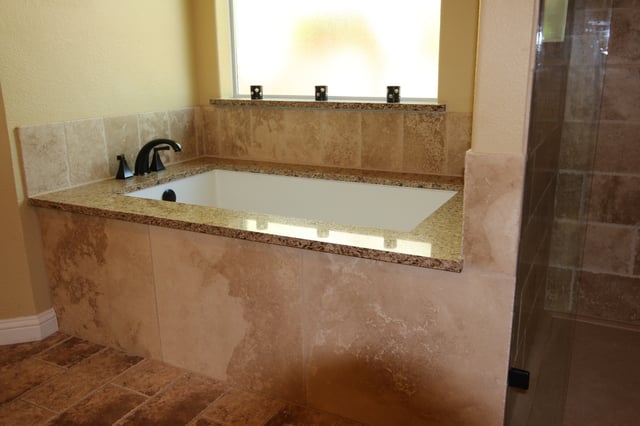
In general, smaller bathroom sizes are dictated in some respect by the length of the tub which in most cases is five to six feet long. This is evidenced by a tub that has been installed opposite or adjacent to the entry to the bath producing a wall to wall tub situation. In this configuration the toilet and vanity are generally placed on one of the walls that are perpendicular to the length of the tub. Here is a great starting point to gain space for a larger custom walk in shower to replace the tub you never use. If you are fortunate enough to have wall lengths exceeding the five or six feet norm then space is not an issue and you can proceed with ease. Just choose your finishes wisely and keep all choices within your budget.
Bathroom plumbing fixture choices are numerous to say the least. Select reputable companies offering the best warranties especially when considering finishes used on control valve trims and the fixtures installed in the project. Larger walk in shower designs should have seamless fiberglass liners to avoid leaks if the house ever shifts. Using natural stone or glass tiles while additionally designing in glass blocks will certainly be an upgrade. As for the new walk in shower design, you can design the space to not need a door for splash protection or you can take the route of a clean looking frameless glass shower enclosure. This will surely set you back at least $900. The end result will be a sophisticated clean look of beauty enclosing your new shower. Whether the door sits upon a curb or you have a specific need for a curbless situation you will be satisfied with your choice.
Some people confuse aging in place with universal design. Both are a method to increase accessibility within the home but aging in place strictly deals with an existing home. Aging in place also implies modifying any home for it's older occupants to insure that the inhabitants can safely remain there as long as they possibly can. This time will expire once they need assisting medically trained help for safeguarding their personal safety in a nursing home or an assisted living environment. Universal design is just that; offering choices to all of a home's residents no matter their age or physical capabilities. It begins with a design and then the construction begins. The number one safety hazard for elderly people is negotiating level changes within the home--steps at the entry, stairs between floors, and curbs to step over when entering the bath or shower. Eliminating level changes is very difficult in existing homes and almost impossible to do aesthetically and without major compromises, unless there is a major renovation. The result is that most homeowners decide to sell the house rather than make the modifications. When universal design is incorporated into their design, homes can accommodate the needs of their owners as those needs evolve over time.
Who do you choose to help you with your dream? It is true that a professional remodeling contractor with years of experience will cost you more than a handyman illegally playing amongst the trades at your peril but then again there are those professional guarantees to consider. The professional verses the handyman is more likely to seek your overall satisfaction that will follow him into his next job. A true building professional can also orchestrate the job's smooth flow limiting the down time of a most useful room. Subcontractors will not be covered up and each skilled trade is brought onto the sight as needed in an orderly fashion. Professionals normally have insurance to cover on the job accidents to protect the homeowners from having legal action brought against them personally. Be sure you ask for a certificate of insurance from your chosen professional contractor so that you aren't held personally liable for medical expences covering a worker's accident while on your property. Don't forget that only a certified aging in place (CAPS) professional can help you solve your accessibility issues in the bathroom. For additional information about the CAPS program, visit nahb.org/CAPS. For more information about T-Square Company, visit www.tsquareco.com or call 512-444-0097.

Tags:
aging in place home modifications,
aging in place home improvements in Austin,
wheelchair accessible baths and kitchens,
handicap home modifications,
fine bathroom upgrades,
disability bathroom remodels,
Austin bath remodeling,
Austin bath remodel,,
Austin bathroom remodeling,
Austin bathroom remodel
If you have been considering an Austin kitchen remodeling project there are a few things you should take into consideration. Kitchen upgrades in Austin, Texas can take on many looks and facets. The scope of work you choose to accomplish this task should effectively solve your problems and most importantly, your needs as the home owner-- for now and for the future. The identification of these specific needs belongs to you the home owner. The way your home is structurally altered to accomplish these needs is the job of the professional remodeling contractor. Aging in place and accessibility should be a concern no matter what your age. If your concerns are not for you, barring any life changing accident, they could concern the accessibility of another generation's independence is using the bathroom. A CAPS professional in the remodeling industry can help with solutions in solving these issues while performing design/build home modifications. T-Square Company is a nationally registered CAPS remodeling contractor.
When you are replacing your old cabinets during a kitchen remodel with some new fine cabinetry or perhaps you are just needing an updated work surface there are a few choices that need to be considered before making your final decision. Plastic laminates, solid surface material, granite, quartz, stainless steel, wood, and concrete are the most popular choices today when considering new or replacement counter tops for a fine kitchen upgrade. Each surface has it's own set of pros and cons to take under advisement before a conclusion is reached making sure your selection blends with your lifestyle. Remember that any samples of materials you see are only small representations of any larger piece when choosing products. Furthermore protection from heat sources and cutting boards should always be used no matter which top you choose. Kitchen upgrades and bathroom remodels return the most money at resale on the initial investment of the remodeling project. National averages show that kitchen remodels recoup around 70% of the costs of the upgrade at the time of resale. However, your kitchen remodeling costs should never exceed 15% of the total value of your home. Here is where you need to get your thinking cap on and plan for an affordable budget that is within your means. Your material choices are very important and if you need to stay mid-level to remain in your budget then do so. The labor involved for the project will be around 1.6 times the cost of the materials used. The total budget should allow $100 per square foot for your kitchen upgrade project at a minimum.
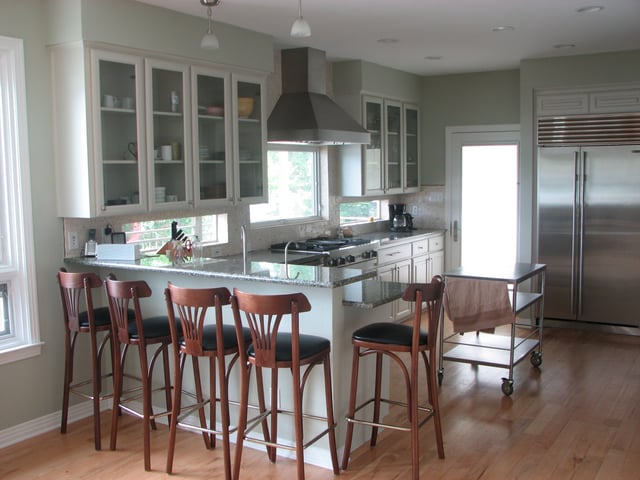
Kitchen remodeling in Austin, Texas is no different than anywhere else. Basically, for an average size kitchen of between 200-300 square feet you can budget a minimum of $30,000 for your kitchen upgrade. There are very few DIY kitchen remodeling projects. Once the demolition is accomplished the inexperienced homeowner should consider his part in the remodel to be complete. It's time to get the building professionals involved to make sure that the resulting kitchen upgrade functions correctly. The correct electrical wiring with the new outlets and appliance rough ins should be installed within the kitchen's frame work. Dedicated circuits per the national electrical code should be wired by a qualified electrician. This will insure that two appliances can be running simultaneously without tripping any circuit breakers. The electrician will also install the needed GFI protected circuits that keep you safe around any wet areas. It's also a great time to install all the upgraded lighting fixtures with the new switching they require. Skimping on the electrical budget can cause many problems including an electrical fire.
Plumbing upgrades need to be addressed and the use of a master plumber will make sure that everything functions correctly. Moving a sink over a small amount can add an additional $2,500 to your project's hard costs as it affects both the plumbing and the floor. The plumber can be sure that you have adequate water volume for any additional fixtures that will be involved. The plumber will be involved through the setting of the sink, fixtures, and all appliances requiring water to operate. When choosing a kitchen sink, whether it is a drop in model or an under mount, you can never go wrong with a good grade of stainless steel. These sinks never go out of style and you can outfit them with any color and kind of faucet finish that you see fit.
Any kitchen remodeling ideas will need to include a better service or work triangle between the sink, refrigerator, and stove placement when remodeling an Austin kitchen. The shorter the sum of the triangle legs the more efficient the layout. Twelve to fifteen feet is an optimum size for efficiency. Islands can also be incorporated into the design to increase your functionality. The prep sink within the island can become it's own focal point of the work triangle reducing the duties of the main kitchen sink. The orientation of the island toward the work triangle is very important making sure traffic can still flow freely within the designated triangle. Islands can contain all sorts of special storage areas. Mixer lifts, produce storage drawers, pullout shelving, divided drawers, wine storage, and dough board pullouts are just a few of the many useful aspects that can be incorporated into the island.
Moving on to the fine cabinetry for the project, you are limited by what you have budgeted for. Traditional face frame medium grade oak or maple cabinets will cost you around $160 per linear foot. Any exotic wood species are even more costly. Special cabinet amenities like pullouts beyond the basic drawer and shelf storage will add more to the total cabinet price. If the intent of your upgrade is to increase your accessibility via an ADA remodel as in wheelchair accessible, the new cabinets will most likely have to be custom made. These alterations should be done by a qualified residential construction contractor who is accomplished in dealing with the local ADA codes.
Frameless European full overlay style cabinets are a type of fine cabinetry having either a painted or stained wooden exterior or one with the exterior totally covered on all exposed surfaces in plastic laminate per your choice of color, pattern, or manufacturer. The laminated exterior application provides a much cleaner and more modern look for easier maintenance. The doors and drawer fronts on all European cabinetry are flat having no crevices to conceal grease and grime and directly overlay the cabinet box. Each door is mounted on the inside of the box using fully concealed and adjustable two part hinges. The frameless European style is represented only by the cabinet carcass or box, composed of the walls, bottom and top (if needed), and back without any face frame components yielding only a 3/4" outward appearance for all the stiles and rails. This European style which eliminates the usual two inch face frame gives full access to any stored contents with more usable room. These frameless cabinets limit the amount of exposed stile and rail surface area between the door and drawer faces. The exposed cabinet area is normally limited to 1/8-3/16 of an inch. This holds true between any two finished faces coming together presenting a half overlay situation on either a horizontal rail or vertical stile; hence, exhibiting the full overlay method. This clearance is also typical at the juncture toward the outside walls beside the cabinets. One other characteristic of the European design lies in the adjustable shelving. A series of 5mm holes are repeatedly drilled in 32mm increments (approximately 1 1/4") continuously at the front and back of all vertical cabinet pieces receiving shelves. This configuration allows for shelf supports to be inserted to adjust the shelves. In time, the shelf supporting "dogs" might wear out the holes and become loose causing the shelves to collapse. The retro use of metal pilasters will remedy the problem.
Following cabinet installation, there is no room for the application of wall trim in the European method. Spaces against the walls should be caulked in place to seal the carcass to the walls. If the gap toward the side walls is greater than 1/8 inch preventing a reasonable caulk joint, a laminated filler must be installed. This new filler should be cut and sanded to fit the taper tightly filling the gap. As mentioned above, the narrow but typical gap from the side of the cabinets to the wall can and will be a problem when European style cabinets are specified for a remodel. Don't forget that the 1/8th inch spacing rule means that no passage door or window trim can be any closer to the new cabinet faces than the cabinet drawers themselves are deep. Any such trim will always be 1/2 inch or more in thickness thus impedes cabinet function. By practicing this rule of thumb you will allow the drawers to fully extend. Cabinet doors will also have a clear swing radius and not be wedged against any perpendicular entry door trim. If the above needed clearance from the cabinet faces to the door trim is nonexistent the entry doors themselves must be relocated. This aspect will include any wiring for light switches or outlets and should be done by a qualified electrician.
There are many textured nonporous plastic laminates available today that will help keep your project costs in the black for the cabinet top. However, the premium grades of plastic laminate counter tops will still cost upwards of $45 per linear foot. Common grades of granite run around $100 per square foot including prep work like edges and sink cut outs and these granite choices can be purchased at square foot pricing. Premium or exotic granite tops must be purchased at slab pricing meaning you will end up with the remnants you don't use to complete the project. Quartz tops are somewhere in the middle and now some are becoming common stock materials in the storage yards available at square foot pricing. Back splashes can either match or be totally different from the surface of the counter top. Poured in place concrete tops are available as well as stainless steel or solid surface materials. Back splashes using tile patterns and designs must blend well with any of the chosen counter top surface choices.
Whatever your situation rely on the experiences of a local building professional. Check out their credentials and references over merely price checks against other bidders. Don't make the mistake of letting a cabinet maker subcontractor or tile installer play the part of a general contractor because his knowledge will be limited to that of the cabinets or tile and not the whole project. You get what you pay for with proper planning and by using an experienced and qualified contractor.
Tags:
fine kitchen upgrades,
kitchen remodeling,
residential construction contractor,
kitchen makeovers,
fine cabinetry,
aging in place remodeling,
aging in place home improvements in Austin,
ADA kitchen cabinets,
accessibility home remodeling in Austin,
Austin kitchen remodeling,
kitchen remodeling ideas,
kitchen remodel ideas,
Remodel kitchen,
Austin kitchen remodels,
Austin kitchen remodel