David L. Traut, CAPS
In 1974 while obtaining a graduate degree from the University of Texas at Austin an innate talent was acknowledged and T-Square Company was formed as a means to remodel both friends and Professors homes. This began a quest for constructive footprints leading to a lifetime of challenge. My researching practices evolved into the art of building the most efficient structures possible utilizing the ever changing technologies benefiting construction.
With over three decades of experience in both residential and commercial construction techniques a hybrid type of building became available to our clients insuring a successful completion of their projects. We incorporate our in house craftsmen with a qualified group of licensed subcontractors to get your project done professionally, in budget, and on time.
Everyone planning to remain in their home to Age in Place is looking for safety, security, ease of use, and comfort. Homeowners and families must plan for future housing needs. The current housing inventory does not offer the features needed for safety and accessibility in the numbers required to accommodate the growing demand. They have weighed the costs of institutional living compared to their home’s expenses. They also realize the difference in adhering to stringent rules in a facility instead of independently and freely residing in their present home.
Before and after retirement is an excellent time to prepare the house for what comes next in life—before any significant health issues appear. Choosing to Age in Place earlier in life using Universal Design techniques means a family can longer enjoy the home without obstruction. Their relatives, visitors, and children have peace of mind assured the aging loved ones or the chronically ill are safer living at home.
The truth is, with professional help, you can adapt almost any home environment to enable you and everyone else in the family to live within it to the fullest extent safely. The process is not age-related. Disability can strike any family member at any age. The need for greater home accessibilty is the common thread. Universal Design or inclusive design is a design and building pathway that makes homes more accessible to all regardless of their age, mobility, or ability when appropriately used. The design process offers a seamless path for Aging in Place. It addresses the requirements of special needs families or multigenerational situations. Solutions for diverse living conditions are now becoming a possibility.
Regardless of size or ability, people are becoming more familiar with Universal Design and Aging in Place if considering a home remodeling project. Some people use these words interchangeably, but while they are similar, they do differ. Both are specific design techniques used in making a home more comfortable and accessible for individuals of different abilities. Universal Design deals more with customized new dwellings and a proactive remodeling approach for people wanting to Age in Place before any health issues arise. Aging in Place strictly involves remodeling existing homes to accommodate physical needs brought on by sudden health issues in a reactive manner. The costs for both processes represent a beneficial investment in your home for future needs as opposed to merely spending involving aesthetically pleasing remodeling projects.
I came to realize over my building career that including cramped twisting hallways with narrow doorways, bathrooms lacking maneuvering space and usability, kitchens without accessible storage and workspaces, and stepped home entries were repeating home design flaws. The home building industry has always lacked inclusion for all homeowners with their ever-changing needs.

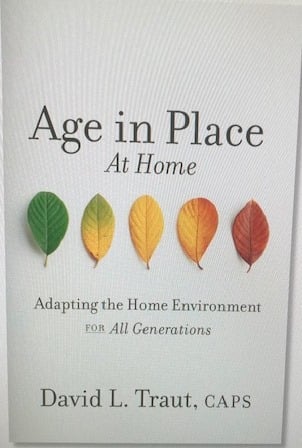
As a Certified Aging in Place (CAPS) professional (#1636580), I am confident this book, which will hopefully be available toward the end of 2022, will introduce you to a new way of thinking about your home's future. It offers a guide for solving diverse home needs for all people affected by varying physical conditions and aging. I decided to write this book due to many customer requests for a summation of suggestions to improve their home's accessibility, comfort, usefulness, and sustainability and, ideas they could share with others. I based the information provided on countless past walkthroughs and home assessments. Inside, you can discover room by room the benefits of using the principles of Universal Design and how to incorporate them periodically throughout your living environment at your own pace. I guide you through a home, making suggestions for what will increase your and your family's future accessibility. You will notice the chapters involving the bathroom and kitchen are pretty extensive. They represent the most important rooms to consider when planning to Age in Place. The most utilized rooms in our homes must accommodate all diverse residents and visitors.
Would you please not allow your home to hold you or your loved ones captive within its walls and enable your home to conform to you and the needs of your family. Please think ahead positively and proactively while preparing for the future. IT JUST MAKES GOOD SENSE.

#accessiblehomes
Tags:
ADA compliant kitchen cabinets,
ADA accessible,
barrier free access,
aging in place remodeling,
ADA remodeling,
aging in place remodels,
ADA kitchen cabinets,
handicap accessible bathrooms,
aging in place construction,
CAPS professional in Austin,
accessible home remodeling,
CAPS remodeling techniques,
disability home remodeling in Austin,
aging in place specialist,
aging in place services,
aging in place design,,
certified aging in place specialist,
handicap remodeling contractors in Austin,
handicap home modifications for disabled,
disability access bathrooms Austin,
universal design ideas,
Austin accessible home remodeling,
certified aging in place consultant in Austin,
aging in place specialist in Austin,
senior aging in place services,
home remodeling for disabled,
home accessibility help in Austin,
home remodeling for disabled in Austin Texas,
wheelchair accessible home remodeling in Austin,
universal design remodeling contractor,
principles of universal design,
disability contractor in Austin,
special needs contractor in Austin,
handicap accessible remodeling,
barrier free remodeling,
handicap accessible home modifications,
disability remodeling,
handicap bathroom remodel,
disability access contractor,
barrier free showers in Austin,
ADA vanity in Austin,
accessible bathroom remodel,
what is ada compliant,
accessible homes,
universal design contractor,
accessible housing,
Austin home remodeling for disabled,
modifying your home for a disabled child,
wheelchair accessible homes,
the basics of aging in place,
barrier free kitchens,
barrier free design,
Austin home accessibility solutions,
Age in Place at Home
Let's face it, accessible homes are needed by all of us at some time in our lives. It can be a temporary or a permanent need. This is true whether it's for ourselves, a family member, or a guest. The need is certainly not driven by age but is a result of life's experience. Any family living with a disability among any of its generations within its group can always benefit from additional accessibility. This will in turn increase safety and independence for all involved as they go through life needing elder living solutions. Acknowledging this vital societal need for challenged homeowners is why T-Square Company has offered Austin home modification services for over 25 years as one of Austins aging in place contractors. We access your living environment for greater accessibility and formulate a custom design/build solution around your specific needs.

There are really three categories of aging in place customers. Those who are simply and wisely planning ahead for their futures to remain in their present homes. The second category concerns those people who know they have a chronic medical disorder and need to prepare in advance for accessibility issues that will come as a result of their disease. People with diseases that are constantly causing increased physical or mental changes to their being are a good representative of this second group. The third group involves those people who either have had a chronic problem that has progressed severely altering their mobility or those who have sustained a life-altering tragedy such as being involved in an accident. All of these groups will drive the future metamorphosis of existing inaccessible dwellings.
Disability is a complex phenomenon representing an interaction between one's physical impairments, the activities they need to perform, and the architectural barriers within the space in which this situation occurs. The terminology and jargon used for disabilities evolve regularly whereas, "handicapped" is no longer acceptable. It is no longer merely a description of intellectual or physical impairments. Each individual with similar impairments describes his or her limitations differently. The blind don't experience their world the same as a person with deafness. Some of our societal statistics that weigh into aging in place situations include reports stating that 19% of the population between the ages of 16 and 64 and 42% of those of us 65 and over have a physical disability affecting the activities of our daily lives. For a progressive condition, aging in place home remodeling in Austin definitely comes into play. This is the only way to ensure both the safety and mobility for the homeowner or family member requiring the home modifications. The two main groups driving this aging in place market are those people who are 65 and over and the baby boomers. The first group is projected to reach 55 million in 2020. The baby boomer generation born between 1946 and 1965 today makes up 28% of the U.S. population and is made up of some 77 million people. Modifications of existing homes using aging-in-place services are important because people age 50 and older want to remain in their current homes for as long as possible. Aging in place design in Austin should only be done by a CAPS-certified remodeling company providing aging in place services. This is the only way that you can be assured that the home modifications are the right choices to satisfy your needs. There is no need to waste money only to find out that the wrong alterations were done by an inexperienced and non-qualified remodeling company. Always check their credentials to verify that the remodeler holds a CAPS certification. All registered CAPS program graduates and their remodeling companies will be listed in a national registry in Washington. The information can be found by simply visiting nahb.org/CAPS.

We provide a means for our customers to remain in their homes for as long as possible through certified aging in place design. Gaining accessibility is the key component. Let us help you design and build a new accessible awareness for your existing home. Aging in place home modifications in Austin can show you how an accessible route will give you access to any part of your home no matter what your mobility situation is or will become. For obvious reasons, the bathroom and kitchen are the rooms most affected by a lack of accessibility when aging in place is a concern.
We are able to handle any remodeling project and focus on collaborative client-centered solutions. We are not afraid to think outside of the box for solutions that meet our client's needs. We are a company with extensive experience in physical and occupational therapy as well as construction, remodeling, and design. Our Austin aging in place services includes individualized assessments, architectural design, interior design, accessible remodeling & construction, wheelchair lifts & ramps, stairlifts, residential/commercial elevators, ceiling transfer lifts, and other simple solutions such as grab bar & railing installations.
Please call T-Square Company for all your CAPS building and remodeling needs!
Tags:
Austin,
Texas,
aging in place remodeling,
CAPS,
aging in place home modifications,
wheelchair accessible baths and kitchens,
CAPS certification,
home remodeling,
CAPS certified remodeling in Austin,
aging in place remodels,
disability bathroom remodels,
aging in place designs,
custom tub to shower conversions,
accessible home remodeling,
Austin bath remodeling,
Austin bath remodel,,
Austin bathroom remodel,
Austin kitchen remodeling,
Austin kitchen remodel,
aging in place services,
aging in place design,,
elder construction,
certified aging in place specialist,
Austin home accessibility solutions,
Austin home modification services
What are CAPS services and what does CAPS stand for? First of all, CAPS stands for Certified Aging in Place Specialist. The aging societal changes and inventory of inaccessible existing houses created the need for a CAPS certification program. This designation program, offered through the National Association of Home Builders, NAHB, in collaboration with The American Association of Retired Persons or AARP, incorporates components of assessment, technical knowledge, and management skills related to home modifications used to help people stay at home safely and independently for a longer period of time. The program was developed in 2001.
The services offered by a CAPS professional varies from a complete accessible remodel to improving certain areas in the home like bathrooms or kitchens. The precise modifications increase usability according to personal needs of the homeowner and family. The CAPS program connects responsible professionals with homeowners needing specialized accessibility services on an ever-increasing basis. Ordinary homeowners with extraordinary challenges partner up with experienced CAPS professionals and their own families. Working as a team, the trained CAPS specialist along with any family caretakers or therapists is able to identify the day-to-day problems weighing on those with health limitations. Aging in Place services provided by a specialized remodeling contractor ensures all accessibility issues of the home are accomplished correctly. T-Square Company located in Austin, Texas is one of the specialized CAPS certified contractors.
The CAPS credential is a nationwide initiative and many construction and design professionals are taking advantage of the helpful training across the nation. David L. Traut, president, and owner of T-Square Company is an active CAPS member (#1636580) and has participated in the program for over a decade. Furthermore, he has actively completed accessibility design/build remodels for over 25 years for the private sector, HUD, and the VA. Always check a person's credentials to verify the remodeler holds an active CAPS certification and is familiar with Universal Design. All registered CAPS program graduates and remodeling companies are listed in a national registry in Washington DC. The information is found by calling 1-800-368-5242 or by simply visiting their website at: http:www.nahb.org/en/learn/designations/certified-aging-in-place-specialist.aspx.
If the current pandemic taught us anything concerning safety and institutional living situations, we now know it is much safer to remain in your home surrounded by familiar surroundings and friends. During the stay-at-home mandates, everyone was aware of what Aging in Place meant. We all became better acquainted with our homes and family members. The best way to approach a desire to Age in Place is by being proactive before an illness takes control of your life. At that point, you must deal with it in a reactive manner. There are many differences between home modifications and a home remodel. The main difference is home modifications involve investing in your familiar home versus spending during remodeling. Home modifications are used to enhance your ADL (Activities of Daily Living) whereas remodeling deals more with aesthetics. Investing in your home will benefit your future retirement years by making your home conform to your needs.
T-Square Company in Austin, Texas is a CAPS certified remodeler and offers design/build Aging in Place projects using principles of Universal Design. Call 512-444-0097 to discuss your project today and learn how you can achieve better accessibility within your existing home. Our knowledge and experience can help solve your personal needs within your existing home. Whether you need a safer shower, wider doorways, a zero-step entrance, or a more accessible kitchen to entertain your family and friends, T-Square Company is here to help.
Tags:
barrier free access,
aging in place remodeling,
CAPS,
aging in place home modifications,
ADA compliance,
custom tub to shower conversions,
accessible home remodeling,
CAPS remodeling techniques,
aging in place services,
bathroom modifications for disabled,
ADA bathroom Austin, Texas,
home modifications for independent living Austin,
Austin Handicap Remodeling,
universal design ideas,
certified aging in place consultant in Austin,
universal design remodeling contractor,
handicap accessible remodeling,
barrier free remodeling,
disability remodeling,
handicap accessible bathroom shower,
veterans home remodeling in Austin, Texas,
veterans home accessibility help in Austin, Texas,
accessible toilets,
ADA Compliant grab bars,
home access,
what is aging in place,
accessible home builder in Austin,
ADA Compliant Bathroom Vanity,
the basics of aging in place,
universal design home additions
As a universal design/build construction company located in Austin, Texas, T-Square Company realizes that building for your future changing needs is a very valuable consideration concerning all your periodic remodeling projects. We always design for the future for our clients, regardless of their age or abilities. This thought process is especially true when designing a bathroom upgrade. Being a nationally CAPS certified remodeler, we are very aware your personal needs can change in the blink of an eye. The daily tasks of getting into the bathroom, bathing, showering, using the toilet, or brushing your teeth can become almost impossible without assistance if you don't address your bathroom's inaccessibility in a proactive manner. Any revisions must be completed before you absolutely need the help. Design shortcomings become ever so noticeable if you have an accident and are recovering at home or a debilitating disease sets in. Most all problems caused by architectural barriers will be eliminated with a handicap accessible bathroom remodel.
We are certain that avoiding emergency remodeling while incorporating Universal Design techniques into your home whenever possible is a great way of enhancing your health, independence, and safety. This practice also provides a better overall quality of life. The sooner the main inaccessible areas in your home are addressed, the longer you and your family have to enjoy them. For those desiring to Age in Place, as in safely living in your own home for as long as possible, gradually incorporating the principles of Universal Design into all remodeling projects provides a seamless gateway for successful aging. So, what are the main concerns when designing a bathroom for the future?
Getting Into The Bathroom
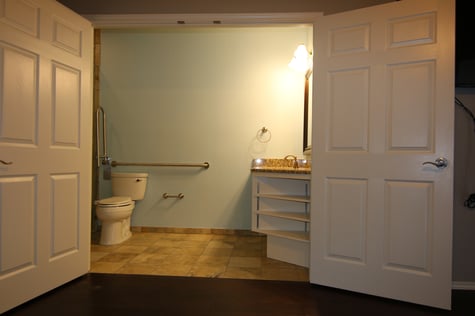
When possible, you should always install a 36-inch wide door into your bathroom allowing all mobility devices to enter without obstruction. Sometimes it's easier when walls cannot be altered or removed to make a large double door entry into the bathroom. Replacing the original twenty-four to twenty-eight-inch wide door offers maximum accessibility for anyone. This universal design element provides clear approaches toward all bathroom fixtures from an adjoining room. Additionally, an unobstructed 60-inch wheelchair turning radius is shared by the bathroom and adjacent room.
An Accessible Shower
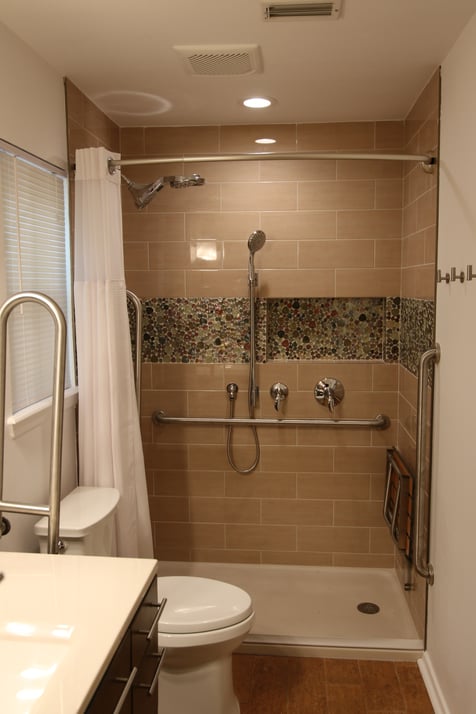
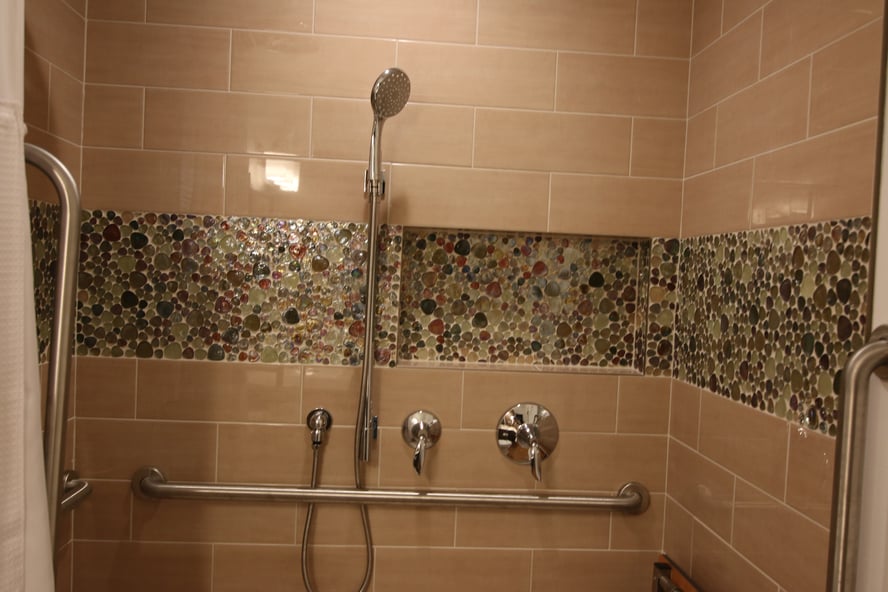
A safe, low-profile (1 1/2" tall) accessible shower with roll-in capability from an add-on ramp suits the needs of most diverse homeowners. Even if you don't require the grab bars during a particular phase of your life, installing adequate blocking before the tile is installed provides a universal path for your future needs once the bars are required. Take note, the grab bars must be able to withstand a shear force of 300 pounds. Their purpose is to provide support and stability when you need it most. Clutter within the shower and especially on the shower floor is a safety hazard. Recessed shampoo niches keep shampoo bottles and other items off the floor. Additionally, folding shower seats are far safer than free-standing models that are rarely ever in the right place. They save space when folded while not in use and never interrupt the use of a shower chair. It is a common misconception that shower controls must be mounted on one wall underneath the fixed shower head. Shower valves can be installed anywhere they are most convenient for the user, especially if a caretaker is involved. A recessed shower can light above the shower decreases shadows and further increases safety.
Using The Toilet
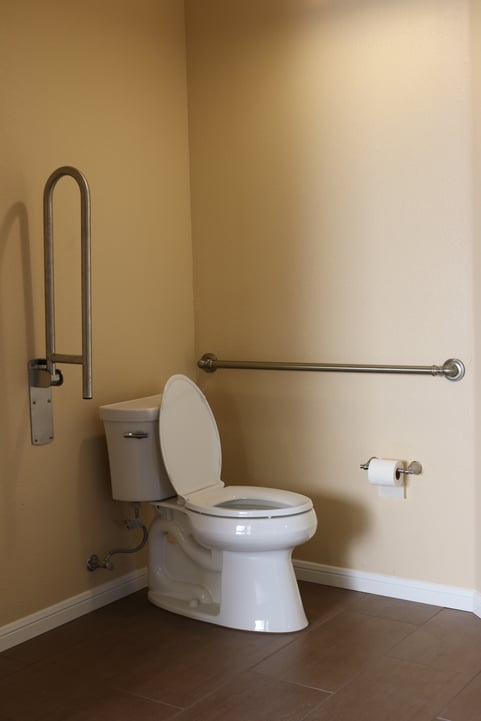
When a toilet exists in a confining room or space, there is no easy way of approaching it if you have mobility problems and especially if you are using any kind of mobility device. After all, safety is the predominant concern when using the toilet. Remove all restricting walls and narrow doors so everyone can freely approach and use the toilet. Once again, grab bars increase safety when they are required and must be adequately prepared for installation. Another problem with toilets involves those that are too short requiring deep knee bends for using them. A higher comfort height toilet offers significant help with this problem. Be sure the flush handle is toward the open side of the bathroom.
Brushing Your Teeth
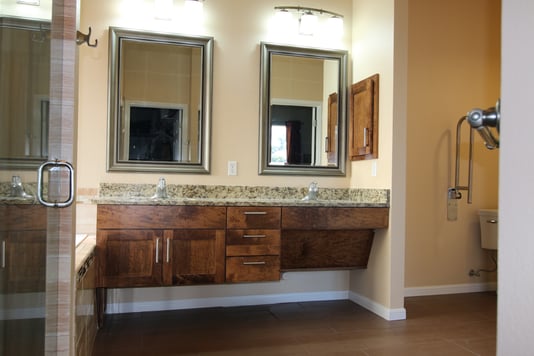
Offering adaptability in a vanity is a universal design aspect. Everyone has equal access while standing or using a wheelchair--if only for a short time during recoveries. More adaptability is offered using multiple height countertops. Lever faucets are easier for everyone to operate, even for those users with arthritis. Motion-sensor faucets create washing areas that are completely hand-free.
When you are ready to take the next steps toward your accessible future, contact T-Square Company in Austin, Texas. We can show you how to address your personal needs using our more than thirty years of knowledge and design/build accessibility experience. We guarantee to keep you safer in your existing home longer and out of dangerous and uncaring institutions using our proven design methods. We offer all handicap accessible home renovations or additions--especially accessible bathrooms.
David L. Traut, CAPS #1636580
Tags:
aging in place remodeling,
custom walk in showers,
certified aging in place specialist,
ADA bathroom Austin, Texas,
disability access bathrooms Austin,
Austin Handicap Remodeling,
universal design ideas,
universal design building for a lifetime,
home accessibility help in Austin,
universal design remodeling contractor,
7 principles of universal design,
applying principles of universal design in Austin,
handicap accessible remodeling,
barrier free remodeling,
disability remodeling,
handicap bathroom remodel,
ADA compliant wheelchair accessible showers,
disability access contractor,
veterans home accessibility help in Austin, Texas,
barrier free showers in Austin,
accessible bathroom design specifications,
ADA vanity in Austin,
accessible toilets,
what is an ADA compliant bathroom,
universal design/build contractor,
universal design vs. aging in place,
home accessibility,
accessible design,
why universal design,
what is aging in place,
accessibility home modifications,
handicap bathroom vanity,
handicap accessible floor plans,
maneuvering in and around the accessible home,
future home building using universal design,
universal design home additions
The biggest and most important challenge for any homeowner wanting to increase accessibility using Universal Design to Age in Place is qualifying a chosen builder or remodeler. Consumers must verify the tradesman or professional has both the experience and knowledge for understanding any requirements used to increase the client’s safety and accessibility within the home. This is the only variable a homeowner controls in the building process. You are about to give a complete stranger your trust in a very serious matter of which you most likely know little about beyond articles read on the internet or hearsay. All professionals selected must be knowledgeable and experienced concerning Universal Design projects. The relevant personnel having job input concerning the client consist of architects, designers, builders, remodelers, and any therapists or extended healthcare workers who are involved with any household occupant requiring home modifications. I have witnessed clients who are completely overwhelmed and frustrated when interviewing several groups of building professionals including subcontractors with overlapping scopes of work. They become confused by the large amount of information gathered. Be advised that too many cooks in the kitchen can spoil a successful job outcome. CAPS certified accessibility specialists are trained to be better capable of helping with both the design and construction phases of the project. Most CAPS members have had coursework in Universal Design. However, you would not choose a recent law graduate over an experienced defense attorney to represent you in a serious matter. Even though both people have law degrees, there is only one path to choose. The remodeling business is no exception. All CAPS certified professionals are not equal. Some come from different professional backgrounds other than construction while others have not used their acquired knowledge long enough to make a difference. Ask about their experience and how long they have practiced Aging in Place remodeling. A well-seasoned contractor has seen what issues frequently come up in making improvements for Aging in Place and knows which methods he or she has used to overcome certain problematic areas of the home.
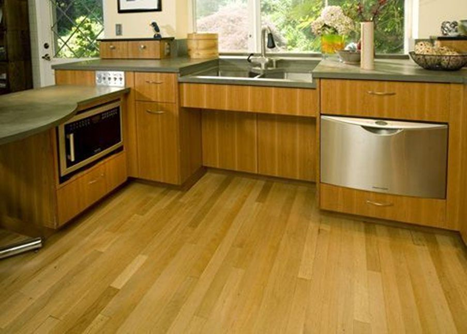
The aging societal changes and inventory of inaccessible existing houses created the need for a CAPS certification program. This designation program, offered through the National Association of Home Builders, NAHB, in collaboration with The American Association of Retired Persons or AARP, incorporates components of assessment, technical knowledge and management skills related to home modifications used to help people stay at home safely and independently for a longer period of time. The program was developed in 2001. The CAPS program connects responsible professionals with home owners needing specialized accessibility services on an ever increasing basis. Ordinary homeowners with extraordinary challenges partner up with experienced CAPS professionals and their own families. Working as a team, the trained CAPS specialist along with any family caretakers or therapists is able to identify the day to day problems weighing on those with health limitations. Aging in Place services provided by a specialized remodeling contractor ensures all accessibility issues of the home are accomplished correctly. The CAPS credential is a nationwide initiative and many construction and design professionals are taking advantage of the helpful training across the nation. Always check his or her credentials to verify the remodeler holds an active CAPS certification and is familiar with Universal Design. All registered CAPS program graduates and remodeling companies are listed in a national registry in Washington DC. The information is found by calling 1-800-368-5242 or by simply visiting their website at: http:www.nahb.org/en/learn/designations/certified-aging-in-place-specialist.aspx.
Experienced CAPS certified remodelers have the knowledge, expertise and sensitivity to provide modifications for making a home safer, more accessible, and better suited to the client’s required needs. A professional CAPS certified builder or remodeler is able to correctly assess the costs associated with an accessible design and lead the homeowner in the right direction adhering to the available budget costs to accomplish the modifications needed. Home modifications, accessibility products, and barrier free design greatly promote the independence and functional ability of physically challenged and aging individuals. Designing around specific physical conditions for accessibility lessens the impact of arthritis, restricted mobility, or loss of vision by using combinations of products, concepts, and techniques available today. Keep in mind when hiring a Certified Aging in Place Specialist they offer a service rather than a product. Each CAPS member draws from a different knowledge base, and approaches each project in a distinct way.
T-Square Company in Austin, Texas is a CAPS certified remodeler and offers design/build Aging in Place projects using principles of Universal Design. Call 512-444-0097 to discuss your project today and learn how you can achieve better accessibility within your existing home.
Tags:
aging in place remodeling,
aging in place home modifications,
ADA compliance,
custom tub to shower conversions,
CAPS remodeling techniques,
Universal Design,,
aging in place services,
home modifications for independent living Austin,
universal design ideas,
certified aging in place consultant in Austin,
7 principles of universal design,
barrier free remodeling,
disability remodeling,
ADA compliant wheelchair accessible showers,
accessible bathroom remodel,
why universal design,
the basics of aging in place
The present out of control housing market situation prompted a search for answers solving the question of how to create houses capable of meeting the needs of tomorrow while accommodating future life changes. There is no one size fits all home design because everyone’s life experience is unique to them creating a diverse society with diverse physical needs. Using Universal Design, the wide ranging abilities of the homeowner is a major consideration for all successful inclusive and adaptable designs in homes. The absence of the Universal Design principles entering into all existing home architectural endeavors is perpetuating the lack of accessible housing urgently needed for the lifespan of every homeowner. To increase the acceptance of this design concept by everyone, especially the consumer, Universal Design must become a topic of conversation through knowledge and basic understanding. This depends on the members of the broadest populations’ acknowledgement of the need for the use of this practical idea.
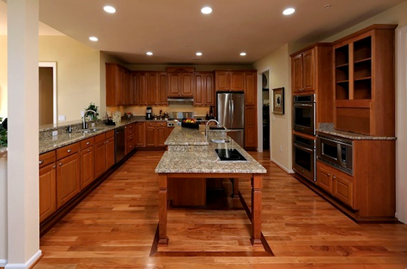
Universal Design plays a significant role in the future accessibility of all home designs. Homeowners must base design decisions on the seven (or eight) principles of Universal Design. Deciding which universal features to include in future forever homes is the most alluring question. Each principle is very useful in itself. The more principles involved in the design process, the greater the adaptable outcome of the home. After all, the smart forward thinking homes of the future depict long term sustainable assets for life allowing Aging in Place to seamlessly follow as people age and evolve. It is true Universal Design emerged out of the accessible and adaptive architectural movement; however, it constantly attempts to combine aesthetics with basic core values for every user. While moving us toward an accessible future, appearing invisible, Universal Design recognizes peoples’ bodies, needs, and lifestyles constantly change along a continuum due to the aging process. Universal Design acknowledges too that everyone ages differently as individuals. One person’s disability type is not experienced like another’s. It is better to live in a more open and comfortable Universal Design home with the flexibility of evolving with the homeowner rather than one which at some uncertain time becomes an impasse during the homeowner’s lifetime.
Embracing Universal Design with its many values and advantages for all people during timely remodeling projects or while building a new home is needed if society is ever going to escape the inaccessible cookie cutter homes of today. Additionally, this design technique offers a win-win solution helping solve problems encountered by multi-generational households. The multi-generational homes of today create the greatest personal accessibility challenges for all the generations involved. The application of Universal Design principles is desperately needed to sustain the choice of living environments for these diversified families. Universal Design homes have the unique ability of simultaneously accommodating strollers, walkers, or wheelchairs within the home without regard to a person’s size, age, or abilities. Furthermore, these homes contain lasting value if the owner ever decides to sell appealing to all society groups. To the uninformed, the folklore associated with Universal Design has stigmatized the process in home building today. This has much to do with why such a unique building concept is not greeted with open arms by the consumer. Beliefs like, it costs more, it takes up too much space, it will make my home have less resale value, it will look institutional, or only a few people could benefit from it represent a select few.
While Universal Design sounds appealing in conversations, it is rare to actually witness it in the built environment. The Universal Design movement recognizes its slow acceptance hinges on historic ties related to being a disability solution. This way of thinking causes implications for consumers and the world of home design presenting a huge misconception. Universal Design never distanced itself from the need for increased accessibility during the disability movement of the 80’s and therefore is mired in ADA jargon producing an indelible unfocused brand. As an inclusive design, Universal Design pertains to overcoming the barriers and stereotypes associated with its terminology in order to stand out as the next and final trend in future housing. Universal Design has no limits for the varying groups of people it helps. Every family member is included when using this design methodology whether they are abled or disabled, short or tall, young or old. With education, people understand Universal Design is the most revolutionary element in housing design today. Once realized how the principles of Universal Design affect everyone in the quest for maximum inclusion, consumers might start paying better attention to this logical building concept. Future home dwellers are fortunate in having this transitional and adaptable design concept in their vocabulary. Possibly they distinguish the designs flexibility as the gateway for tomorrow homes built and designed for everyone at every age. Only then, when people grasp the importance of Universal Design, does it become an everyday building term and a much needed household solution. No longer are personal desires for Aging in Place creating total disruption during life’s waning years. It is successfully accomplished seamlessly following the accessibility offered by Universal Design.
Tags:
ADA compliant kitchen cabinets,
accessible routes,
barrier free access,
wheelchair accessible baths and kitchens,
CAPS certification,
custom walk in showers,
ADA kitchen cabinets,
wheelchair accessible baths,
CAPS professional in Austin,
Universal Design,,
aging in place specialist,
aging in place design,,
handicap accessibility,
roll in showers,
accessibility designs Austin Texas,
roll in showers in Austin,
universal design/build,
universal design ideas,
Austin Accessibility Design,
certified aging in place consultant in Austin,
aging in place specialist in Austin,
universal design building for a lifetime,
what is universal design,
home accessibility help in Austin,
universal design kitchen ideas,
universal design remodeling techniques,
universal design remodeling contractor,
why is universal design important,
universal design principles,
7 principles of universal design,
universal principles of design,
Universal Principles of design revised and updated,
principles of universal design,
applying principles of universal design in Austin,
special needs contractor in Austin,
disability and special needs contractor Austin,
bathrooms with disability access in Austin, Texas,
ADA compliant wheelchair accessible showers,
disability access contractor,
barrier free showers in Austin,
ADA compliant roll in showers,
wheelchair accessible shower stalls,
roll in shower,
accessible bathroom design specifications,
wheelchair accessible toilets,
barrier free toilets,
handicap accessible toilets,
what is ada compliant,
home access,
accessible homes,
home access in Austin,
universal design/build contractor,
universal design vs. aging in place,
universal design contractor,
accessible design,
why universal design,
wheelchair accessible housing,
handicap accessible housing,
accessible homes in austin,
accessibility home modifications,
wheelchair accessible bathroom,
handicap bathroom design,
modifying your home for a disabled child,
accessible home builder in Austin,
wheelchair accessible homes,
universal home design in Austin,
the basics of aging in place,
how the life cycle affects aging in place,
applying universal design,
maneuvering in and around the accessible home,
Universal Design Garages,
Universal Bathroom Design,
Universal Design Bedroom,
universal kitchen design,
wheelchair accessible kitchens,
universal design kitchen,
barrier free kitchens,
disability access kitchens,
the universal design laundry,
barrier free laundry,
future home building using universal design,
universal design home builder,
universal design home additions,
barrier free design,
barrier free home design
Like in the garage of the home, the laundry is often overlooked when planning a Universal Design setting to Age in Place. The washer and dryer are separate units arranged side by side. If stacking, the upper drying unit is not accessible for a seated user. They are front loading machines not top loading models. This arrangement allows the user to look directly into either machine while accomplishing their duties. One problem concerning these appliances is like that of the dishwasher. If they are sitting directly on the floor, a seated person does not have a direct line of sight inside to see the garments. To solve this problem, just like the dishwasher, the machines are raised placing them upon a platform or pedestal. Many manufacturers offer matching pedestals around twelve inches tall. The advantage of using the matching pedestals is they often include a drawer unit for storing items.
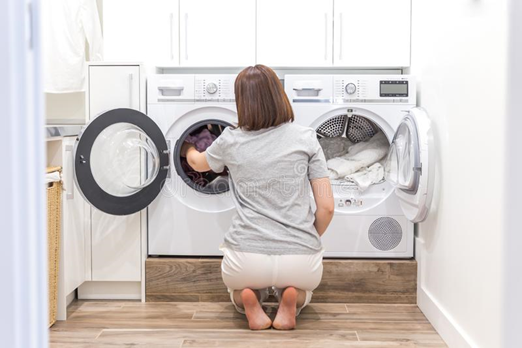
When configuring the Universal Design laundry room, provide a clear five foot turning radius directly in front of the washer and dryer for approaching both machines. If the laundry room is large enough, a 30 x 48 inch approach area is associated with the machines as with all appliances. This configuration is also used if the machines are in a closet. A useful detail for either situation is to have machines provided with opposite swing doors both opening from the middle. This way a person is between the machines with access to both for sorting clothes at the same time. Otherwise one machine door becomes an architectural barrier for anyone in a wheelchair.
A larger laundry room has both natural and layered lighting. A window is so important in the heat gaining laundry for additional ventilation during certain times of the year and providing natural light for working. Along with an AC duct, install a vented exhaust fan in the laundry decreasing humidity as it becomes a problem. As with any Aging in Place designs, well-lit rooms are much easier to work in for everyone. Additional task lighting is installed wherever needed like underneath wall cabinets.
To gain entrance to the laundry room, a minimum 36” door coming off the accessible route is required. A five foot clear turning radius in the middle of the room offers clear approaches to the sink, machines, ironing and hanging facilities. Pocket or barn doors are a great choice for a laundry entrance requiring no planning for their swing or the space needed when they are opened. Laundry activities are loud at times so plan for deadening them with the door choice. The laundry room needs ample room in order to approach and maneuver. Accessible and adequate storage is a major consideration. Just like in the kitchen, a laundry sink has roll under capability for a wheelchair user. The sink has an associated 30 x 48 inch clear area in front for approach in the layout. The faucet is an easily operated accessible pull out model and the cabinet top is installed at a universal 34 inch height. Here again, multiple height cabinet tops work well in different areas of the room. Additional cabinets and adjustable shelving are placed as space permits using universal heights and reach distances. A fold down clothes folding shelf is great as needed with roll under capability. When not in use it is folded away against the wall gaining back the original floor space.
Racks and shelving are installed for hanging and sorting clothes. Keep in mind the 48 inch reach limit for a seated person. Ironing clothes is a usual chore with the laundry but ironing boards are always in the way no matter where they are assembled. To solve this problem, install an adjustable fold up model which is also rolled under. When not in use the ironing board is stored in the accompanying wall cabinet regaining the floor space. These ironing board units are available with a separate electrical outlet inside for the iron preventing running extension cords creating trip hazards. There are also folding ironing board drawer units which are installed in a base cabinet or below a work top. The drawback with these units is the lack of flexibility since they are installed at a fixed location and height.

Tags:
barrier free access,
aging in place remodeling,
aging in place home improvements in Austin,
Universal Design,,
Remodel kitchen,
Austin kitchen remodel,
aging in place services,
home modifications Austin, Texas,
accessibility remodelers in Austin,
home modifications for independent living Austin,
universal design ideas,
Austin Accessibility Design,
certified aging in place consultant in Austin,
aging in place specialist in Austin,
home accessibility help in Austin,
home remodeling for disabled in Austin Texas,
universal design kitchen ideas,
universal design remodeling contractor,
universal design building contractor,
7 principles of universal design,
principles of universal design,
applying principles of universal design in Austin,
disability access contractor,
home remodeling contractor residential,
home access,
universal design/build contractor,
universal design vs. aging in place,
universal design contractor,
what is universal design in Austin,
accessible housing,
accessible homes in austin,
universal design techniques,
accessibility home modifications,
wheelchair access,
applying universal design,
universal kitchen design,
the universal design laundry,
barrier free laundry
A Universal Design approach to kitchen conception takes into account people’s varying degrees of ability and disability rather than someone is either fully-functional or disabled. The diversity among the users of the kitchen includes size, age and agility. The kitchen represents the family hub, and for the designated cook of the day, it is where many hours are spent caring for the family. A Universally Designed kitchen supports the diversity of all cooks, users, and helpers. With the additional cooks like granny or the kids, the kitchen no longer adequately accommodates everyone’s participation and changes need to be made. This is especially noticeable once families decide to help each other and become multi-generational. Enlarged work spaces, larger passing areas, accessible work surfaces, storage within universal reach distances, accessible appliances, and flexible and layered lighting are a few of the inclusive changes for the kitchen. A cohesive blend of universal functionality for the abled and disabled with conventional convenience aspects for other family members is the goal guaranteeing a successful and accessible Universal Design kitchen for any home.
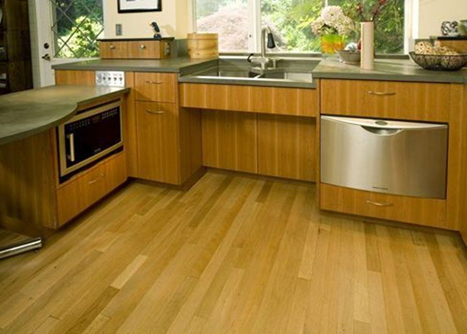
Homes with wheelchair accessible kitchens representing a by-product of Universal Design are a predictable necessity for the ever aging population. With the right layout, it is possible to make a home for maintaining the quality of life of the homeowners with disabilities while helping them live a more healthy, safe, and independent life. Kitchens with architectural barrier free layouts are more functional for everyone involved especially when mobility devices are required. Universal Design techniques give everyone a chance for equal independence. These very basic techniques provide adaptations or specialized designs regardless of age, ability, or situation.
In Universal Design kitchens, the work areas containing the sink and cook top have the capability of moving up and down with the touch of a button further accommodating the seated user or a helpful child. Cleaning is easier because of the adjustable height work and storage areas. When planning a Universal Design kitchen for anyone, every aspect of the space is considered from the cabinet height to the accessibility of appliances, to the space between cabinets and walls or islands. The principles of Universal Design call for the space to be functional and accessible for everyone in the household. This includes older homeowners with mobility or sight issues, as well as younger members of the family.

Layout and flow is especially considered when planning a Universal Design kitchen space. To promote functionality for all occupants, it is vital to consider every aspect of the design including doors, traffic patterns, and workstations. The universally designed accessible kitchen is one of usability. People need roll under capability at the sink and at least one food prep area if nowhere else. A clear floor space of 30 x 48 inches is provided in front of each accessible appliance and these areas of approach can overlap especially at the clear 5 foot turning radius. Raised dishwashers offer easier access to dishes and lowered microwaves and other appliances solve other reach distance problems making it easier to live with a disability.

Tags:
kitchen makeovers,
ADA accessible,
accessible routes,
barrier free access,
aging in place home modifications,
wheelchair accessible baths and kitchens,
handicap home modifications,
accessible home remodeling,
aging in place specialist,
disability home modifications in Austin,
kitchen cabinets Austin,
handicap home modifications for disabled,
ADA remodeling Austin, Texas,
accessibility designs Austin Texas,
kitchen cabinet remodel Austin, Texas,
Austin kitchen cabinets,
disability access bathrooms Austin,
disability remodeling in Austin,
universal design/build,
universal design ideas,
universal design/build ideas,
Austin accessible home remodeling,
universal design building for a lifetime,
home accessibility help in Austin,
wheelchair accessible home remodeling in Austin,
kitchen remodel near me,
kitchen remodeling company in Austin Texas,
universal design remodeling contractor,
universal design principles,
universal principles of design,
applying principles of universal design in Austin,
accessible home remodeling for disabilities,
home access,
accessible homes,
home access in Austin,
universal design techniques,
accessibility home modifications,
wheelchair accessible homes,
universal home design in Austin,
universal kitchen design,
wheelchair accessible kitchens,
universal design kitchen,
barrier free kitchens,
disability access kitchens
Accessible bedrooms are important for people with or without disabilities and for anyone planning to Age in Place. A functional accessible bedroom involves basic Universal Design principles to accommodate future needs. This endeavor ensures access to everyone regardless of their age, abilities, or size. Using Universal Design in the bedroom guarantees everything is easy to see, in reach, and most importantly, easy to approach. Going from the bathroom to the bedroom involves the shortest distance allowed without turns if possible. Traveling from the accessible bedroom through a 36 inch wide door provides access into the designated accessible bathroom. The size of the targeted bedroom dictates the furniture layout. Determine the best furniture placement allowing a clear five foot turning radius inside the bedroom.
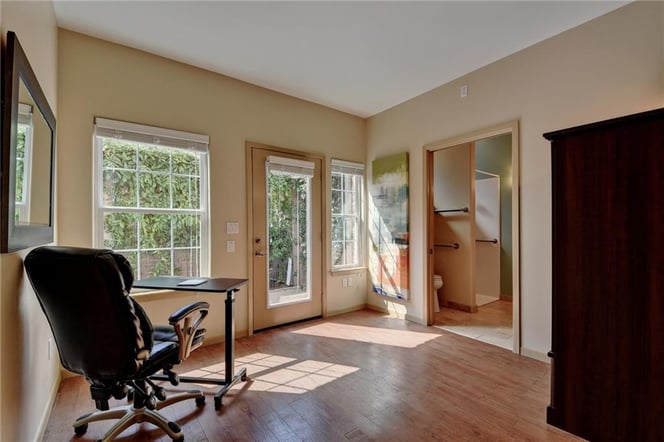
Arrange furniture producing a clear unobstructed 36 inch wide path and prevent clutter. Visualize moving around in the bedroom while approaching the closet utilizing a 30 x 48 inch clear space overlapping with the turning radius area. Always avoid clutter using too much furniture causing interference and trip hazards.
The closet and dressing area are part of the bedroom. When feasible, open shelf and drawer storage for non-hanging items provide the greatest accessibility in the closet. Built in pull out shelves and drawers are installed below the 48 inch rod/shelf location for specific storage. Fixed shelves or a pull down rod is installed as a storage solution above the 48 inch rod/shelf. Clothes carousels and automated shoe storage units provide further options for the closet. Automated shoe storage units provide an option to regular stationary shoe storage providing greater storage capacity. In any good Universal Design bedroom the lighting, color finishes, and flooring are specified correctly ensuring increased safety and ease of use concerning everyone using the bedroom. The end result is functional and beautiful as well as spacious creating a feeling of openness.
Tags:
barrier free access,
aging in place remodeling,
aging in place services,
disability home modifications in Austin,
home modifications Austin, Texas,
accessibility designs Austin Texas,
home modifications for independent living Austin,
universal design/build,
universal design ideas,
universal design/build ideas,
aging in place specialist in Austin,
home modifications for children with disabilities,
universal designbuilding for the future,
home accessibility help in Austin,
universal design remodeling contractor,
universal design building contractor,
universal principles of design,
applying principles of universal design in Austin,
special needs contractor in Austin,
barrier free remodeling,
handicap accessible home modifications,
disability remodeling,
veterans home remodeling in Austin, Texas,
home access,
universal design/build contractor,
universal design contractor,
home accessibility,
accessible design,
what is universal design in Austin,
accessible housing,
accessible homes in austin,
universal design techniques,
accessibility home modifications,
wheelchair access,
accessible home builder in Austin,
disability renovation services in Austin Texas,
applying universal design,
Universal Design Bedroom
Including Universal Design ideas when periodically remodeling anywhere within the home and especially in the bathroom means the design personally fits a family for a longer period of time. Universal Design contains the natural ability to adapt with people. Many times, an existing bathroom’s layout is changed regarding fixture arrangement and orientation to increase efficiency. Remodeling an existing bathroom using Universal Design possibly involves changing the wall configuration for a more open feeling. Additional space is needed in the bathroom once caretakers providing assistance are required for aging adults or young children.
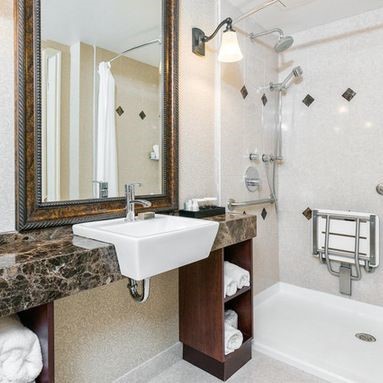
Modifying the bathroom following practiced wheelchair accessibility guidelines is a great place to start a Universal Design remodel in any home. The expanded clearances involved create a more comfortable and roomy environment for every family member. Universal Design principles provide access for the users of wheelchairs or walkers including everyone else including children. A functional, well organized, and attractive layout placing the items used in close proximity and within reach of the users meets the needs of most homeowners including children and aging adults. This includes people with limited mobility or impaired reach due to physical or medical conditions. The diversity of all people is accounted for. Therefore, it represents a perfect design concept for multi-generational households. Regarding the current multi-generational living environments there are varying participants of many ages with multiple sizes and abilities within the family group indicating the need for Universal Design’s use throughout the home. A major difference in these special family units is a better probability function and dexterity is negatively affected by a group member.
Planning for the future involving Universal Design principles is so important with any remodel for both now and in the future. Using Universal Design to remodel a bathroom space increases aesthetics, sustainability, usefulness, and safety while lending itself to privacy in a functional surrounding. Universal Design bathroom accessibility includes opening up the area with a clear five foot diameter in case a wheelchair is needed, adding grab bars or handrails throughout the home (or at least blocking for them for a later time when needed), adding a seat within a roll in shower, lowering upper cabinets and counter tops, providing an accessible comfort height toilet, offering at least one vanity sink with roll under capability, adding non-slip flooring, widening hallways, and widening doors. Privacy, sense of belonging, sense of control, and the feelings of safety and security make up the quality of life for any home and are considered for any successful Universal Design project. The reasons for embracing these ideas go beyond aging and disability. They include being an asset for children, is inviting to visitors, it promotes long term health and wellness, works well for seniors, all this paired with the fact it is smart and invisible.

Designing task oriented bathroom fixture locations takes into account their use, placement, or how they make up the bathroom environment. This defines the current way of thinking universally. A clear floor space of 30 by 48 inches is provided for approaching all bathroom fixtures. These areas can overlap one another and the five foot turning radius within the design. Always choose quality plumbing fixtures and fittings easily controlled using a single hand motion or a closed fist. Motion controlled sensor fixtures offering hands free operation are a possibility when specifying fixtures and finishes. Sometimes, the master bath today is one of the busiest rooms in the home. It has the potential of becoming the family bathroom. If young children are a part of the family, bath time transforms the bathroom into a very busy and crowded area. If aging parents are visiting, they also need their time in the bathroom because it is a larger and safer space.

Tags:
wheelchair accessible remodeling,
handicap home modifications,
bathroom remodelshow-to,
handicap accessible bathrooms,
wheelchair accessible baths,
bathroom modifications for elderly,
disability home modifications in Austin,
bathroom renovations in Austin, Texas,
remodel bathroom for handicap Austin Texas,
handicap home modifications for disabled,
handicap accessibility,
handicap remodeling contractors,
disability home modifications,
wheelchair accessible showers in Austin,,
universal design ideas,
universal design/build ideas,
bathroom modifications for disabled in Austin, TX,
aging in place design in Austin,
home modifications for disabled children,
home modifications for children with disabilities,
home remodeling contractor near Austin, Texas,
universal design remodeling techniques,
bathrooms with disability access in Austin, Texas,
Austin disability contractors for special needs,
barrier free remodeling,
handicap remodeling,
handicap accessible bathroom remodeling,
handicap accessible home modifications,
disability remodeling,
roll in shower design for wheelchair access,
wheelchair accessible shower stalls,
roll in shower,
accessible bathroom design specifications,
wheelchair accessible toilets,
bathroom remodel contractor,
Austin home remodeling for disabled,
wheelchair accessible bathroom,
handicap bathroom requirements,
handicap bathroom accessories,
Universal Bathroom Design