Check out my building blog to learn more about construction for your home or office in Austin! David L. Traut, President, CAPS Certified (512)444-0097

Home Modifications for Seniors Austin |  Aging in Place Specialist

Posted byDavid L. Traut, CAPS on Tue, Jul 21, 2026 @ 12:07 PM

Austin Aging in Place Specialist David L. Traut has been helping Austin homeowners create safer, more accessible homes through expert home modifications, Universal Design, and aging in place solutions for over three decades.  Learn how thoughtful home modifications can help you remain independent and comfortable for years to come in your Forever Home.
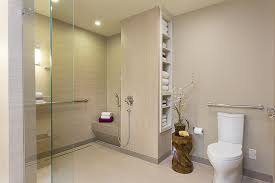
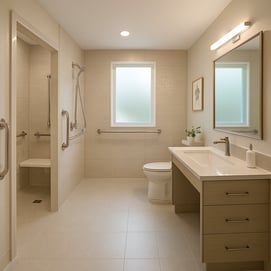
An asserssible aging in place bathroom with a roll in shower and accessible toilet 

Helping Seniors Live Safely, Comfortably, and Independently in the Home They Love

Most older adults share the same dream: staying in the home they've worked so hard to build. Home represents comfort, memories, independence, and familiarity. Unfortunately, most homes were never designed to accommodate the physical changes that naturally occur with aging.

The good news is that moving isn't always the answer.

Thoughtfully planned home modifications can transform an existing house into a safer, more accessible forever home while preserving its beauty and character.

At T-Square Company, we have spent more than 30 years helping homeowners throughout Austin and Central Texas make practical improvements that allow them to remain independent, reduce the risk of falls, and enjoy a higher quality of life.

Why Home Modifications Matter

Every year, millions of older adults are injured by falls inside their own homes. Many of these accidents occur in familiar spaces that homeowners navigate every day—bathrooms, stairways, kitchens, and entrances.

Fortunately, many of these risks can be greatly reduced through proactive planning.

Common modifications include:

  • Barrier-free showers
  • Professionally installed grab bars
  • Improved lighting throughout the home
  • Slip-resistant flooring
  • Wider doorways for walkers and wheelchairs
  • Accessible kitchen layouts
  • Lever-style door hardware
  • Zero-step entries
  • Handrails and stair safety improvements
  • Smart home technology that supports independence

Many homeowners are surprised to learn that relatively small changes can make a tremendous difference in both safety and daily comfort.

Planning Before a Crisis

One of the biggest mistakes families make is waiting until after a fall, hospitalization, or medical diagnosis before making changes.

The most successful aging-in-place projects begin long before they're actually needed.

Thoughtful planning provides more options, allows projects to be completed gradually, minimizes stress, and often costs less than emergency remodeling after an accident.

Proactive planning gives homeowners the freedom to make thoughtful decisions instead of rushed ones.

Helping Adult Children Protect Their Parents

Often, it isn't the older homeowner who first reaches out—it's an adult son or daughter.

Many families begin noticing small warning signs, such as difficulty climbing stairs, trouble stepping into the bathtub, increased concerns about falling, poor lighting, narrow doorways, and mobility changes after surgery or illness.

Adult children frequently ask, "Is Mom's home still safe?" or "How can Dad continue living independently?"

These conversations can be emotional. Our goal is to provide practical solutions that preserve dignity while giving families greater peace of mind.

Why Choose David L. Traut, CAPS?

Not all remodeling contractors specialize in accessibility.

David L. Traut, CAPS, has dedicated more than three decades to designing homes that support safety, independence, and lifelong living. As President of T-Square Company and a Certified Aging-in-Place Specialist (CAPS), David combines extensive remodeling experience with specialized training in Universal Design and accessibility. David is a founding member of the National Aging in Place Council (NAIPC).

He is also the award-winning author of Age in Place at Home: Adapting the Home Environment for All Generations, helping homeowners across the country better understand how thoughtful design can improve safety without sacrificing comfort or beauty.

Rather than offering one-size-fits-all solutions, David carefully evaluates each home, listens to each family's goals, and develops customized recommendations that fit both current needs and future plans.

Universal Design Benefits Everyone

One of the greatest misconceptions about accessibility is that it makes a home look institutional.

Today's Universal Design features are attractive, functional, and seamlessly integrated into the home's architecture.

Many improvements benefit everyone who lives in the home—not just older adults—including grandchildren, guests, individuals recovering from surgery, and homeowners planning for the future.

Good design simply makes life easier.

Begin Planning Today

The best time to make your home safer is before you need it.

Whether you're planning for retirement, helping aging parents, recovering from an injury, or simply preparing for the future, thoughtful home modifications can provide years of additional independence, confidence, and comfort.

At T-Square Company, we believe every homeowner deserves the opportunity to remain in the place they love for as long as possible.

If you're considering home modifications for yourself or someone you love, we'd be honored to help.

Schedule a professional Home Accessibility Assessment with David L. Traut, CAPS, and discover how simple changes today can help create a safer, more comfortable home for tomorrow.

Call T-Square Company today at (512) 444-0097 to schedule your professional consultation.

Certified Aging In Place Specialist


Tags: aging in place remodeling, CAPS, aging in place, Universal Design,, certified aging in place specialist, senior home modifications in Austin, home accessibility, forever home, David L. Traut, CAPS, independent living, T-Square Company, fall prevention, accessible remodeling, aging in place austin, home safety

Aging in Place Specialist | How Much Does It Cost To Age In Place?

Posted byDavid L. Traut, CAPS on Tue, Jul 14, 2026 @ 12:07 PM

Helping Austin Homeowners Stay Safe, Independent, and Comfortable at Home 

As we grow older, most of us want to remain in the homes we love. However, many homes were not designed to accommodate changing mobility, vision, balance, or health needs. These homes were built according to the status quo, but were never accessible.

For more than 30 years, I have helped homeowners throughout Austin and Central Texas create safer, more accessible living environments through thoughtful remodeling and Universal Design solutions. My goal is simple: help people maintain their independence, dignity, and quality of life while remaining in the home they cherish. 

David L. Traut is a certified Aging in Place Specialist

I am David L. Traut, CAPS,  an Accessibility Specialist, Universal Design Expert, award-winning author, and President of T-Square Company in Austin, Texas.  As a Certified Aging-in-Place Specialist (CAPS), I specialize in home modifications that improve safety, accessibility, comfort, and long-term livability.

Why Aging in Place Planning Matters

Many homeowners wait until after a fall, injury, or health crisis before considering home modifications. By preplanning, you can create a safer and more functional home that adapts to your needs over time.

Common improvements include barrier-free showers, grab bars (especially in the bathroom), wheelchair-accessible entrances, wider doorways and hallways, improved lighting and visibility, smart-home technology, accessible kitchens, stairway safety solutions, and future-ready universal design features.

These modifications not only increase safety but can help reduce stress for family members and caregivers while allowing homeowners to maintain greater independence. 

Award-Winning Author and Aging in Place Advocate

I am the author of the award-winning book Age in Place at Home: Adapting the Home Environment for All Generations,  which provides practical guidance for homeowners, caregivers, and families seeking solutions for aging in place.

My work combines real-world construction experience, accessibility expertise, and a commitment to helping people thrive safely and comfortably at home. I help homeowners answer questions like "How do I create a lifetime home accessibility plan?" and "How can I make my bathroom safer?"

Personalized Home Accessibility Assessments

Every home and every homeowner is different.

Whether you are planning for retirement, recovering from an injury, caring for a loved one, or seeking long-term accessibility solutions, I can evaluate your home's current layout and identify practical improvements that fit your needs and budget. Together, we can determine the answer to the questions "How can I age in place safely?" or "Should I remodel my home or move?"

Consultations are available virtually or in person throughout the Austin area.

Testimonial

 "David helped us transform our home so my husband could safely remain independent after surgery. The improvements blended beautifully with our home's design and gave our family tremendous peace of mind." — Austin Homeowner 

Schedule Your Aging in Place Consultation

If you want to remain safely and independently in your home for years to come, now is the best time to begin planning.

Call (512) 444-0097 to schedule an Aging in Place consultation and discover how thoughtful design can help you create a safer, more comfortable forever home.

My work is rooted in a simple but powerful idea: everyone deserves to live safely and independently in the home they love. From thoughtful design to practical solutions, David helps make that possible.

Certified Aging In Place Specialist


Tags: aging in place, certified aging in place specialist, Austin remodeling, universal design contractor, home accessibility, barrier free design, forever home, home accessibility remodeling, senior home safety, CAPS certified, fall prevention, aging in place austin

Typical Aging in Place Questions for Seniors | T-Square Company

Posted byDavid L. Traut, CAPS on Tue, Jul 07, 2026 @ 11:07 AM

Frequently Asked Questions

What is Aging in Place?

Aging in Place means living safely, comfortably, and independently in your own home regardless of age, income, or physical ability. Through thoughtful planning and home modifications, many people can remain in the homes they love for years longer.

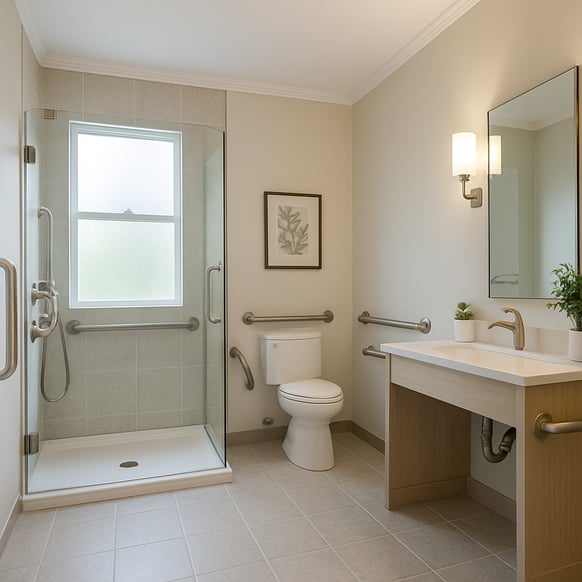
 A beautifully designed spacious bathroom that emphasizes accessibility and modern aesthetics The bathroom features wide doorways

When should I start planning?

Ideally, before a mobility-related health issue occurs, the most successful projects are proactive rather than reactive. Planning early gives homeowners more options, allows projects to be completed gradually, and often costs less than making emergency modifications after a fall or illness.

Can I make my home safer without making it look like a hospital?

Absolutely. Today's accessibility products are attractive, modern, and designed to blend into your home's decor. Universal design focuses on creating beautiful, functional spaces that everyone can enjoy, whether they are six or sixty years old.

What is a Certified Aging in Place Specialist (CAPS)?

A Certified Aging in Place Specialist (CAPS) has specialized training in designing and remodeling homes to improve accessibility, safety, and long-term independence. The designation combines technical construction knowledge with an understanding of the changing needs associated with aging.

What modifications provide the greatest benefit?

Every home is unique, but the bathroom is often the first place to address because it is where many serious falls occur. Improving safety doesn't always require a major remodel. Strategic upgrades such as brighter lighting, professionally installed grab bars, barrier-free shower entrances, slip-resistant flooring, wider doorways, lever-style door handles, accessible entrances, and the removal of common trip hazards can dramatically reduce the risk of injury while making daily activities easier and more comfortable.

Many of these improvements follow the principles of Universal Design, creating a home that is safer, more functional, and more appealing for people of all ages. By making thoughtful modifications before they're needed, homeowners can enjoy greater independence, peace of mind, and a higher quality of life while also enhancing the long-term value and livability of their home.

The best home modifications are the ones that blend seamlessly into your home—enhancing safety and independence without sacrificing comfort or beauty. 

Do I need to remodel my entire house?

Not necessarily. Many homeowners begin with one room, often the bathroom, or address specific safety concerns first. Improvements can be completed in phases as needs and budgets allow.

Can modifications increase home value?

Many Universal Design features appeal to homeowners of all ages, sizes, and abilities, and can improve marketability while increasing safety and convenience for a better resale appeal. Many features are so well integrated that visitors never notice they were designed for accessibility.

How much do Aging in Place modifications cost?

Costs vary depending on the scope of work. Some safety improvements cost only a few hundred dollars, while large remodeling projects are more expensive. A plan can be developed that fits your priorities and budget.

Can accessibility modifications be completed while I'm living at home?

In many cases, yes. Projects are carefully planned to minimize disruption whenever possible, allowing homeowners to remain comfortable during construction.

How long does an Aging in Place remodel take?

Smaller projects may be completed in just a fw days, while larger renovations can take several weeks depending on design, permitting, and material availability.

Do you only work with seniors?

No. Accessibility benefits everyone. Homeowners recovering from surgery, individuals with disabilities, children, veterans, people with temporary injuries, caregivers, and families planning for multigenerational living all benefit from Aging in Place designs and services.

What is the biggest mistake homeowners make?

Waiting too long. Many people begin planning after a fall or medical emergency. Making proactive improvements before a crisis occurs provides more choices, less stress, and better long-term outcomes.

Why choose T-Square Company?

With more than 30 years of design/build experience, T-Square Company specializes in practical, customized accessibility solutions and not one-size-fits-all remodeling. Every recommendation is based on your home, your lifestyle, and your long-term goals. David L. Traut, CAPS, the owner of T-Square Company, is a founding member of the National Aging in Place Council and certified in Universal Design.

How do I get started?

The first step is scheduling a professional assessment. During the consultation, we'll evaluate your home, discuss your goals, identify potential safety concerns, and develop a personalized plan to help you remain and independent for years to come. To keep you in budget, the modifications addressed can be done in phases.

Call T-Square Company today at (512)-444-0097 to schedule your consultation.

David L. Traut is an Award-Winning Author and Aging in Place Advocate.

David is the author of the award-winning book Age in Place at Home: Adapting the Home Environment for All Generations,  which provides practical guidance for homeowners, caregivers, and families seeking solutions for aging in place.

My work combines real-world construction experience, accessibility expertise, and a commitment to helping people thrive safely and comfortably at home.

Certified Aging In Place Specialist


Tags: aging in place, certified aging in place specialist, universal design/build, Austin remodeling, home accessibility, accessible design, forever home, home accessibility remodeling, home modifications, senior home safety, fall prevention, aging in place austin

National Aging in Place Council (NAIPC) ANOUNCEMENT-David L. Traut

Posted byDavid L. Traut, CAPS on Mon, May 25, 2026 @ 18:05 PM

What if your home could grow with you—supporting your independence, safety, and comfort at every stage of life?

For more than 30 years, David Traut has been helping families do exactly that. As a Certified Aging-in-Place Specialist (CAPS) and President of T-Square Company in Austin, he designs and remodels homes to remove barriers and create spaces that are both accessible and beautiful.

David’s work is rooted in a simple but powerful idea: everyone deserves to live safely and independently in the home they love. From thoughtful design to practical solutions, he helps make that possible.

He’s also the award-winning author of Age in Place at Home, where he shares guidance to help families plan with confidence.

Through his work with NAIPC, David is passionate about educating and supporting our community so more people can age in place with dignity.


For more information about David, check out his website at: https://www.tsquareco.com/home-remodeling-austin-austin-home-remodeling-bathroom-kitchen-remodels-in-austin-tx

Aging in Place Specialist David L. Traut

Let me assess your living situation to determine solutions for better home accessibility. We can accomplish this virtually or in person. Schedule an appointment today@ (512) 444-0097. We offer complete Aging in Place design/builds, consultations, and services.

Tags: aging in place, Universal Design,, certified aging in place specialist, home accessibility, home modifications, CAPS certified, T-Square Company, accessible remodeling, National Aging in Place Council, NAIPC

A Safe Bathroom Design For Seniors Aging in Place

Posted byDavid L. Traut, CAPS on Thu, Feb 05, 2026 @ 16:02 PM

 
 By David L. Traut – Certified Aging-in-Place Specialist (CAPS) and author of Age in Place at Home. A member of The National Aging in Place Council (NAIPC)

Designing a safe bathroom for seniors is one of the most critical steps in aging in place. As a certified Aging in Place Specialist (CAPS) with over 30 years of design/build experience, I very often identify the same recurring problems for my clients during a professional home assessment.  Bathrooms are small, hard-surfaced, often slippery, and account for a large percentage of falls and injuries among older adults.  The usual presence of water intensifies the danger. T-Square Company in Austin, Texas, offers complete aging in place services to allow its clients to increase their independence and accessibility.  Below is a comprehensive, professional breakdown of safe bathroom design features for seniors and those with mobility limitations.


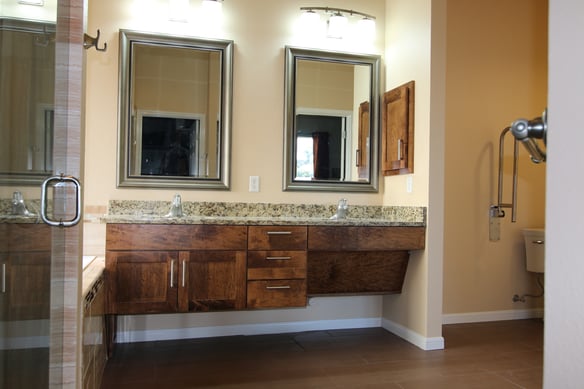
A customized combination roll-under and traditional vanity


 Safe Bathroom Design for Seniors: Key Elements

1. Zero-Threshold Walk-In Shower

  • Eliminate tubs or high shower curbs

  • No step-up entry for wheelchairs, walkers, or balance issues

  • Ensure a slip-resistant floor surface inside and outside the shower

  • Include a fold-down shower bench or space for a shower chair

  • Install a handheld showerhead on an adjustable slide bar

2. Grab Bars and Support Rails

  • Install secure grab bars in the following locations:

    • Next to the toilet

    • Inside the shower (vertical and horizontal)

    • Just outside the shower or tub for entry/exit

  • Choose ADA-compliant bars, ideally 1.25–1.5 inches in diameter

  • Ensure proper anchoring into wall studs or with appropriate mounts

3. Raised or Comfort-Height Toilet

  • A toilet height of 17–19 inches reduces strain when sitting or standing

  • Consider a toilet safety frame or grab bars nearby

  • Bidet attachments can also increase hygiene with less movement

4. Non-Slip Flooring

  • Use textured porcelain tile, rubber flooring, or vinyl with non-slip finish

  • Avoid small mosaic tile (too many grout lines) or polished stone

  • Use anti-slip mats or decals in and around wet areas

5. Widened Doorways and Open Layout

  • Minimum 32–36 inches wide to accommodate walkers or wheelchairs

  • Use lever-style handles on all doors and cabinetry (easier for arthritis)

  • Consider a pocket door or barn door to save space if needed

6. Smart Lighting and Visibility

  • Motion-activated night lights for nighttime navigation

  • Bright, even lighting with minimal shadows

  • Task lighting at sink/mirror for grooming

  • Rocker light switches or smart voice-controlled lights for accessibility

7. Sink and Vanity Adjustments

  • Wall-mounted or roll-under sink for seated use or wheelchair access

  • Rounded corners on counters to reduce injury from falls

  • Anti-scald valves or temperature-limiting faucets to prevent burns

  • Single-lever faucets for easier control

8. Ventilation and Temperature Control

  • Proper exhaust fan to reduce moisture and prevent mold

  • Heated flooring or radiant heat to reduce slipping and increase comfort

  • Consider thermostatic controls to prevent water temperature spikes

9. Emergency Access and Communication

  • Ensure doors open outward or use a removable hinge pin (in case of a fall)

  • Install a call button or voice assistant (e.g., Alexa) for emergencies

  • Place a phone or communication device within reach if needed

Certified Aging In Place Specialist


For a more detailed roadmap to aging in place, including comprehensive home modification checklists and design tips, please take a look at Age in Place at Home: Adapting the Home Environment for All Generations. In my book, I delve deeper into making your home safe and comfortable for every stage of life, blending professional recommendations with practical advice. Aging in place is about preserving the comfort, dignity, and familiarity of your home — with the right preparations, you really can stay in the place you love as long as possible.

Tags: aging in place, certified aging in place specialist, senior home modifications in Austin, ADA compliant roll in showers, ADA Compliant Bathroom Vanity, Age in Place at Home, safe bathroom design for seniors, David L. Traut, CAPS, age in place at home (book tag), fall prevention for seniors, home remodeling for seniors, bathroom safety for seniors, senior friendly bathroom features, home safety for older adults, accessible bathroom design, bathroom remodeling for aging in place, T-Square Company Austin, National Aging in Place Council NAIPC, Universal Design for seniors

Aging in Place: Frequent Questions and First Steps for Home Safety

Posted byDavid L. Traut, CAPS on Wed, Jan 28, 2026 @ 13:01 PM


David L. Traut, the owner of T-Square Company located in Austin, Texas, is a Certified Aging-in-Place Specialist (CAPS) and author of the award-winning book Age in Place at Home: Adapting the Home Environment for All Generations(2022). David is also a standing member of The National Aging in Place Council and the NAHB. 

As a CAPS-certified home remodeler with over 30 years of experience adapting houses for safer senior living, I often hear the same question from older adults and their families: “How can I make my home safe so I can stay here as long as possible?” In fact, this is the most frequently asked question among those planning to age in place. It appears in many forms, but no matter how it’s phrased, the heart of the concern is the same – ensuring the home is safe and accessible for the long term.

Why Home Safety Is the Top Concern for Aging in Place

Home safety is the foundation of successful aging in place. Falls are the leading cause of serious injury for older Americans, so it’s no surprise that safety modifications are a top priority. Unsafe layouts, cluttered pathways, poor lighting, and inaccessible bathrooms can quickly turn a beloved home into a hazardous place. In fact, common home hazards like clutter, dim lighting, and lack of supports (e.g., grab bars) greatly increase the risk of falls. Since falls can lead to broken bones or hospitalizations, eliminating these dangers is critical for independent living. Simply put, if your home isn’t safe, it won’t matter how much you want to stay there – safety is non-negotiable for aging in place. It’s no surprise that questions about preventing falls and modifying the home for safety are the most common starting point.

Introduction

Aging in place – choosing to live in your own home safely and independently as you get older – comes with many questions. As a CAPS-certified professional, I often hear one question more than any other from older adults and their families: “How can I make my home safe so I can stay here as long as possible?” This broad concern appears in many forms, such as:

  • “What home modifications do I need to live in my home safely?”

  • “How can I prevent falls?”

  • “What changes should I make in my house to stay independent?”

These all boil down to making the home environment as safe and accessible as possible for the long term, while defining the home most people want and desire.

The image showcases a modern accessible bathroom designed for aging in place The room features a spacious layout with a barrier-free shower

Other Frequently Asked Questions about Aging in Place

Beyond general home safety, people have many other questions when deciding whether they can age in place. Here are some of the most common questions I’m asked, along with brief answers:

  • How do I know if aging in place is realistic for me? – Start by taking an honest look at your personal situation. Assess your current health, mobility, finances, and support network. Do you have any chronic conditions or mobility issues that might worsen over time? Can your budget cover home modifications or in-home care if needed? Do you have family, friends, or community services nearby to help if you need assistance? Answering these questions will help determine if living at home long-term is a safe and practical option.

  • What home modifications are essential, and how much will they cost? – Certain modifications are considered “must-haves” for safety. These typically include installing grab bars in bathrooms, converting tubs to walk-in showers, adding wheelchair ramps or zero-step entries, improving lighting (especially in hallways and stairways), and possibly incorporating smart-home technology (like voice-activated assistants or automated sensors). The cost can vary widely depending on your home’s existing layout and condition. Small changes like grab bars and lighting are relatively inexpensive, whereas major renovations (like a bathroom remodel for accessibility) will cost more. It’s wise to get an assessment from a CAPS professional who can give you specific cost estimates for your situation.

  • What services are available to help me stay at home? – Aging in place doesn’t mean doing everything on your own. There are many services to support seniors living at home. For example, in-home caregiving services can assist with daily activities or personal care. Meal delivery programs or grocery delivery can ensure you’re eating well without needing to shop and cook every day. Transportation services or senior shuttles can help you get to appointments if you no longer drive. Telehealth services allow you to consult with doctors remotely. Even medication management apps or services can help you organize your prescriptions. Tap into local community resources, nonprofit organizations, or senior centers – they often have lists of reliable services for everything from home maintenance to companionship.

  • How can I prepare financially to live at home long-term? – Budgeting for aging in place is essential. You’ll need to account for home modification costs, ongoing maintenance, and potential in-home care or medical expenses over time. Review your insurance to see if it covers any home health care or equipment. Look into programs or grants for seniors that help fund home modifications (some communities have grants for installing ramps or safety features). It’s also wise to set aside an emergency fund for unexpected repairs (like an HVAC replacement or a new roof) so that home upkeep doesn’t become overwhelming. Consulting a financial planner who has experience with elder care planning can provide personalized guidance. The key is to plan early, so you aren’t caught off guard by expenses later.

  • What technology can help me stay independent? – Technology is a great ally for aging in place. Medical alert systems (wearable devices or home units that can call for help at the press of a button) provide peace of mind in case of falls or emergencies. Smart sensors can detect things like smoke, carbon monoxide, or even monitor if a fridge has been opened (useful for tracking daily routines). Video doorbells let you see who’s at the door without getting up, enhancing security. Voice-activated assistants (like Alexa or Google Home) can control lights, thermostats, make calls, or even remind you to take medications. Many of these technologies are relatively affordable and user-friendly, and they can significantly boost safety and independence.

  • How do I maintain social connections and avoid isolation? – Loneliness is a common issue for seniors living at home, but there are ways to stay connected. First, make use of community programs – many neighborhoods, senior centers, or faith organizations host regular gatherings, classes, or social events for older adults. Take advantage of transportation services if driving is an issue, so you can attend events or simply meet friends for lunch. Embrace technology for communication: learn to use video calling (Zoom, FaceTime) to regularly chat with family and friends who might not live nearby. Some communities have telephone check-in programs or friendly visitor programs, where volunteers call or visit seniors weekly. The key is to be proactive – schedule social activities on your calendar just as you would medical appointments, so you make socializing a priority. Maintaining those human connections will greatly improve your quality of life as you age in place.

First Steps to Take (Beyond Contacting a Seasoned CAPS Professional)

Once you’ve decided to pursue aging in place, where should you begin? Aside from consulting a Certified Aging-in-Place Specialist for professional guidance, here are eight first steps you can take on your own to get the ball rolling:

  1. Self-Assess Your Personal Needs: Consider your daily routines and challenges. Do you struggle to climb stairs or step over the bathtub? Is it getting harder to carry laundry up from the basement? Identify what tasks or home features are becoming difficult – this will guide which modifications are most urgent. Also, list any health conditions or mobility issues you have, as these will influence your needs (e.g., arthritis might make turning doorknobs painful, suggesting a need for lever-style handles).

  2. Evaluate Your Home’s Safety: Do a walkthrough of your home with a critical eye (and ideally, a checklist). Look for hazards like loose throw rugs, clutter on the floor, poor lighting in hallways, lack of grab bars in the bathroom, or uneven thresholds that could cause trips. Check if stair railings are sturdy. Imagine navigating your home using a walker or wheelchair – what obstacles would you encounter? This evaluation will highlight what needs to be fixed or changed for better safety.

  3. Prioritize Fall Prevention: Falls are a major threat, so prioritize changes that reduce fall risk. This might include installing better lighting (especially night lights for halls and bathrooms), improving flooring (no slick surfaces; consider non-slip coatings or low-pile carpeting), and adding support bars or railings where needed. If you have stairs, think about options like stair lifts or creating a living space on the first floor in the future. Rank your list of fall hazards and tackle the most dangerous ones first.

  4. Build a Support Plan: Successful aging in place often “takes a village.” Outline who can help you and in what ways. This support plan might include family members, neighbors, or friends who can check in regularly or assist with errands. It also includes professional services – for example, knowing which home care agency you would call if you needed help with personal care, or which handyman service you trust for home repairs. Having a support network and resources identified in advance will make it easier to get help when you need it.

  5. Plan for Long-Term Home Modifications: Some modifications are urgent (like preventing falls), but it’s wise to also plan for the future. Consider what you might need 5, 10, or 15 years down the road. If you’re healthy now but have a progressive condition, anticipate those changes. Long-term plans might include remodeling a bathroom for wheelchair accessibility, widening doorways, or even relocating a bedroom to the ground floor. You don’t have to do these big projects immediately, but start researching costs and options. Having a roadmap will help you budget and avoid crisis renovations later.

  6. Review Financial Options: Take a close look at your finances and see how you can fund your aging-in-place plan. If modifications are needed, will you use savings, or are there loans/grants available? Investigate programs like HUD’s home repair grants, VA benefits (for veterans, there are sometimes funds for home accessibility), or local nonprofit grants for seniors. Also consider long-term care insurance or reverse mortgages as tools that some use to finance aging in place (each comes with pros and cons, so possibly consult a financial advisor). The goal is to ensure you can afford the help and changes you’ll require over time.

  7. Communicate Your Plan to Family: It’s important to let your close family or loved ones know about your wishes and plans. Sit down with them to discuss that you intend to age in place, what modifications you plan to make, and how they might support you. This conversation is key to managing expectations – for instance, if you ever need assistance, your family will already know your preference is to receive help at home rather than move to a facility. Clear communication now can prevent misunderstandings or conflicts later, and you may find family members are eager to help once they understand your plan.

  8. Start with Easy, Affordable Improvements: Don’t wait for a perfect time or huge budget to begin; some changes can start right away. By tackling a few small fixes now, you build momentum and immediately improve safety.

Start with Small, Quick Wins for Safety

To get momentum going, begin with simple, low-cost improvements that make your home safer immediately. These “quick wins” not only reduce hazards right away, but also give you a sense of accomplishment as you kickstart your larger aging-in-place plan. Here are a few easy improvements to consider:

  • Brighten the Lighting: Add LED light bulbs or battery-powered stick-on lights in dim areas. One popular trick is using LED rope lights along hallways,  stairs, or for outlining cabinet kick panels along the floor to clearly illuminate pathways at night.  Remember, good lighting helps prevent trips and falls. Place night lights in key areas like bedrooms, hallways, entryways, and bathrooms. Motion-activated night lights will automatically illuminate these areas if you get up during the night, so you don’t have to fumble for switches in the dark.

  • Secure or Remove Throw Rugs: Throw rugs can be slip and trip hazards. Remove small area rugs altogether, or if you really want to keep a rug, use double-sided carpet tape or non-slip backing to firmly secure it to the floor. Also, tape down any curled carpet edges. This eliminates one of the most common fall triggers in homes.

  • Install Grab Bars in the Bathroom: Bathrooms are a high-risk area for falls due to wet, slippery surfaces. Install grab bars near the toilet and inside the tub or shower. Don’t wait until you need them – put them in now so you and your guests have extra support. There are many styles available that look nice, but not institutional,  and can be installed without a major remodel. If drilling into tile is a concern, there are even some clamp-on bars for tubs (just ensure any product you use is sturdy and well-reviewed for safety).

  • Simplify Showering: Consider adding a handheld showerhead on an adjustable slide bar. This allows you to shower while seated (if you use a shower chair or bench) and adjust the height easily. It’s a cheap upgrade that makes bathing easier and safer. Also, ensure non-slip mats or stick-on traction decals are on the tub/shower floor to prevent slipping.

  • Declutter Pathways: Walk through your home and clear all pathways to be at least 36 inches wide (this width is ideal for walkers or wheelchairs, and also just safer for everyone). Remove any unnecessary furniture or clutter from hallways and high-traffic areas. Remove or rearrange any furniture that blocks pathways. Not only does this help prevent tripping, but it also makes the home feel more open and navigable. The goal is to have clear, wide walking paths from room to room. This will not only reduce fall risk but also make it easier should you ever need to use a mobility aid. 

  • Swap Doorknobs for Levers: Lever-style door handles are much easier to operate, especially if you have any grip weakness or arthritis. Unlike round knobs that require twisting, levers you can push down with minimal effort (even with an elbow if your hands are full). Replacing a few key doorknobs (like the front door, bedroom, and bathroom) with lever handles is a quick project that can make daily life easier.

These inexpensive steps offer immediate safety benefits and set the stage for more involved modifications down the line. By making a few quick changes now – better lighting, removing tripping hazards, adding basic supports – you create a safer home while you plan larger projects. Each small victory not only reduces your current risk but also builds confidence that you can adapt your home successfully.

Moving Forward

Aging in place is a journey, and every journey starts with a first step. Aging in place is absolutely achievable with thoughtful planning and proactive changes.  By asking the right questions and taking proactive measures like the ones above, you are empowering yourself to live safely and independently in the home you love. Remember that aging in place doesn’t mean doing it alone – use the expertise of professionals (like CAPS remodelers, medical providers, and financial advisors), and lean on community services and loved ones for support. By addressing home safety, leveraging support services and technology, and communicating with your family, you can create a living situation that supports your independence for years to come. Remember that you don’t have to do everything overnight – start small and build on each success.  With a solid plan and the right home environment, you truly can “age in place at home".

For a more detailed roadmap to aging in place, including comprehensive home modification checklists and design tips, take a look at Age in Place at Home: Adapting the Home Environment for All Generations. In my book, I delve deeper into making your home safe and comfortable for every stage of life, blending professional recommendations with practical advice. Aging in place is about preserving the comfort, dignity, and familiarity of your home — with the right preparations, you really can stay in the place you love as long as possible.


 Certified Aging In Place Specialist 


Tags: aging in place home modifications, aging in place, certified aging in place specialist, home accessibility, home safety for seniors, elder home design, senior living at home, senior home remodeling, stay at home senior planning, David L. Traut, CAPS, age in place at home (book tag), Independent living for seniors, smart home technology for aging, aging in place checklist, fall prevention for seniors

To Modify or Move: Consult with a Certified Aging in Place Specialist

Posted byDavid L. Traut, CAPS on Tue, Jan 13, 2026 @ 13:01 PM


MODIFYING YOUR CURRENT HOME FOR AGING IN PLACE: Should You Stay or Should You Move?


When In Doubt, Always Consult with a Certified Aging in Place Specialist in Your Area.


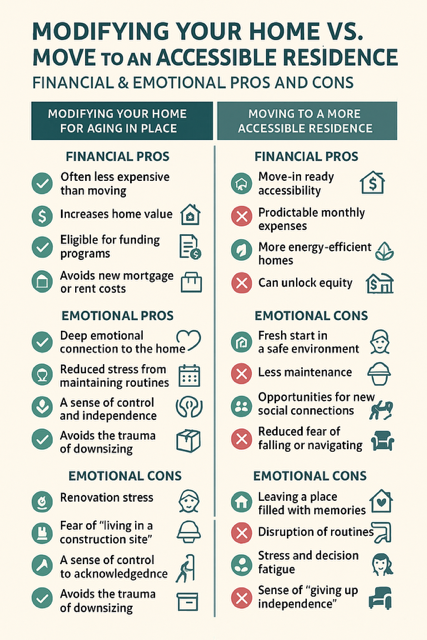
modify your home to age in place or move graphic


WHEN DECIDING TO MODIFY YOUR HOME


Financial Pros

  • Often less expensive than moving
    Many accessibility upgrades—grab bars, curbless showers, widened doors, ramps, and lighting upgrades—cost far less than the combined cost of selling a home, purchasing another, and moving.

  • Increases home value
    Aging-in-place features and Universal Design elements make the home appealing to a growing demographic of older buyers.

  • Eligible for funding programs
    Local grants, tax credits, VA programs, and long-term care insurance may cover certain home modifications.

  • Avoids new mortgage or rent costs
    Particularly powerful for homeowners with a paid-off home, modifications protect financial stability.

Financial Cons

  • High upfront costs for major renovations
    Structural changes—bathroom expansions, foundation adjustments, lifts, or extensive electrical work—can cost tens of thousands.

  • Unexpected issues in older homes
    Hidden plumbing, mold, electrical, or foundation problems can add surprise expenses.

  • Limited return on investment if poorly designed
    Non-professional or temporary fixes may not add value and can require re-work later.


Emotional Pros

  • Deep emotional connection to the home
    People feel grounded in familiar surroundings filled with memories, traditions, and comfort.

  • Reduced stress from maintaining routines
    Same neighbors, same grocery store, same church… minimal disruption.

  • A sense of control and independence
    Modifying your environment supports dignity and self-reliance.

  • Avoids the trauma of downsizing
    Keeping belongings and sentimental items reduces emotional strain.

Emotional Cons

  • Renovation stress
    Noise, dust, delays, and disruptions can be overwhelming—especially for older adults.

  • Fear of “living in a construction site.”
    Some people experience anxiety about change or giving up control of their home.

  • Emotional resistance to acknowledging decline
    Accepting modifications like grab bars can feel like admitting vulnerability.


🏡 MOVING TO A MORE ACCESSIBLE RESIDENCE

Financial Pros

  • Move-in ready accessibility
    Certified accessible homes, senior-friendly apartments, or modern new builds can minimize renovation costs.

  • Predictable monthly expenses
    Especially in 55+ communities or accessible rentals where maintenance is included.

  • More energy-efficient homes
    Lower utility bills, smart-home systems, and modern construction reduce long-term costs.

  • Can unlock equity
    Selling a high-value home may free up cash for retirement, caregiving, or medical expenses.

Financial Cons

  • High costs of moving
    Realtor fees, packing, movers, new furnishings, deposits, and closing costs add up quickly.

  • Accessible homes can be scarce and expensive
    Fully barrier-free homes are not widely available—especially in desirable neighborhoods.

  • Recurring HOA, rent, or community fees
    Some 55+ or accessible communities have costly monthly dues.

  • Loss of property tax advantage
    Moving may eliminate caps or senior exemptions tied to the original property.


Emotional Pros

  • Fresh start in a safe environment
    A new home designed for accessibility can offer peace of mind and renewed confidence.

  • Less maintenance
    Especially appealing for older adults tired of repairs, yard work, or upkeep.

  • Opportunities for new social connections
    Many communities offer activities, wellness programs, and built-in support.

  • Reduced fear of falling or navigating unsafe spaces
    Purpose-built accessibility improves daily comfort.

Emotional Cons

  • Leaving a place filled with memories
    For many, it feels like losing a part of their identity.

  • Disruption of routines and community
    Friends, neighbors, doctors, and landmarks change all at once.

  • Stress and decision fatigue
    Packing, downsizing, and touring homes can be emotionally draining.

  • Sense of “giving up independence.”
    Some older adults perceive the move as a loss of autonomy.


🎯 The Bottom Line


Modifying is best when the home has a good layout, strong structural integrity, and emotional attachment is high.
Moving is best when the current home cannot be safely or affordably adapted—or when a fresh start brings more peace than renovation.


“Should You Stay and Modify, or Should You Move? A Quick Decision Checklist.”


 Quick Decision Checklist

Use this checklist to help determine whether staying in your current home—or moving to a more accessible one—is the safest, most practical, and most emotionally supportive choice.


1. Safety & Accessibility

Is your current home safe to navigate today?

  • ☐ I can enter and exit the home without difficulty

  • ☐ Hallways, bathrooms, and doorways are wide enough

  • ☐ I can shower/bathe safely

  • ☐ Lighting is adequate and glare-free

  • ☐ Stairs, steps, or thresholds are becoming difficult

  • ☐ I have had a recent fall or near-fall

If several boxes are unchecked → Consider moving or modifying.


🏗️ 2. Feasibility of Modifications

Can your current home be realistically and affordably adapted?

  • ☐ Bathrooms can be expanded or remodeled

  • ☐ A curbless shower can be installed

  • ☐ Ramps or lifts are possible in the current layout

  • ☐ The home has space for a main-level bedroom

  • ☐ Structural limitations are minimal

  • ☐ Estimated costs are within budget

If modifications are extensive or require major structural changes → Moving may be more practical.


💰 3. Financial Considerations

Which option best supports long-term financial stability?

  • ☐ My home is paid off or affordable to maintain

  • ☐ Renovation costs are manageable

  • ☐ Moving costs (closing, commissions, deposits) are acceptable

  • ☐ A new accessible home is within my price range

  • ☐ Monthly HOA or rental fees are reasonable

  • ☐ My current home has strong resale value

If renovation costs exceed 30–40% of the home’s value → Moving may be the financially smarter choice.


❤️ 4. Emotional Well-Being

How do you feel about staying vs. moving?

  • ☐ I feel deeply attached to the home and neighborhood

  • ☐ I enjoy my routines, neighbors, and surroundings

  • ☐ The idea of moving feels stressful or overwhelming

  • ☐ I feel excited at the thought of a fresh, safe, low-maintenance home

  • ☐ Downsizing feels manageable

  • ☐ Staying brings me comfort and stability

If staying contributes to emotional stability → Modifying may be better.
If staying causes daily stress or fear of falling → Moving may feel freeing.


🧩 5. Support, Care, and Daily Needs

Does your current home support the help you need—now and later?

  • ☐ Family or caregivers can access my home easily

  • ☐ Medical equipment can be accommodated

  • ☐ Kitchen and laundry are easy to reach

  • ☐ Transportation, grocery stores, and medical offices are nearby

  • ☐ Community support (church, neighbors, friends) is close

  • ☐ A new accessible home would improve access to services

If support networks are stronger elsewhere → Moving may be the better long-term solution.


Summary 

  • Stay & Modify your home if safety concerns are easily fixable, costs are reasonable, and emotional attachment is strong.

  • Move if the home cannot be made safe, modifications are too expensive, or another home offers greater independence and peace of mind.


Certified Aging In Place Specialist


T-Square Company — Austin, TX

David L. Traut, CAPS #1636580, owner/president

512-444-0097

Accessible Remodeling • Universal Design • Aging-in-Place

Let’s make your forever home work beautifully for you—now and for years to come.

Age in Place at Home Book


David is part of a select group of professionals nationwide who have earned the Certified Aging in Place Specialist (CAPS) designation.

This certification, offered through the National Association of Home Builders (NAHB) in collaboration with AARP, recognizes remodelers and builders trained to meet the unique needs of older adults and individuals with disabilities. David is an Aging in Place specialist and is an active member of The National Aging in Place Council (NAIPC).

David is also certified in Universal Design in both the United States and Australia.  Drawing on decades of expertise, he recently published Age in Place at Home: Adapting the Home Environment for All Generations, a comprehensive guide that explores the role of Universal Design in creating safe, accessible homes.

📘 Age in Place at Home takes readers room by room, explaining practical modifications that enhance safety, accessibility, and independence. The book is available now on Amazon.


Tags: aging in place remodeling, aging in place, aging in place designs, Universal Design,, aging in place services, certified aging in place specialist, age in place home design, Age in Place at Home, disability and special needs contractors in Austin, senior living at home, senior home safety, caregiver resources, forever home planning, aging in place decisions, modify or move, home modifications for seniors

Understanding Disability and the Importance of Universal Design

Posted byDavid L. Traut, CAPS on Tue, Oct 28, 2025 @ 15:10 PM


Disability is a complex phenomenon — it represents the interaction between a person’s physical abilities, the activities they need to perform, and the architectural barriers within their surroundings. Each individual experiences this differently. Two people with the same impairment may describe their limitations in completely different ways. The blind navigate a world that is profoundly different from that of someone who is deaf — and both deserve spaces designed with equal accessibility in mind.

According to national reports, 19% of adults between ages 16 and 64 and 42% of those 65 and older live with a physical disability that affects their daily activities. These realities make it clear: accessibility isn’t just a senior issue — it’s a human one.


Building for All Ages and Abilities

This situation applies to everyone — adults, children, and individuals with special needs. The building industry must work together to ensure that every living environment meets essential human needs: safety, affordability, and structural integrity.

A truly accessible home supports privacy, belonging, control, safety, and security — the cornerstones of quality of life. These values should always guide the planning of any barrier-free design.

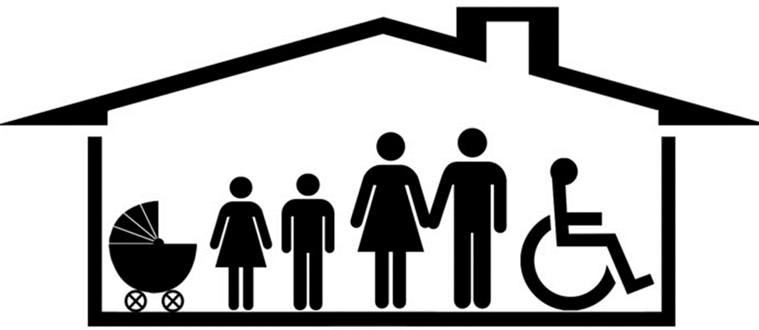
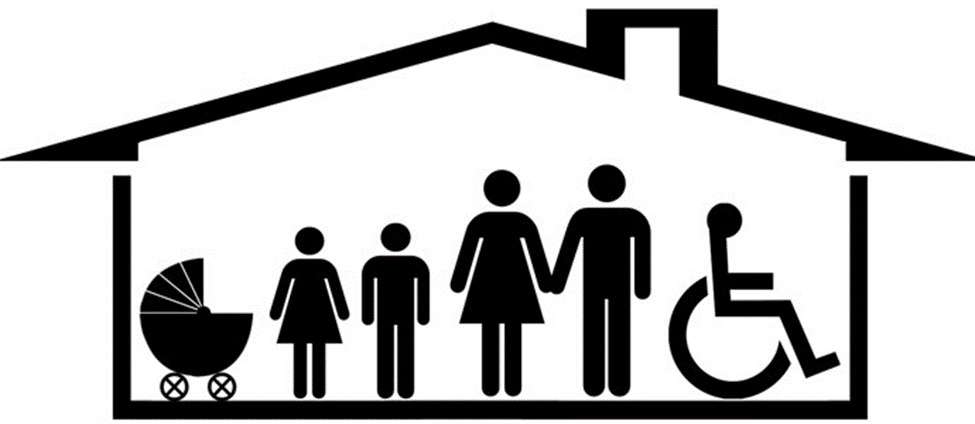
a universal design image showing all generations benefitting from its use


Common Barriers in Traditional Homes

Most traditional homes are full of hidden obstacles that restrict maneuverability for people with disabilities. These challenges become even more pronounced when mobility aids like walkers or wheelchairs are required.

Common architectural barriers include:

  • Steps at entryways with no alternative access

  • Narrow doorways and hallways with tight turns

  • Cramped bathrooms with poor fixture placement

  • Inaccessible outdoor spaces and patios

  • Kitchens that lack clear floor space or proper reach ranges

  • Hard-to-operate door hardware that requires grip strength and coordination

These design flaws can turn an ordinary house into a daily struggle for anyone with mobility limitations.


The Evolution of the Accessible Home

Accessibility has evolved far beyond grab bars and ramps. Modern accessible design is now built into the foundation of the home — seamlessly integrated rather than added as an afterthought.

This shift reflects the growing adoption of Universal Design, a concept that focuses on creating spaces, products, and environments usable by as many people as possible, regardless of age, ability, or circumstance.

Universal Design isn’t about making a home look institutional or medical. It’s about creating beauty, comfort, and functionality that everyone can enjoy — a design approach that feels natural, not clinical.

When done well, Universal Design improves safety and accessibility for every occupant and guest, often in ways that are practically invisible.


Accessible Home Design in Austin, Texas

For those in the Austin area seeking accessibility improvements, T-Square Company offers over 30 years of experience in barrier-free remodeling and accessible home design.

T-Square specializes in customized disability home modifications for residents of all ages, including:

  • Expert and professional home assessments
  • Wider doors and hallways

  • Accessible bathrooms and roll-in showers

  • Barrier-free kitchens

  • Ramped entrances and zero-threshold transitions

  • Stair lifts, elevators, and vertical platform lifts

  • Fully accessible rooms designed to each client’s needs

Every design/build project begins with a clear understanding of the client’s abilities and goals, ensuring that the design solutions enhance both independence and comfort.

Home Accessibility Help


Meet David L. Traut, CAPS

David L. Traut, CAPS, owner and president of T-Square Company in Austin, Texas, is part of a select group of professionals nationwide who have earned the Certified Aging in Place Specialist (CAPS) designation.

This certification, offered through the National Association of Home Builders (NAHB) in collaboration with AARP, recognizes remodelers and builders trained to meet the unique needs of older adults and individuals with disabilities.

David is also certified in Universal Design in both the United States and Australia. Drawing on decades of expertise, he recently published Age in Place at Home: Adapting the Home Environment for All Generations, a comprehensive guide that explores the role of Universal Design in creating safe, accessible homes. David wrote this book as a means to help families through difficult times once their homes lacked optimal livability.

📘 Age in Place at Home takes readers room by room, explaining practical modifications that enhance safety, accessibility, and independence. The book is available now on Amazon.


Living Comfortably, Safely, and Independently

Never fear — almost any existing home can be modified to overcome accessibility challenges. With proper planning, professional guidance, and a bit of creativity, you can ensure that every family member enjoys comfort, safety, and freedom of movement.

Following the guidance in Age in Place at Home will not only improve your quality of life — it will also promote equality of access for everyone under your roof.

It just makes good sense.

Tags: aging in place home modifications, CAPS certified remodeling in Austin, certified aging in place specialist, aging in place design in Austin, 7 principles of universal design, special needs contractor in Austin, Austin disability contractors for special needs, Austin aging in place specialist, disability access contractor, accessibility home modifications, Austin home accessibility solutions, CAPS-certified remodeling in Dripping Springs, Dripping Springs special needs contractor, universal design forever homes, Universal Design for Disabilities, Barrier-free designs, Universal Design Building Professional in Austin, home accessibility modifications, safe bathroom design for seniors, how to age in place

Why Age in Place At Home?/Aging in Place Design Features

Posted byDavid L. Traut, CAPS on Thu, Apr 18, 2024 @ 09:04 AM

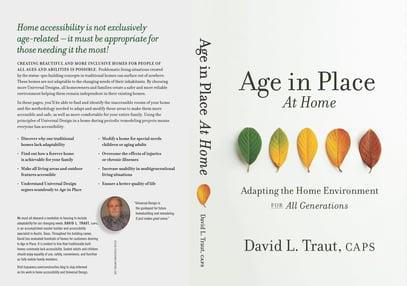
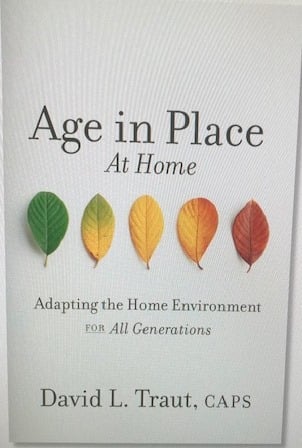
AIPSTUD cover4-1

Before and after retirement is an excellent time to prepare the house for what might come next in life—before any significant health issues appear. Choosing to Age in Place earlier in life using Universal Design techniques means a family can longer enjoy the home without obstruction. Their relatives, visitors, and children have peace of mind assured the aging loved ones or the chronically ill are safer living at home.

Everyone planning to remain in their existing home to Age in Place is looking for safety, security, familiarity, ease of use, and comfort. Homeowners and their families should immediately plan for their future housing needs and work from an Aging in Place design checklist. The current housing inventory does not offer the features needed for safety and accessibility in the numbers required to accommodate the growing demand creating a need for home modifications and a niche market. Savvy homeowners and their family have weighed the costs of institutional living compared to their home’s expenses. They also realize the difference in adhering to stringent rules in an institutional facility instead of independently and freely residing in their present home.


Discover the Principles Of Universal Design

The truth is, with professional help, you can adapt almost any home environment to enable you and everyone else in the family to live within it safely to the fullest extent. Aging in place design is not age-related because disability can instantly strike any family member of any age. The need for increased home accessibility is the common thread in any situation. Universal Design or inclusive design is a design and building pathway making homes more accessible to all regardless of their age, mobility, or ability when appropriately used. The Universal Design process offers a seamless path for Aging in Place providing help for those with a sudden disability. It additionally addresses the requirements of special needs families or multigenerational living situations. The elements of Universal Design provide common sense solutions for diverse living conditions. 

Regardless of size or ability, people are becoming more familiar with Universal Design and Aging in Place when considering a home remodeling project. Some people use these words interchangeably, but while they are similar in nature, they do differ because of the time they are performed. Both are specific design techniques used in making a home more comfortable and accessible for individuals of different abilities. Universal Design deals more with customized new dwellings and a proactive remodeling approach for people desiring to Age in Place prior to any health issues taking over their life. Comparatively, Aging in Place home modifications strictly involve the remodeling of existing homes to accommodate physical needs brought on by sudden health issues in a reactive manner. The costs for both processes represent a beneficial investment in your home for future needs as opposed to merely spending involving aesthetically pleasing remodeling projects.

As an Aging in Place Specialist and one of Austin's premier Aging in Place contractors, I came to realize existing homes typically contain cramped, twisting hallways with narrow doorways, bathrooms without adequate maneuvering space for decreased usability, kitchens without accessible storage and workspaces, and stepped home entries. These are all common home design flaws. Every one of these common household problematic areas falls short of any Aging in Place design features. Hence, the home building industry has always lacked inclusion for all homeowners with their ever-changing needs.

Certified Aging In Place Specialist

As a Certified Aging in Place Specialist CAPS(#1636580), I am confident my book, "Age in Place at Home", introduces you to a new way of thinking about your home's future. It acts a guide for solving diverse home needs for all people affected by varying physical conditions and aging. I decided to write this book due to many customer requests for a summation of suggestions to improve their home's accessibility, comfort, usefulness, and sustainability and, ideas they could share with others. The book is full of Aging in Place design guidelines gleaned from witnessing years of shortcomings in traditional homes.  I based the information provided on countless past home walkthroughs and home assessments. Within my book, you can discover room-by-room the benefits of using the principles of Universal Design and how to incorporate them periodically throughout your living environment at your own pace. I furthermore guide you through a home, making suggestions for what will increase your and your family's future accessibility.  You will notice the chapters involving the bathroom and kitchen are very extensive. They represent the most important rooms to consider when planning to Age in Place. The most utilized rooms in our homes must accommodate all diverse residents and visitors.

Would you please not allow your home to hold you or any of your loved ones captive within its walls. Learn how to enable your home to conform to you and the needs of your family. Please think ahead positively and proactively while preparing for the future. IT JUST MAKES GOOD SENSE.

Home Accessibility Help

According to the 2000 census, nearly 50 million people in the United States have some type of disability. Of this group, 6.8 million have a condition that makes it difficult to bathe, dress and get around the inside of their own homes. T-Square Company has the training and knowledge to help with disabilities because we are a Certified Aging in Place Specialist (CAPS).

#accessiblehomes

Tags: ADA compliant kitchen cabinets, ADA accessible, barrier free access, aging in place remodeling, ADA remodeling, aging in place remodels, ADA kitchen cabinets, handicap accessible bathrooms, aging in place construction, CAPS professional in Austin, accessible home remodeling, CAPS remodeling techniques, disability home remodeling in Austin, aging in place specialist, aging in place services, aging in place design,, certified aging in place specialist, handicap remodeling contractors in Austin, handicap home modifications for disabled, disability access bathrooms Austin, universal design ideas, Austin accessible home remodeling, certified aging in place consultant in Austin, aging in place specialist in Austin, senior aging in place services, home remodeling for disabled, home accessibility help in Austin, home remodeling for disabled in Austin Texas, wheelchair accessible home remodeling in Austin, universal design remodeling contractor, principles of universal design, disability contractor in Austin, special needs contractor in Austin, handicap accessible remodeling, barrier free remodeling, handicap accessible home modifications, disability remodeling, handicap bathroom remodel, disability access contractor, barrier free showers in Austin, ADA vanity in Austin, accessible bathroom remodel, what is ada compliant, accessible homes, universal design contractor, accessible housing, Austin home remodeling for disabled, modifying your home for a disabled child, wheelchair accessible homes, the basics of aging in place, barrier free kitchens, barrier free design, Austin home accessibility solutions, Age in Place at Home

Home Modifications To Accommodate A Family's Changing Living Situation

Posted byDavid L. Traut, CAPS on Fri, Sep 29, 2023 @ 09:09 AM

When a family's living situation suddenly changes, it may be necessary to make various home modifications to accommodate the new circumstances. This process will in turn create  multigenerational homes. The specific modifications required can vary widely based on the nature of the change, but here are some common considerations:

  1. Additional Bedrooms: If the family is growing or if someone new is moving in, you may need to create additional bedrooms or sleeping areas. This might involve converting a home office, den, or other space.
  2. Bathroom Accessibility: If there are elderly or disabled family members moving in, you may need to modify bathrooms to make them more accessible. This could include installing grab bars, a walk-in shower, or a wheelchair-accessible sink and toilet.
  3. Kitchen Modifications: A larger family might require changes in the kitchen to accommodate more people. This could involve adding extra seating, variable-height working surfaces, roll-under ability at the sink or stovetop, increasing storage space, or even expanding the kitchen.
  4. Safety Features: Depending on the situation, you may need to add safety features like childproofing, adult proofing, slip-proof flooring, or installing security systems.
  5. Storage: If you have more people living in the home, you might need additional storage space for their belongings. This could mean adding closets, shelves, or cabinets.
  6. Accessibility Ramps: For individuals with mobility issues, installing ramps at entrances can be essential.
  7. Separate Living Spaces: If you're accommodating multiple generations under one roof, consider creating separate living spaces with their own entrance, kitchenette, and bathroom to provide privacy and independence.
  8. Heating/Cooling: Ensure your HVAC system can handle the increased load if you are adding square footage to your home.

The design will involve the practice of Aging in Place which has little to do with age and much to do with usability for everyone on a universal basis.  Once you have decided to Age in Place in your existing home with an expanding family, the first thing you can do to make your home more age-friendly and adaptable is to do a self-assessment. Go through your house, identifying known problem areas like potential tripping or slipping hazards and areas that are hard to access and maintain. Who would be better at pointing out problem areas than the person needing the home modifications according to their physical wellbeing? To help with this, several organizations have Aging in Place checklists pointing out potential problems in some regions of the home and suggesting modifications and solutions. Once you have completed your initial Aging in Place checklist, it is time to seek the advice of trained Aging in Place specialist.

Next, contact a builder or remodeler listed as a Certified Aging in Place Specialist (CAPS). CAPS are home remodelers and design-build professionals certified and knowledgeable about Aging in Place home modifications. The CAPS professional can suggest ways to modify or remodel your home to fit your needs and budget. CAPS professionals are generally paid by the hour or receive a flat fee per visit or project.

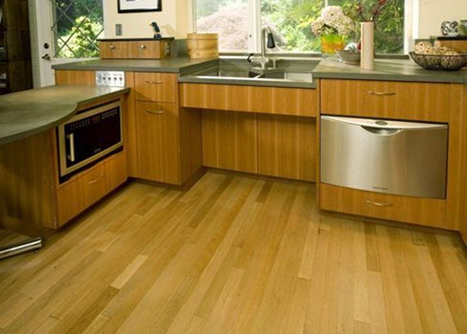
Universal Design ADA Kitchen in Austin

There are three categories of Aging in Place customers. Those who are simply and wisely planning for their futures to remain in their present homes. The second category concerns those who know they have a chronic medical disorder and need to prepare for accessibility issues resulting from their disease. People with diseases constantly causing increased physical or mental changes to their being are a good representative of this second group. The third group involves those who either have had a chronic problem that has progressed severely altering their mobility or those who have sustained a life-altering tragedy such as being involved in an accident.  All of these groups will drive the future metamorphosis of existing inaccessible dwellings.

During a professional home assessment for increasing accessibility, the structural needs of the clients will be noted and documented through sketches, photos, and conversation by a registered CAPS professional. All the surroundings will be considered, from the flooring to the layout of a specific room or location as it pertains to each inhabitant's size or ease of usability. The physical and emotional needs of the occupants will also come into play because of mobility, sensory, or cognitive concerns. Each individual with similar impairments describes his or her limitations differently when undergoing elder construction. The blind don't experience their world the same as a person with deafness. The ultimate goal is to modify the home in a custom manner to provide for the occupant's maximum health, independence, and safety. Often the input from any caretakers, like a physical or occupational therapist, during the assessment phase can prove invaluable. The three main rooms involved in aging in place home modifications are the bathrooms, the kitchen, and the family room. These areas make up the most occupied spaces of any home and will be connected by a designated accessible route. The basic needs involve access through wider doorways, nonslip floor surfaces, and adequate cabinet and plumbing fixture accessibility. More importantly, we must observe safety for everyone as the baby boomers choose to age in place within their homes. For more information about T-Square Company or Aging in Place services, visit www.tsquareco.com or call 512-444-0097. We are a certified Aging in Place contractor (#1636580).

Knowledgeable construction and design professionals are utilizing their CAPS training across the nation. CAPS stands for Certified Aging In Place Specialist. This designation is taught through the National Association of Home Builders in collaboration with AARP. CAPS connects responsible professionals with homeowners who need these services ever-increasingly. The CAPS designation program is a nationwide initiative, and all active CAPS members can be found at nahb.org/CAPSdirectory.

universal Design or Inclusive Design for all family members


Download Our Free Aging In Place Remodeling Considerations Checklist


If children are moving into your home, their size and ability are major considerations for the Universal Design. In designing for specific physical conditions for an adult moving into your home, we realize that aging doesn't always bring on disease while the body declines to make certain physical limitations inevitable. Arthritis is the most common chronic condition as it restricts ordinary daily activities. The lack of hand strength and stiff knees are indicative of this illness. This most reported arthritic condition affecting people over 65 is followed by heart disease and vision loss in that order. Innovative aging design and concepts can compensate for frailty, lack of mobility, and blindness in Aging in Place extended families. We are constantly coming up with new methods for home modifications and household products to increase the comfort of our residential environments.

David L. Traut, CAPS, the owner of T-Square Company in Austin, Texas, is one of the select group of professionals nationwide to earn the Certified Aging-In-Place Specialist (CAPS) designation, identifying him as a home remodeler and builder with the skills and knowledge necessary to remodel or modify a home to meet the unique needs of the older population, disabled owners, or their visitors.  We offer a complete line of aging in place services using our design/build techniques and the principles of Universal Design. Everything we do is done on a customized turnkey basis.

After over a year of writing to fulfill my customers' requests, my new book, "Age in Place At Home," is finally available for purchase from Amazon.  Go to the link below to order my paperback book, which was released in late November, 2022. It provides a great guideline for using the principles of Universal Design in new home construction and/or remodeling for every room in your home. Get your copy today.

https://www.amazon.com/gp/r.html?C=2Z24ENUUAEWUK&K=13Y7YU7PKKYAC&M=urn:rtn:msg:20221010201802eb9acb7b24004a4785cd2ec1d4f0p0na&R=3R6MK9WDXJPH7&T=C&U=http%3A%2F%2Fwww.amazon.com%2Fdp%2FB0BHTV28RV%3Fref_%3Dpe_3052080_276849420&H=7FWEPMGCH0TT8LN6SKPMUOCVJNYA&ref_=pe_3052080_276849420

A home's adaptability is one of the most desired qualities within a person's home during some point in their life as their or their family's personal needs change. Specific needs to enhance a home's accessibility can be short term while recovering from an accident or illness at any age, or  these home alterations may become permanent. The special needs may concern an adult or a child. Universal design principles don't discriminate between any family members regardless of age, size, or ability. Every family member is included. Learn how to adapt your home environment to satisfy your family's needs in David Traut's new book, "Age in Place at Home".


Certified Aging In Place Specialist

Tags: barrier free access, aging in place remodeling, CAPS, aging in place home improvements in Austin, CAPS certification, ADA remodeling, CAPS certified remodeling in Austin, aging in place remodels, aging in place construction, aging in place designs, CAPS professional in Austin, CAPS certification holder in Austin, CAPS remodeling techniques, Universal Design,, aging in place services, aging in place design,, certified aging in place specialist, disability home modifications in Austin, home modifications Austin, Texas, wheelchair accessible showers in Austin,, handicap bathrooms, roll in showers in Austin, custom walk in shower Austin, home remodels Austin, home modifications for independent living Austin, certified aging in place consultant in Austin, aging in place design in Austin, multigenerational homes