Check out my building blog to learn more about construction for your home or office in Austin! David L. Traut, President, CAPS Certified (512)444-0097

Proactive Aging in Place Planning: Why Flexible Home Designs Matter

Posted byDavid L. Traut, CAPS on Wed, Jun 17, 2026 @ 18:06 PM

Why Waiting Too Long Creates Bigger Problems

A thoughtfully adapted home helps preserve dignity, confidence, and independence rather than making a person feel like they are “aging into decline”, but it's how you accomplish the task that makes a huge difference. 
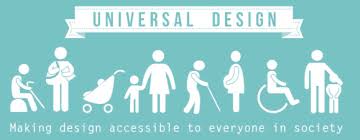
Universal Design makes a home accessible to everyone regardless of age, size, or ability.

The most successful aging in place plans are both flexible and proactive because aging is gradual, unpredictable, and constantly changing. Waiting until after a fall, hospitalization, or health crisis usually forces families into rushed decisions that are more expensive, stressful, and limiting.

Flexible Design for Changing Needs

Flexibility is equally important because physical and cognitive needs evolve. A person may be fully independent today, but later need a mobility device, reduced stair use, in-home caregiver assistance, improved visibility and lighting, easier-to-reach storage, and smart home or monitoring technology.

Universal Design and Long-Term Independence

Homes designed with Universal Design principles can adapt more easily to these changes without requiring major reconstruction later. Features such as zero-step entrances, wider doorways, lever door handles, curbless showers, more open floor plans, and reinforced bathroom walls for future grab bar installation allow the home to evolve with the homeowner.

The Benefits of Proactive Home Modifications

A proactive approach allows homeowners to prepare their environment before serious problems occur. Instead of reacting to an emergency, they can thoughtfully create a home that supports long-term independence, safety, and comfort. For example, installing better lighting, improving stair safety, widening pathways, or remodeling a bathroom early can prevent injuries before they happen. These changes are often simpler and less costly when planned rather than completed during a medical crisis.

Proactive planning also protects homeowners' emotional well-being. Many people want to remain connected to:

  • Their neighborhood
  • Friends and family
  • Familiar surroundings
  • Personal memories
  • Daily routines

Creating a Forever Home That Adapts Over Time

On the contrary, a reactive plan usually begins after experiencing a fall, hospitalization, loss of mobility, caregiver burnout, or following a sudden or extreme diagnosis.  At that point, families are often under emotional and financial pressure. Decisions become rushed, and options may be limited. In many cases, homeowners are forced into temporary solutions or premature relocation because their home was never prepared for changing needs.

In practice, the best aging-in-place plans usually happen in phases:

  1. Early prevention improvements
    Lighting, decluttering, railings, flooring, and bathroom safety.
  2. Accessibility upgrades
    Entry access, wider circulation paths, accessible kitchens,  and bathrooms.
  3. Future-readiness planning
    Smart technology, caregiver accommodations, first-floor living, adaptable spaces.
  4. Long-term adaptability
    Modifications that can evolve as health or mobility changes.

This long-range mindset is why aging in place is most successful when treated as an ongoing lifestyle and home-design strategy—not simply a reaction to aging itself.

Getting Professional Guidance

At T-Square Company, a local CAPS-Certified Builder in Austin, Texas, we help homeowners evaluate risks and implement smart, practical safety solutions tailored to their home and lifestyle. Stop procrastinating and schedule an in-home or virtual home assessment today.

Accessible Remodeling • Universal Design • Aging-in-Place

Let’s make your forever home work beautifully for you—now and for years to come.

David L. Traut, owner of T-Square Company and an active member of The National Aging in Place Council, has written an award-winning Aging in Place Guide
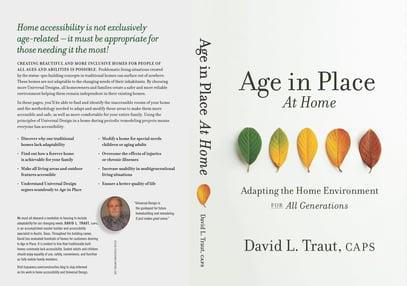
Age in Place at Home Book

David is also certified in Universal Design in both the United States and Australia. Drawing on decades of expertise, he published Age in Place at Home: Adapting the Home Environment for All Generations, a comprehensive guide that explores the role of Universal Design in creating safe, accessible homes.

📘 Age in Place at Home takes readers room by room, explaining practical modifications that enhance safety, accessibility, and independence. The book is currently available on Amazon.

Discover the Principles Of Universal Design

Tags: aging in place remodeling, aging in place, CAPS professional in Austin, Universal Design,, accessible design, accessibility home modifications, forever home, senior safety, National Aging in Place Council NAIPC, independent living, senior home safety, home modifications for seniors, T-Square Company, multigenerational living, accessible living, bathroom safety

A Safe Bathroom Design For Seniors Aging in Place

Posted byDavid L. Traut, CAPS on Thu, Feb 05, 2026 @ 16:02 PM

 
 By David L. Traut – Certified Aging-in-Place Specialist (CAPS) and author of Age in Place at Home. A member of The National Aging in Place Council (NAIPC)

Designing a safe bathroom for seniors is one of the most critical steps in aging in place. As a certified Aging in Place Specialist (CAPS) with over 30 years of design/build experience, I very often identify the same recurring problems for my clients during a professional home assessment.  Bathrooms are small, hard-surfaced, often slippery, and account for a large percentage of falls and injuries among older adults.  The usual presence of water intensifies the danger. T-Square Company in Austin, Texas, offers complete aging in place services to allow its clients to increase their independence and accessibility.  Below is a comprehensive, professional breakdown of safe bathroom design features for seniors and those with mobility limitations.


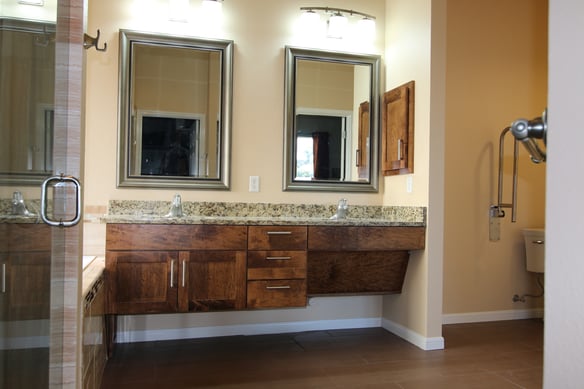
A customized combination roll-under and traditional vanity


 Safe Bathroom Design for Seniors: Key Elements

1. Zero-Threshold Walk-In Shower

  • Eliminate tubs or high shower curbs

  • No step-up entry for wheelchairs, walkers, or balance issues

  • Ensure a slip-resistant floor surface inside and outside the shower

  • Include a fold-down shower bench or space for a shower chair

  • Install a handheld showerhead on an adjustable slide bar

2. Grab Bars and Support Rails

  • Install secure grab bars in the following locations:

    • Next to the toilet

    • Inside the shower (vertical and horizontal)

    • Just outside the shower or tub for entry/exit

  • Choose ADA-compliant bars, ideally 1.25–1.5 inches in diameter

  • Ensure proper anchoring into wall studs or with appropriate mounts

3. Raised or Comfort-Height Toilet

  • A toilet height of 17–19 inches reduces strain when sitting or standing

  • Consider a toilet safety frame or grab bars nearby

  • Bidet attachments can also increase hygiene with less movement

4. Non-Slip Flooring

  • Use textured porcelain tile, rubber flooring, or vinyl with non-slip finish

  • Avoid small mosaic tile (too many grout lines) or polished stone

  • Use anti-slip mats or decals in and around wet areas

5. Widened Doorways and Open Layout

  • Minimum 32–36 inches wide to accommodate walkers or wheelchairs

  • Use lever-style handles on all doors and cabinetry (easier for arthritis)

  • Consider a pocket door or barn door to save space if needed

6. Smart Lighting and Visibility

  • Motion-activated night lights for nighttime navigation

  • Bright, even lighting with minimal shadows

  • Task lighting at sink/mirror for grooming

  • Rocker light switches or smart voice-controlled lights for accessibility

7. Sink and Vanity Adjustments

  • Wall-mounted or roll-under sink for seated use or wheelchair access

  • Rounded corners on counters to reduce injury from falls

  • Anti-scald valves or temperature-limiting faucets to prevent burns

  • Single-lever faucets for easier control

8. Ventilation and Temperature Control

  • Proper exhaust fan to reduce moisture and prevent mold

  • Heated flooring or radiant heat to reduce slipping and increase comfort

  • Consider thermostatic controls to prevent water temperature spikes

9. Emergency Access and Communication

  • Ensure doors open outward or use a removable hinge pin (in case of a fall)

  • Install a call button or voice assistant (e.g., Alexa) for emergencies

  • Place a phone or communication device within reach if needed

Certified Aging In Place Specialist


For a more detailed roadmap to aging in place, including comprehensive home modification checklists and design tips, please take a look at Age in Place at Home: Adapting the Home Environment for All Generations. In my book, I delve deeper into making your home safe and comfortable for every stage of life, blending professional recommendations with practical advice. Aging in place is about preserving the comfort, dignity, and familiarity of your home — with the right preparations, you really can stay in the place you love as long as possible.

Tags: aging in place, certified aging in place specialist, senior home modifications in Austin, ADA compliant roll in showers, ADA Compliant Bathroom Vanity, Age in Place at Home, safe bathroom design for seniors, David L. Traut, CAPS, age in place at home (book tag), fall prevention for seniors, home remodeling for seniors, bathroom safety for seniors, senior friendly bathroom features, home safety for older adults, accessible bathroom design, bathroom remodeling for aging in place, T-Square Company Austin, National Aging in Place Council NAIPC, Universal Design for seniors