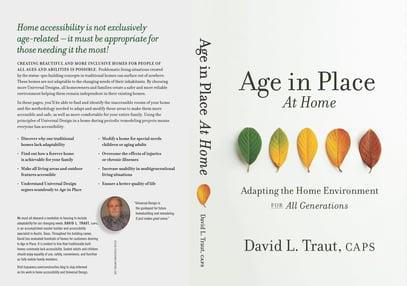
David L. Traut, the owner of T-Square Company located in Austin, Texas, is a Certified Aging-in-Place Specialist (CAPS) and author of the award-winning book Age in Place at Home: Adapting the Home Environment for All Generations(2022). David is also a standing member of The National Aging in Place Council and the NAHB.
As a CAPS-certified home remodeler with over 30 years of experience adapting houses for safer senior living, I often hear the same question from older adults and their families: “How can I make my home safe so I can stay here as long as possible?” In fact, this is the most frequently asked question among those planning to age in place. It appears in many forms, but no matter how it’s phrased, the heart of the concern is the same – ensuring the home is safe and accessible for the long term.
Why Home Safety Is the Top Concern for Aging in Place
Home safety is the foundation of successful aging in place. Falls are the leading cause of serious injury for older Americans, so it’s no surprise that safety modifications are a top priority. Unsafe layouts, cluttered pathways, poor lighting, and inaccessible bathrooms can quickly turn a beloved home into a hazardous place. In fact, common home hazards like clutter, dim lighting, and lack of supports (e.g., grab bars) greatly increase the risk of falls. Since falls can lead to broken bones or hospitalizations, eliminating these dangers is critical for independent living. Simply put, if your home isn’t safe, it won’t matter how much you want to stay there – safety is non-negotiable for aging in place. It’s no surprise that questions about preventing falls and modifying the home for safety are the most common starting point.
Introduction
Aging in place – choosing to live in your own home safely and independently as you get older – comes with many questions. As a CAPS-certified professional, I often hear one question more than any other from older adults and their families: “How can I make my home safe so I can stay here as long as possible?” This broad concern appears in many forms, such as:
-
“What home modifications do I need to live in my home safely?”
-
“How can I prevent falls?”
-
“What changes should I make in my house to stay independent?”
These all boil down to making the home environment as safe and accessible as possible for the long term, while defining the home most people want and desire.
Other Frequently Asked Questions about Aging in Place
Beyond general home safety, people have many other questions when deciding whether they can age in place. Here are some of the most common questions I’m asked, along with brief answers:
-
How do I know if aging in place is realistic for me? – Start by taking an honest look at your personal situation. Assess your current health, mobility, finances, and support network. Do you have any chronic conditions or mobility issues that might worsen over time? Can your budget cover home modifications or in-home care if needed? Do you have family, friends, or community services nearby to help if you need assistance? Answering these questions will help determine if living at home long-term is a safe and practical option.
-
What home modifications are essential, and how much will they cost? – Certain modifications are considered “must-haves” for safety. These typically include installing grab bars in bathrooms, converting tubs to walk-in showers, adding wheelchair ramps or zero-step entries, improving lighting (especially in hallways and stairways), and possibly incorporating smart-home technology (like voice-activated assistants or automated sensors). The cost can vary widely depending on your home’s existing layout and condition. Small changes like grab bars and lighting are relatively inexpensive, whereas major renovations (like a bathroom remodel for accessibility) will cost more. It’s wise to get an assessment from a CAPS professional who can give you specific cost estimates for your situation.
-
What services are available to help me stay at home? – Aging in place doesn’t mean doing everything on your own. There are many services to support seniors living at home. For example, in-home caregiving services can assist with daily activities or personal care. Meal delivery programs or grocery delivery can ensure you’re eating well without needing to shop and cook every day. Transportation services or senior shuttles can help you get to appointments if you no longer drive. Telehealth services allow you to consult with doctors remotely. Even medication management apps or services can help you organize your prescriptions. Tap into local community resources, nonprofit organizations, or senior centers – they often have lists of reliable services for everything from home maintenance to companionship.
-
How can I prepare financially to live at home long-term? – Budgeting for aging in place is essential. You’ll need to account for home modification costs, ongoing maintenance, and potential in-home care or medical expenses over time. Review your insurance to see if it covers any home health care or equipment. Look into programs or grants for seniors that help fund home modifications (some communities have grants for installing ramps or safety features). It’s also wise to set aside an emergency fund for unexpected repairs (like an HVAC replacement or a new roof) so that home upkeep doesn’t become overwhelming. Consulting a financial planner who has experience with elder care planning can provide personalized guidance. The key is to plan early, so you aren’t caught off guard by expenses later.
-
What technology can help me stay independent? – Technology is a great ally for aging in place. Medical alert systems (wearable devices or home units that can call for help at the press of a button) provide peace of mind in case of falls or emergencies. Smart sensors can detect things like smoke, carbon monoxide, or even monitor if a fridge has been opened (useful for tracking daily routines). Video doorbells let you see who’s at the door without getting up, enhancing security. Voice-activated assistants (like Alexa or Google Home) can control lights, thermostats, make calls, or even remind you to take medications. Many of these technologies are relatively affordable and user-friendly, and they can significantly boost safety and independence.
-
How do I maintain social connections and avoid isolation? – Loneliness is a common issue for seniors living at home, but there are ways to stay connected. First, make use of community programs – many neighborhoods, senior centers, or faith organizations host regular gatherings, classes, or social events for older adults. Take advantage of transportation services if driving is an issue, so you can attend events or simply meet friends for lunch. Embrace technology for communication: learn to use video calling (Zoom, FaceTime) to regularly chat with family and friends who might not live nearby. Some communities have telephone check-in programs or friendly visitor programs, where volunteers call or visit seniors weekly. The key is to be proactive – schedule social activities on your calendar just as you would medical appointments, so you make socializing a priority. Maintaining those human connections will greatly improve your quality of life as you age in place.
First Steps to Take (Beyond Contacting a Seasoned CAPS Professional)
Once you’ve decided to pursue aging in place, where should you begin? Aside from consulting a Certified Aging-in-Place Specialist for professional guidance, here are eight first steps you can take on your own to get the ball rolling:
-
Self-Assess Your Personal Needs: Consider your daily routines and challenges. Do you struggle to climb stairs or step over the bathtub? Is it getting harder to carry laundry up from the basement? Identify what tasks or home features are becoming difficult – this will guide which modifications are most urgent. Also, list any health conditions or mobility issues you have, as these will influence your needs (e.g., arthritis might make turning doorknobs painful, suggesting a need for lever-style handles).
-
Evaluate Your Home’s Safety: Do a walkthrough of your home with a critical eye (and ideally, a checklist). Look for hazards like loose throw rugs, clutter on the floor, poor lighting in hallways, lack of grab bars in the bathroom, or uneven thresholds that could cause trips. Check if stair railings are sturdy. Imagine navigating your home using a walker or wheelchair – what obstacles would you encounter? This evaluation will highlight what needs to be fixed or changed for better safety.
-
Prioritize Fall Prevention: Falls are a major threat, so prioritize changes that reduce fall risk. This might include installing better lighting (especially night lights for halls and bathrooms), improving flooring (no slick surfaces; consider non-slip coatings or low-pile carpeting), and adding support bars or railings where needed. If you have stairs, think about options like stair lifts or creating a living space on the first floor in the future. Rank your list of fall hazards and tackle the most dangerous ones first.
-
Build a Support Plan: Successful aging in place often “takes a village.” Outline who can help you and in what ways. This support plan might include family members, neighbors, or friends who can check in regularly or assist with errands. It also includes professional services – for example, knowing which home care agency you would call if you needed help with personal care, or which handyman service you trust for home repairs. Having a support network and resources identified in advance will make it easier to get help when you need it.
-
Plan for Long-Term Home Modifications: Some modifications are urgent (like preventing falls), but it’s wise to also plan for the future. Consider what you might need 5, 10, or 15 years down the road. If you’re healthy now but have a progressive condition, anticipate those changes. Long-term plans might include remodeling a bathroom for wheelchair accessibility, widening doorways, or even relocating a bedroom to the ground floor. You don’t have to do these big projects immediately, but start researching costs and options. Having a roadmap will help you budget and avoid crisis renovations later.
-
Review Financial Options: Take a close look at your finances and see how you can fund your aging-in-place plan. If modifications are needed, will you use savings, or are there loans/grants available? Investigate programs like HUD’s home repair grants, VA benefits (for veterans, there are sometimes funds for home accessibility), or local nonprofit grants for seniors. Also consider long-term care insurance or reverse mortgages as tools that some use to finance aging in place (each comes with pros and cons, so possibly consult a financial advisor). The goal is to ensure you can afford the help and changes you’ll require over time.
-
Communicate Your Plan to Family: It’s important to let your close family or loved ones know about your wishes and plans. Sit down with them to discuss that you intend to age in place, what modifications you plan to make, and how they might support you. This conversation is key to managing expectations – for instance, if you ever need assistance, your family will already know your preference is to receive help at home rather than move to a facility. Clear communication now can prevent misunderstandings or conflicts later, and you may find family members are eager to help once they understand your plan.
-
Start with Easy, Affordable Improvements: Don’t wait for a perfect time or huge budget to begin; some changes can start right away. By tackling a few small fixes now, you build momentum and immediately improve safety.
Start with Small, Quick Wins for Safety
To get momentum going, begin with simple, low-cost improvements that make your home safer immediately. These “quick wins” not only reduce hazards right away, but also give you a sense of accomplishment as you kickstart your larger aging-in-place plan. Here are a few easy improvements to consider:
-
Brighten the Lighting: Add LED light bulbs or battery-powered stick-on lights in dim areas. One popular trick is using LED rope lights along hallways, stairs, or for outlining cabinet kick panels along the floor to clearly illuminate pathways at night. Remember, good lighting helps prevent trips and falls. Place night lights in key areas like bedrooms, hallways, entryways, and bathrooms. Motion-activated night lights will automatically illuminate these areas if you get up during the night, so you don’t have to fumble for switches in the dark.
-
Secure or Remove Throw Rugs: Throw rugs can be slip and trip hazards. Remove small area rugs altogether, or if you really want to keep a rug, use double-sided carpet tape or non-slip backing to firmly secure it to the floor. Also, tape down any curled carpet edges. This eliminates one of the most common fall triggers in homes.
-
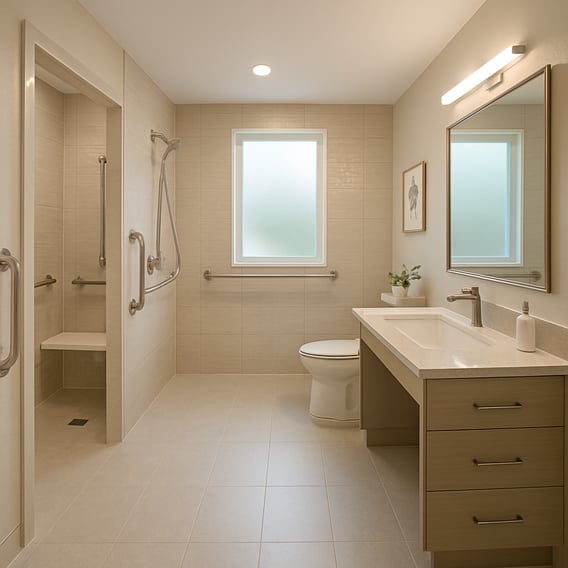
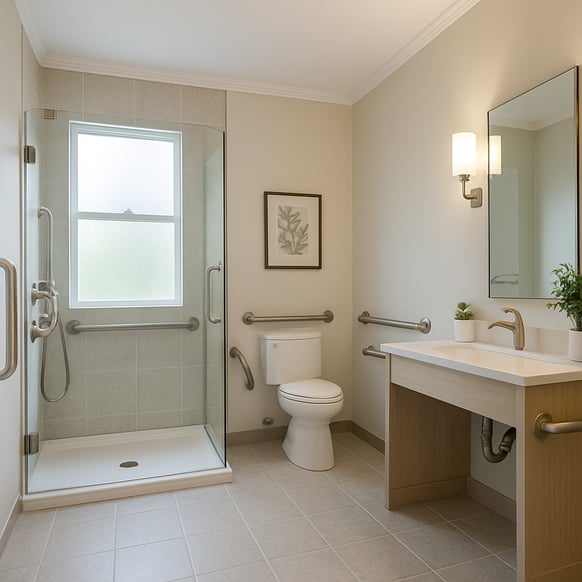
Install Grab Bars in the Bathroom: Bathrooms are a high-risk area for falls due to wet, slippery surfaces. Install grab bars near the toilet and inside the tub or shower. Don’t wait until you need them – put them in now so you and your guests have extra support. There are many styles available that look nice, but not institutional, and can be installed without a major remodel. If drilling into tile is a concern, there are even some clamp-on bars for tubs (just ensure any product you use is sturdy and well-reviewed for safety).
-
Simplify Showering: Consider adding a handheld showerhead on an adjustable slide bar. This allows you to shower while seated (if you use a shower chair or bench) and adjust the height easily. It’s a cheap upgrade that makes bathing easier and safer. Also, ensure non-slip mats or stick-on traction decals are on the tub/shower floor to prevent slipping.
-
Declutter Pathways: Walk through your home and clear all pathways to be at least 36 inches wide (this width is ideal for walkers or wheelchairs, and also just safer for everyone). Remove any unnecessary furniture or clutter from hallways and high-traffic areas. Remove or rearrange any furniture that blocks pathways. Not only does this help prevent tripping, but it also makes the home feel more open and navigable. The goal is to have clear, wide walking paths from room to room. This will not only reduce fall risk but also make it easier should you ever need to use a mobility aid.
-
Swap Doorknobs for Levers: Lever-style door handles are much easier to operate, especially if you have any grip weakness or arthritis. Unlike round knobs that require twisting, levers you can push down with minimal effort (even with an elbow if your hands are full). Replacing a few key doorknobs (like the front door, bedroom, and bathroom) with lever handles is a quick project that can make daily life easier.
These inexpensive steps offer immediate safety benefits and set the stage for more involved modifications down the line. By making a few quick changes now – better lighting, removing tripping hazards, adding basic supports – you create a safer home while you plan larger projects. Each small victory not only reduces your current risk but also builds confidence that you can adapt your home successfully.
Moving Forward
Aging in place is a journey, and every journey starts with a first step. Aging in place is absolutely achievable with thoughtful planning and proactive changes. By asking the right questions and taking proactive measures like the ones above, you are empowering yourself to live safely and independently in the home you love. Remember that aging in place doesn’t mean doing it alone – use the expertise of professionals (like CAPS remodelers, medical providers, and financial advisors), and lean on community services and loved ones for support. By addressing home safety, leveraging support services and technology, and communicating with your family, you can create a living situation that supports your independence for years to come. Remember that you don’t have to do everything overnight – start small and build on each success. With a solid plan and the right home environment, you truly can “age in place at home".
For a more detailed roadmap to aging in place, including comprehensive home modification checklists and design tips, take a look at Age in Place at Home: Adapting the Home Environment for All Generations. In my book, I delve deeper into making your home safe and comfortable for every stage of life, blending professional recommendations with practical advice. Aging in place is about preserving the comfort, dignity, and familiarity of your home — with the right preparations, you really can stay in the place you love as long as possible.