Austin Aging in Place Specialist David L. Traut has been helping Austin homeowners create safer, more accessible homes through expert home modifications, Universal Design, and aging in place solutions for over three decades. Learn how thoughtful home modifications can help you remain independent and comfortable for years to come in your Forever Home.
Helping Seniors Live Safely, Comfortably, and Independently in the Home They Love
Most older adults share the same dream: staying in the home they've worked so hard to build. Home represents comfort, memories, independence, and familiarity. Unfortunately, most homes were never designed to accommodate the physical changes that naturally occur with aging.
The good news is that moving isn't always the answer.
Thoughtfully planned home modifications can transform an existing house into a safer, more accessible forever home while preserving its beauty and character.
At T-Square Company, we have spent more than 30 years helping homeowners throughout Austin and Central Texas make practical improvements that allow them to remain independent, reduce the risk of falls, and enjoy a higher quality of life.
Why Home Modifications Matter
Every year, millions of older adults are injured by falls inside their own homes. Many of these accidents occur in familiar spaces that homeowners navigate every day—bathrooms, stairways, kitchens, and entrances.
Fortunately, many of these risks can be greatly reduced through proactive planning.
Common modifications include:
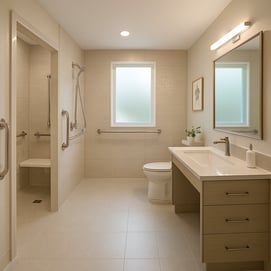
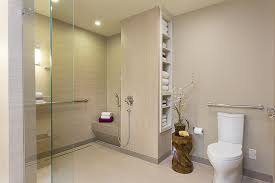
- Barrier-free showers
- Professionally installed grab bars
- Improved lighting throughout the home
- Slip-resistant flooring
- Wider doorways for walkers and wheelchairs
- Accessible kitchen layouts
- Lever-style door hardware
- Zero-step entries
- Handrails and stair safety improvements
- Smart home technology that supports independence
Many homeowners are surprised to learn that relatively small changes can make a tremendous difference in both safety and daily comfort.
Planning Before a Crisis
One of the biggest mistakes families make is waiting until after a fall, hospitalization, or medical diagnosis before making changes.
The most successful aging-in-place projects begin long before they're actually needed.
Thoughtful planning provides more options, allows projects to be completed gradually, minimizes stress, and often costs less than emergency remodeling after an accident.
Proactive planning gives homeowners the freedom to make thoughtful decisions instead of rushed ones.
Helping Adult Children Protect Their Parents
Often, it isn't the older homeowner who first reaches out—it's an adult son or daughter.
Many families begin noticing small warning signs, such as difficulty climbing stairs, trouble stepping into the bathtub, increased concerns about falling, poor lighting, narrow doorways, and mobility changes after surgery or illness.
Adult children frequently ask, "Is Mom's home still safe?" or "How can Dad continue living independently?"
These conversations can be emotional. Our goal is to provide practical solutions that preserve dignity while giving families greater peace of mind.
Why Choose David L. Traut, CAPS?
Not all remodeling contractors specialize in accessibility.
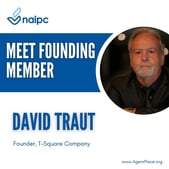
David L. Traut, CAPS, has dedicated more than three decades to designing homes that support safety, independence, and lifelong living. As President of T-Square Company and a Certified Aging-in-Place Specialist (CAPS), David combines extensive remodeling experience with specialized training in Universal Design and accessibility. David is a founding member of the National Aging in Place Council (NAIPC).
He is also the award-winning author of Age in Place at Home: Adapting the Home Environment for All Generations, helping homeowners across the country better understand how thoughtful design can improve safety without sacrificing comfort or beauty.
Rather than offering one-size-fits-all solutions, David carefully evaluates each home, listens to each family's goals, and develops customized recommendations that fit both current needs and future plans.
Universal Design Benefits Everyone
One of the greatest misconceptions about accessibility is that it makes a home look institutional.
Today's Universal Design features are attractive, functional, and seamlessly integrated into the home's architecture.
Many improvements benefit everyone who lives in the home—not just older adults—including grandchildren, guests, individuals recovering from surgery, and homeowners planning for the future.
Good design simply makes life easier.
Begin Planning Today
The best time to make your home safer is before you need it.
Whether you're planning for retirement, helping aging parents, recovering from an injury, or simply preparing for the future, thoughtful home modifications can provide years of additional independence, confidence, and comfort.
At T-Square Company, we believe every homeowner deserves the opportunity to remain in the place they love for as long as possible.
If you're considering home modifications for yourself or someone you love, we'd be honored to help.
Schedule a professional Home Accessibility Assessment with David L. Traut, CAPS, and discover how simple changes today can help create a safer, more comfortable home for tomorrow.
Call T-Square Company today at (512) 444-0097 to schedule your professional consultation.