Check out my building blog to learn more about construction for your home or office in Austin! David L. Traut, President, CAPS Certified (512)444-0097

Aging in Place Conversations Every Family Should Have

Posted byDavid L. Traut, CAPS on Wed, Jun 03, 2026 @ 14:06 PM


These aging-in-place conversations are often the difference between proactive planning and crisis decisions about loved ones.

Planning to age in place successfully requires more than home modifications. It requires open conversations about safety, independence, finances, and future care needs.

Too often, these discussions happen after a fall, illness, or emergency. Having them early allows families to make thoughtful decisions that preserve independence and reduce stress later.

 

aging in place conversations every family should have


T-Square Company — Austin, TX

David L. Traut, CAPS #1636580, owner/president, Member National Aging in Place Council (NAIPC)

Here are the most important Aging in Place conversations to have ASAP

1. Talking About Staying At Home Long-Term

This is the foundational question.

Some people strongly want to remain in their current home, while others are open to moving if necessary. Understanding this preference guides every other decision.

Important discussion points include:

    • emotional attachment to the home
    • neighborhood support and proximity to services
    • practicality of modifying the house
    • long-term comfort and safety

Many families discover that aging in place is possible with the right modifications and planning.

2. Discussing Home Safety and Accessibility

This conversation focuses on identifying potential risks before they become problems.

Areas to evaluate include:

    • bathroom safety
    • stairs and handrails
    • entry access
    • lighting throughout the home
    • flooring and fall hazards

A professional home safety assessment can help prioritize improvements and reduce risk.

3. Preparing For Future Home Changes

Instead of reacting to mobility issues later, proactive or universal design prepares the home in advance of need.

Common aging-in-place improvements include:

    • walk-in or curbless showers
    • grab bars and reinforced bathroom walls
    • wider doorways and hallways
    • improved lighting
    • zero-step entries

These changes allow people to stay comfortable and independent longer.

4. Preparing For Future Health Changes

Mobility and health needs can change gradually or suddenly.

Important considerations include:

    • use of walkers or wheelchairs
    • bathroom accessibility
    • bedroom location
    • access to medical care

Planning for possible changes ensures the home can adapt over time.

5. Creating A Support Network

Aging in place works best when there is a reliable support network.

This may include:

    • nearby family members
    • trusted neighbors
    • community services
    • home health providers
    • transportation options

Understanding these resources helps families plan realistically.

6. Financial Planning For Aging In Place

Financial planning is an essential part of aging in place.

Families should discuss:

    • remodeling budgets
    • long-term financial priorities
    • insurance or benefit programs
    • home equity considerations

Planning early prevents difficult decisions later.

7. Preparing For Changing Living Needs

Even with planning, circumstances can change.

It’s important to talk about:

    • When additional help might be needed
    • What signs indicate safety concerns
    • Backup living options if necessary

Having a plan reduces anxiety and uncertainty for everyone involved.

8. Getting Help For Decision Making

Legal and decision-making planning is critical.

This includes:

    • medical decision authority
    • financial management
    • emergency contacts
    • long-term care planning

These conversations protect independence while ensuring support is available.

Why These Conversations Matter

Aging in place works best when families plan early rather than react to emergencies.

The goal is not simply staying in a home — it is creating a home that supports:

safety
independence
comfort
dignity

With the right planning, many people can remain in their homes for decades longer than expected.

Final Thought

Aging in place is ultimately about thoughtful preparation and open communication. When families talk about these topics early, they create a roadmap that allows loved ones to live safely and confidently at home.

512-444-0097

Accessible Remodeling • Universal Design • Aging-in-Place

Let’s make your forever home work beautifully for you—now and for years to come.


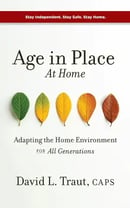
David L. Traut, owner of T-Square Company, has written an award-winning Aging in Place Guide
Age In Place At Home Book

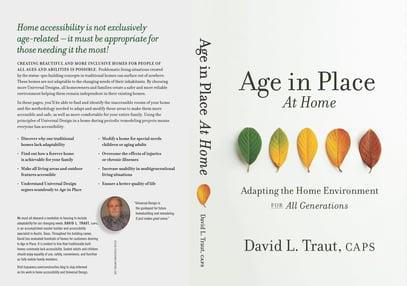
David is also certified in Universal Design in both the United States and Australia. Drawing on decades of expertise, he published Age in Place at Home: Adapting the Home Environment for All Generations, a comprehensive guide that explores the role of Universal Design in creating safe, accessible homes.

📘 Age in Place at Home takes readers room by room, explaining practical modifications that enhance safety, accessibility, and independence. The book is available on Amazon.




Home Accessibility Help


Tags: aging in place remodeling, aging in place, Universal Design,, home accessibility, home safety for seniors, senior living at home, fall prevention, aging in place planning, aging in place conversations

Aging in Place FAQ: Proceeding With Home Modifications For Home Safety

Posted byDavid L. Traut, CAPS on Wed, May 13, 2026 @ 14:05 PM

Organizing Personal Needs to Produce a Plan of Action

Once homeowners decide they want to age in place, the next big question is:

“What home modifications should I actually move forward with to improve safety?”

The answer isn’t doing everything at once — it’s prioritizing the changes that reduce risk, improve daily comfort, and prepare the home for future mobility needs.

Below is a practical roadmap to help homeowners proceed confidently.

aging in place planning for increased safety

Will These Changes Still Feel Like My Home?

Absolutely — when done correctly.

Modern aging-in-place design focuses on:

✔ comfort
✔ beauty
✔ dignity
✔ seamless integration

Today’s universal design blends safety with stylish remodeling — not hospital environments.


Phasing: How to Proceed Without Overspending

Rather than remodeling everything at once, use a phased approach:

✅ Phase 1 – Immediate safety risks

Bathroom upgrades
Lighting improvements
Stair and entry safety

✅ Phase 2 – Accessibility improvements

Door widening
Flooring changes
Kitchen reach adjustments

✅ Phase 3 – Long-term comfort planning

First-floor living conversions
Future mobility accommodations

This strategy controls costs while maximizing safety.


Plan Modifications That Prepare for Future Needs

The smartest upgrades support you now and later — without making your home appear institutional.

Future-ready features include:

  • wider hallways and doors
  • Reinforced bathroom walls using blocking for grab bars
  • step-free showers
  • reachable switches and storage below 48 inches
  • minimal floor transitions

This allows easy adaptation if mobility changes over time.


Start With the Highest-Risk Area: The Bathroom

Bathrooms account for the majority of in-home injuries for older adults.

The most impactful safety upgrades include:

  • curbless or walk-in showers
  • built-in seating
  • grab bars (properly installed into framing)
  • non-slip flooring
  • comfort-height toilets
  • wider entry doors of 36 inches

 These changes reduce fall risk immediately while creating long-term usability.


Improve Entryways and Stairs for Everyday Safety

Difficulty getting in and out of the home — and navigating stairs — is one of the fastest ways independence is lost.

Key upgrades include:

  • zero-step or ramped entrances
  • sturdy handrails on both sides of the stairs
  • brighter stair and hallway lighting
  • contrasting step edges for visibility
  • non-slip stair surfaces

 These modifications significantly reduce the daily risk of falls. 


Enhance Lighting and Flooring Throughout the Home

Often overlooked, lighting and flooring upgrades make a huge difference.

Effective safety improvements include:

  • brighter layered lighting in hallways, stairs, kitchens, and bathrooms
  • eliminating glare and shadows
  • replacing slick floors with slip-resistant materials
  • removing thick rugs and thresholds

Better visibility + stable footing = fewer accidents.


In Summation

Proceeding with home modifications isn’t about fear — it’s about smart planning.

The right upgrades:

• prevent injuries
• preserve independence
• reduce future costs
• make daily living easier
• allow people to stay in the home they love


At T-Square Company, a CAPS Certified Builder, we help homeowners evaluate risks and implement smart, practical safety solutions tailored to their home and lifestyle. Stop procrastinating and schedule an in-home or virtual home assessment today.

Accessible Remodeling • Universal Design • Aging-in-Place

Let’s make your forever home work beautifully for you—now and for years to come.

David L. Traut, owner of T-Square Company, has written an award-winning Aging in Place Guide

Age in Place at Home Book

David is also certified in Universal Design in both the United States and Australia. Drawing on decades of expertise, he published Age in Place at Home: Adapting the Home Environment for All Generations, a comprehensive guide that explores the role of Universal Design in creating safe, accessible homes.

📘 Age in Place at Home takes readers room by room, explaining practical modifications that enhance safety, accessibility, and independence. The book is available on Amazon.

Certified Aging In Place Specialist


Tags: aging in place home modifications, Universal Design,, home accessibility, Age in Place at Home, home safety for seniors, senior home remodeling, independent living at home, aging in place planning, fall prevention at home

Aging in Place FAQ: Top Questions About Home Safety and Modifications

Posted byDavid L. Traut, CAPS on Tue, May 05, 2026 @ 16:05 PM

Aging in place is about more than staying in your home — it’s about staying safe, independent, and comfortable for the long term

Aging in Place Is About Planning, Not Reacting

Aging safely at home isn’t about a single product or a single renovation.

It’s about:
✔ smart design
✔ proactive upgrades
✔ room-by-room planning
✔ long-term comfort

The earlier you start, the easier — and more affordable — it becomes.


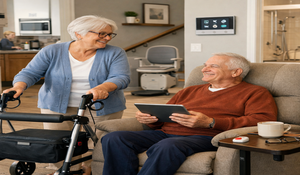
aging in place living room design

Below are the most common questions people ask when planning for aging in place, along with expert guidance to help you make smart, proactive decisions.

1.   How can I make my home safe so I can stay here as long as possible?

Home safety is the foundation of successful aging in place. Preventable hazards cause most injuries that force older adults out of their homes — especially falls.

The biggest risks come from:

  • Falls (especially in bathrooms or kitchens due to their association with water and wet floors, and on stairs)

  • Poor lighting (when inadequate lighting doesn't produce enough definition to improve safety) 

  • Narrow walkways (cluttered, cramped,  or walkways narrower than 36 inches in width are problematic and dangerous)

  • Slippery flooring (slippery wood and tile floors are a hazard)

  • Hard-to-reach storage (the most used stored items should be no higher than 48-52 inches above the floor)

High-impact safety upgrades include:

  • Improved lighting throughout the home (layered task lighting is the best compliment to natural light to overcome dark areas)

  • Non-slip flooring (cork, linoleum, vinyl, and porcelain with the correct safe slip coefficient)

  • Grab bars in bathrooms (around all sides of the shower or tub, and around the toilet, mounted on adequate wood blocking)

  • Zero-step entries (anything greater than 1/2 inch height is unacceptable)

  • Wider doorways and hallways (clutter-free hallways that are 36-48 inches in width)

 These changes dramatically reduce injuries at home while increasing comfort and independence.


2. Is my current home realistic for aging in place, or should I consider moving?

Many people worry about:

  • two-story layouts (these are not a problem when installing a stair lift)
  • small bathrooms (walls may need to push outward into adjacent areas)

  • narrow halls and passages (hallways should be 36-48 inches wide)

  • difficult entrances (all entrances should be 36 inches wide and no threshold higher than 1/2 inch tall)

The truth: most homes can be adapted successfully — often for less than the cost of moving.

A professional accessibility assessment from a CAPS professional helps determine:


✔ what can be modified (seek guidance from a CAPS professional)


✔ what should be prioritized (the most problematic areas of the home)


✔ long-term feasibility (plan for the future)


3. Will aging-in-place upgrades make my home feel like a hospital?

Not when done correctly.

Modern accessibility design focuses on:

  • beauty

  • comfort

  • dignity

  • seamless integration

Today’s universal design looks like high-end remodeling — just safer and smarter.


4. How do I plan for mobility issues I don’t have yet?

Smart universal design prepares the home without making it feel clinical.

Future-ready features include:

  • wider pathways

  • step-free showers

  • reachable switches and outlets

  • reinforced walls using adequate wooden blocking

  • minimal thresholds

This allows easy adaptation if mobility needs change.


5. Will aging-in-place upgrades make my home feel like a hospital?

Not when done correctly.

Modern accessibility design focuses on:

  • beauty

  • comfort

  • dignity

  • seamless integration

Today’s universal design looks like high-end remodeling — just safer and smarter.


6. Where do I start — and who can I trust?

This is one of the most important questions.

Look for professionals who:

  • specialize in aging in place and are CAPS certified (Certified Aging in Place Specialists)

  • understand accessibility modifications and the disability standards with experience

  • uses universal design principles in all its remodeling work

  • offer structured and professional safety assessments

A clear plan prevents unnecessary spending and missed safety risks.

At T-Square Company, a CAPS-Certified Builder, we help homeowners evaluate risks and implement smart, practical safety solutions tailored to their homes and lifestyles.

Accessible Remodeling • Universal Design • Aging-in-Place

Let’s make your forever home work beautifully for you—now and for years to come.

David L. Traut, owner of T-Square Company, has written an award-winning Aging in Place Guide

David is also certified in Universal Design in both the United States and Australia. Drawing on decades of expertise, he published Age in Place at Home: Adapting the Home Environment for All Generations, a comprehensive guide that explores the role of Universal Design in creating safe, accessible homes.

📘 Age in Place at Home takes readers room by room, explaining practical modifications that enhance safety, accessibility, and independence. The book is available on Amazon.

Home Accessibility Help


Tags: aging in place remodeling, aging in place, universal design/build, senior home modifications in Austin, home accessibility modifications, accessible home design, home safety for seniors, independent living at home, aging in place questions, senior fall prevention, aging in place planning, safe home design for seniors, home adaptations for aging