Check out my building blog to learn more about construction for your home or office in Austin! David L. Traut, President, CAPS Certified (512)444-0097

When To Modify A Home For Aging in Place? T-Square Company

Posted byDavid L. Traut, CAPS on Tue, Jun 30, 2026 @ 12:06 PM

The Optimal Time To Begin Home Modifications

Ideally, begin proactively thinking long before mobility becomes severely limited. This allows for less stressful, budget alternatives.  Therefore, aging in place works best when the home evolves gradually through a phased approach, rather than during a crisis. The ideal time to remodel is:

  • Before mobility changes
  • Before surgery or recovery needs
  • Before caregiving becomes urgent
  • While decisions can still be proactive

David L. Traut, CAPS, offers complete aging in place services

Early Beneficial Modifications and Major Accessibility Upgrades To Consider Later

The timeline for the early stages should be during the ages of 50s-60s, where you integrate minor modifications such as lever-style door handles and improved lighting accompanying routine home improvements and repairs.

Additional modifications are accomplished when you notice health changes during the ages of 60s to 70s. Take action immediately when you first feel increased caution when traveling through your home, avoiding certain areas, or experiencing minor mobility changes. 

A Phased Approach To Aging in Place Improvements

Phase 1: Start by removing tripping hazards like throw rugs, adding motion-sensor nightlights, and installing grab bars in the bathroom mounted on substantial wood blocking between the wall studs. These are considered low-cost/high-impact alterations.

Phase 2: Major adjustments include installing stairlifts before stairs become an architectural barrier or converting a first-floor space into a primary bedroom.

The Real Goal of Aging in Place

For many homeowners, the goal is not simply staying in the house longer, but it is preserving:

  • independence
  • dignity
  • safety
  • comfort
  • connection to community
  • and the emotional meaning of home

That is the real definition of a successful forever home.

David Traut, the CAPS Certified owner of T-Square Company, is an award-winning author of Age in Place at Home: Adapting the Home Environment for All Generations , available on Amazon, and a founding member of the National Aging in Place Council (NAIPC).

Ready to create a safer, more accessible forever home?

Schedule a consultation with T-Square Company in Austin, Texas, and learn how a Certified Aging in Place Specialist (CAPS) can help you develop a proactive plan that supports independence, safety, and comfort for years to come.

Certified Aging In Place Specialist


Tags: aging in place, CAPS professional in Austin, Universal Design,, home accessibility, forever home, senior safety, home modifications, independent living, aging in place planning, accessible remodeling

The Overall Trend in Aging in Place

Posted byDavid L. Traut, CAPS on Tue, Jun 23, 2026 @ 13:06 PM

Universal Preference

The aging in place movement is rapidly becoming one of the most important shifts in housing, healthcare, and residential design in America. More adults than ever before want to remain in their own homes as they age rather than relocate to assisted living facilities or institutional care environments. People tend to equate institutional settings with reduced privacy, loss of independence, and social isolation.  Today's surveys consistently show that roughly 75-90% of older adults prefer to remain in their current homes as they age.  Furthermore, there is a massive shift toward prolonged independent living, driven by a desire for autonomy, a declining use of nursing homes, and a rapidly expanding "AgeTech" market.

At its core, the current trend, created by longevity, reflects a major cultural shift: people no longer see aging as something that should automatically require leaving home. Instead, homeowners increasingly view their homes as long-term assets that can be adapted to support safety, independence, wellness, and dignity at every stage of life. Hence, as baby boomers reach retirement age, the healthcare and home design industries are heavily adapting to support seniors living safely at home. 

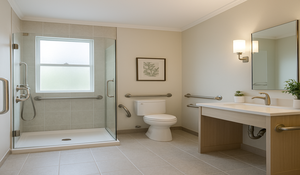
An accessible bathroom created for aging in place

"AgeTech" and Smart Homes

The so-called novelty phase of health tech has matured into structural infrastructure. Homes are being retrofitted with AI assistants, wearable health monitors, automated medication dispensers, and proactive fall-detection sensors.

Telehealth Expansion

Virtual doctor visits and remote diagnostic tools provide real-time patient data, allowing physicians to monitor chronic conditions without requiring frequent in-office visits.

The healthcare industry is increasingly supporting home-based care models and flexible, customized treatment rooms that incorporate universal design principles.

Hospitals, insurers, and healthcare providers now recognize that safe home environments can encourage independence, support mental health, lower long-term health costs, and improve recovery outcomes.

As a result, aging in place is becoming increasingly connected to occupational therapy, home health services, preventive care, and wellness-focused residential design. The best homes of the future will not simply be adapted for living;  the future home is progressing into a complete care ecosystem.

Home Modifications  

Renovations involving widening doorways, adding grab bars, installing walk-in showers, and building first-floor bedrooms have become a major focus for remodeling and construction design. All home modifications are still very important for long-term accessibility.

Solo Agers and Community

Due to shifting family dynamics and smaller support ratios, trends are leaning toward multigenerational living, caregiver additions,  accessible additions, flexible guest suites, co-housing, and village networks that provide safety, sustainability,  community support, and helpful caretaking among various generations. 

Many families are redesigning homes to support aging parents while preserving privacy and independence for everyone involved.

In places like Austin and throughout Texas, interest in accessible ADUs (accessory dwelling units) and flexible housing solutions continues to grow as families seek alternatives to institutional care.

The Challenges

Despite the overwhelming desire to stay home, the US housing stock is largely unprepared, with an estimated 90% of homes lacking the necessary modifications for safe, long-term independent living. Additionally, there is an alarming shortage of professional caregivers, forcing families to rely more heavily on smart monitoring and automated systems to fill the gaps.

Emotional Wellness as a Central Focus

Perhaps the most important trend is that aging in place is no longer viewed only as a construction issue—it is now recognized as a quality-of-life issue. 

The conversation has evolved beyond simply “staying home longer.” The focus is increasingly about creating a forever home that supports healthy, meaningful living across generations.

Professionals like David L. Traut, a CAPS-certified practitioner, is the owner of T-Square Company located in Austin, Texas, and often emphasizes that aging in place succeeds best when homeowners begin planning early, think long-term, and create adaptable environments that evolve with changing needs, rather than waiting for a crisis to force change. David is an active founding member of the National Aging in Place Council.

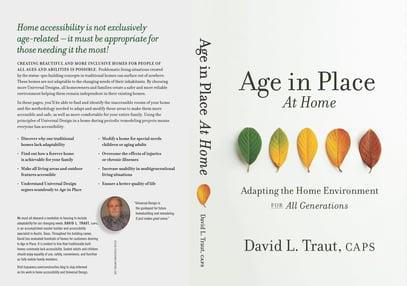
David is also certified in Universal Design in both the United States and Australia. Drawing on decades of expertise, he published Age in Place at Home: Adapting the Home Environment for All Generations, a comprehensive guide that explores the role of Universal Design in creating safe, accessible homes.

📘 Age in Place at Home acts as a guide, taking readers room by room, explaining practical modifications that enhance safety, accessibility, and independence. The book is available on Amazon.

Home Accessibility Help


Tags: aging in place home modifications, aging in place, Universal Design,, aging in place design,, home accessibility, forever home, independent living, senior home safety, CAPS specialist, smart home technology, multigenerational living, aging in place trends, accessible remodeling, senior-friendly design, accessibility solutions

Proactive Aging in Place Planning: Why Flexible Home Designs Matter

Posted byDavid L. Traut, CAPS on Wed, Jun 17, 2026 @ 18:06 PM

Why Waiting Too Long Creates Bigger Problems

A thoughtfully adapted home helps preserve dignity, confidence, and independence rather than making a person feel like they are “aging into decline”, but it's how you accomplish the task that makes a huge difference. 

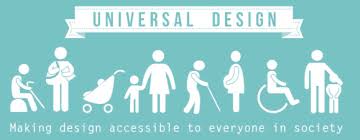
Universal Design makes a home accessible to everyone regardless of age, size, or ability.

The most successful aging in place plans are both flexible and proactive because aging is gradual, unpredictable, and constantly changing. Waiting until after a fall, hospitalization, or health crisis usually forces families into rushed decisions that are more expensive, stressful, and limiting.

Flexible Design for Changing Needs

Flexibility is equally important because physical and cognitive needs evolve. A person may be fully independent today, but later need a mobility device, reduced stair use, in-home caregiver assistance, improved visibility and lighting, easier-to-reach storage, and smart home or monitoring technology.

Universal Design and Long-Term Independence

Homes designed with Universal Design principles can adapt more easily to these changes without requiring major reconstruction later. Features such as zero-step entrances, wider doorways, lever door handles, curbless showers, more open floor plans, and reinforced bathroom walls for future grab bar installation allow the home to evolve with the homeowner.

The Benefits of Proactive Home Modifications

A proactive approach allows homeowners to prepare their environment before serious problems occur. Instead of reacting to an emergency, they can thoughtfully create a home that supports long-term independence, safety, and comfort. For example, installing better lighting, improving stair safety, widening pathways, or remodeling a bathroom early can prevent injuries before they happen. These changes are often simpler and less costly when planned rather than completed during a medical crisis.

Proactive planning also protects homeowners' emotional well-being. Many people want to remain connected to:

  • Their neighborhood
  • Friends and family
  • Familiar surroundings
  • Personal memories
  • Daily routines

Creating a Forever Home That Adapts Over Time

On the contrary, a reactive plan usually begins after experiencing a fall, hospitalization, loss of mobility, caregiver burnout, or following a sudden or extreme diagnosis.  At that point, families are often under emotional and financial pressure. Decisions become rushed, and options may be limited. In many cases, homeowners are forced into temporary solutions or premature relocation because their home was never prepared for changing needs.

In practice, the best aging-in-place plans usually happen in phases:

  1. Early prevention improvements
    Lighting, decluttering, railings, flooring, and bathroom safety.
  2. Accessibility upgrades
    Entry access, wider circulation paths, accessible kitchens,  and bathrooms.
  3. Future-readiness planning
    Smart technology, caregiver accommodations, first-floor living, adaptable spaces.
  4. Long-term adaptability
    Modifications that can evolve as health or mobility changes.

This long-range mindset is why aging in place is most successful when treated as an ongoing lifestyle and home-design strategy—not simply a reaction to aging itself.

Getting Professional Guidance

At T-Square Company, a local CAPS-Certified Builder in Austin, Texas, we help homeowners evaluate risks and implement smart, practical safety solutions tailored to their home and lifestyle. Stop procrastinating and schedule an in-home or virtual home assessment today.

Accessible Remodeling • Universal Design • Aging-in-Place

Let’s make your forever home work beautifully for you—now and for years to come.

David L. Traut, owner of T-Square Company and an active member of The National Aging in Place Council, has written an award-winning Aging in Place Guide

Age in Place at Home Book

David is also certified in Universal Design in both the United States and Australia. Drawing on decades of expertise, he published Age in Place at Home: Adapting the Home Environment for All Generations, a comprehensive guide that explores the role of Universal Design in creating safe, accessible homes.

📘 Age in Place at Home takes readers room by room, explaining practical modifications that enhance safety, accessibility, and independence. The book is currently available on Amazon.

Discover the Principles Of Universal Design

Tags: aging in place remodeling, aging in place, CAPS professional in Austin, Universal Design,, accessible design, accessibility home modifications, forever home, senior safety, National Aging in Place Council NAIPC, independent living, senior home safety, home modifications for seniors, T-Square Company, multigenerational living, accessible living, bathroom safety

Telehealth and Aging in Place: How Technology Is Redefining Homes

Posted byDavid L. Traut, CAPS on Fri, Jun 12, 2026 @ 12:06 PM

The Shift—Healthcare Is Moving Into the Home 

For decades, aging in place focused on accessibility and physical safety, like installing grab bars, wider doorways, and zero-step entries. While these elements remain essential today, a new force is reshaping the industry: telehealth. Due to the technological advancement in remote monitoring, wearables, smart-home systems, and artificial intelligence, the home is becoming part of the care ecosystem itself. The best homes of the future will not simply be adapted for aging. They will be designed to respond to it.

Healthcare is no longer confined to hospitals, doctors' offices,  and clinics. Today, it’s happening in living rooms, bedrooms, kitchens, and especially in customized, flexible treatment rooms inside the home, through virtual visits and remote monitoring.

This shift is redefining what it means to create a safe and functional home that provides independence.

At T-Square Company, in Austin, Texas, we now view the home as more than a residence—it’s a care environment.

 

 telehealth is rapidly changing the aging in place market


Why Telehealth Is a Game-Changer for Aging in Place

Telehealth is removing one of the biggest barriers older adults face: access to care.

1. There is Easier Access to Medical Care 

The obvious benefits include that no transportation is required, there is reduced physical strain on the patient, and there is faster communication with healthcare providers.

For many seniors, especially those with mobility challenges or recovering from surgery, this is the difference between staying home and being forced to relocate.

2. Continuous Health Monitoring

Remote patient monitoring devices now track blood pressure, heart rate, blood glucose, and activity levels.

Instead of waiting for a problem to arise, healthcare providers can intervene early.

This results in fewer hospital visits and greater peace of mind for families.

3. Stronger Support Systems

Telehealth allows caregivers and family members to join virtual appointments, stay informed in real time, and coordinate care more effectively.

This creates a team-based approach to aging in place.

Key Features of a Telehealth-Ready Home

1. Reliable Connectivity

Involving Strong Wi-Fi coverage in all living areas and simple, user-friendly devices

2. Proper Lighting

Including even glare-free lighting for video calls and adjustable fixtures for aging eyes

3. Clear Acoustics

Involving reduced background noise and sound-friendly materials for better communication

4. Accessible Technology

Enhanced by easy-to-reach charging stations, devices positioned at comfortable heights, and large screens and intuitive controls

5. Private Consultation Spaces

Customized rooms for quiet, distraction-free areas and comfortable seating with proper support

How Telehealth Changes Home Design Priorities

It provides a traditional aging in place design focused on preventing falls and improving mobility.

Today, we must expand that approach.

Then vs. Now

A traditional focus was on bathroom safety, entry accessibility, and mobility within the home

The new modern focus is on digital accessibility, integrated health technology, and multi-functional living spaces

This evolution is not replacing traditional design—it’s enhancing it.

Challenges to Address

Despite its benefits, telehealth adoption still faces obstacles:

  • Many older adults are unfamiliar with technology
  • Visual, hearing, or cognitive limitations can create barriers
  • Some homes lack adequate internet infrastructure

The Solution

The answer is not less technology—it’s better design and smarter integration.

At T-Square Company, we emphasize simplicity, ease of use, and the thoughtful placement of devices

The Future of Aging in Place

Telehealth is accelerating a larger transformation:

The home is becoming a complete care ecosystem.

This includes smart home systems, remote monitoring, virtual healthcare, and caregiver coordination.

Together, these elements allow individuals to remain independent longer—safely and confidently.

Practical Steps to Create a Customized Telehealth-Ready Treatment Room

Here’s a simple checklist to get started:

  • Ensure strong Wi-Fi coverage throughout the home
  • Improve lighting in key living areas
  • Designate a quiet space for virtual appointments
  • Install accessible charging stations
  • Choose easy-to-use devices with larger displays
  • Reduce trip hazards around tech areas

Final Thoughts—Home Is Still Home

Telehealth is not just changing healthcare—it’s transforming how we think about home.

The future of aging in place is not simply staying in a home longer; it is about creating homes that actively help people remain safe, healthy, connected, and independent.

With the right modifications, aging in place is no longer just possible—it’s sustainable.

Therefore, the well-designed homes of the future will not just accommodate accessibility and aging, they will help manage it.

About the Author

David L. Traut, CAPS, is the owner of T-Square Company in Austin, Texas, and a Certified Aging-in-Place Specialist with over 30 years of experience in design/build construction. He is the author of the gold Global Book Award-winning Age in Place at Home: Adapting the Home Environment for All Generations, where he shares practical solutions for creating universally designed, safe, accessible, and comfortable living spaces. David takes you room by room, offering intelligent room modifications for aging in place.


 

Certified Aging In Place Specialist


Tags: CAPS, aging in place, Universal Design,, home accessibility, senior safety, home modifications, T-Square Company, smart home technology, telehealth, caregiving

Aging in Place Conversations Every Family Should Have

Posted byDavid L. Traut, CAPS on Wed, Jun 03, 2026 @ 14:06 PM


These aging-in-place conversations are often the difference between proactive planning and crisis decisions about loved ones.

Planning to age in place successfully requires more than home modifications. It requires open conversations about safety, independence, finances, and future care needs.

Too often, these discussions happen after a fall, illness, or emergency. Having them early allows families to make thoughtful decisions that preserve independence and reduce stress later.


aging in place conversations every family should have


T-Square Company — Austin, TX

David L. Traut, CAPS #1636580, owner/president, Member National Aging in Place Council (NAIPC)

Here are the most important Aging in Place conversations to have ASAP

1. Talking About Staying At Home Long-Term

This is the foundational question.

Some people strongly want to remain in their current home, while others are open to moving if necessary. Understanding this preference guides every other decision.

Important discussion points include:

    • emotional attachment to the home
    • neighborhood support and proximity to services
    • practicality of modifying the house
    • long-term comfort and safety

Many families discover that aging in place is possible with the right modifications and planning.

2. Discussing Home Safety and Accessibility

This conversation focuses on identifying potential risks before they become problems.

Areas to evaluate include:

    • bathroom safety
    • stairs and handrails
    • entry access
    • lighting throughout the home
    • flooring and fall hazards

A professional home safety assessment can help prioritize improvements and reduce risk.

3. Preparing For Future Home Changes

Instead of reacting to mobility issues later, proactive or universal design prepares the home in advance of need.

Common aging-in-place improvements include:

    • walk-in or curbless showers
    • grab bars and reinforced bathroom walls
    • wider doorways and hallways
    • improved lighting
    • zero-step entries

These changes allow people to stay comfortable and independent longer.

4. Preparing For Future Health Changes

Mobility and health needs can change gradually or suddenly.

Important considerations include:

    • use of walkers or wheelchairs
    • bathroom accessibility
    • bedroom location
    • access to medical care

Planning for possible changes ensures the home can adapt over time.

5. Creating A Support Network

Aging in place works best when there is a reliable support network.

This may include:

    • nearby family members
    • trusted neighbors
    • community services
    • home health providers
    • transportation options

Understanding these resources helps families plan realistically.

6. Financial Planning For Aging In Place

Financial planning is an essential part of aging in place.

Families should discuss:

    • remodeling budgets
    • long-term financial priorities
    • insurance or benefit programs
    • home equity considerations

Planning early prevents difficult decisions later.

7. Preparing For Changing Living Needs

Even with planning, circumstances can change.

It’s important to talk about:

    • When additional help might be needed
    • What signs indicate safety concerns
    • Backup living options if necessary

Having a plan reduces anxiety and uncertainty for everyone involved.

8. Getting Help For Decision Making

Legal and decision-making planning is critical.

This includes:

    • medical decision authority
    • financial management
    • emergency contacts
    • long-term care planning

These conversations protect independence while ensuring support is available.

Why These Conversations Matter

Aging in place works best when families plan early rather than react to emergencies.

The goal is not simply staying in a home — it is creating a home that supports:

safety
independence
comfort
dignity

With the right planning, many people can remain in their homes for decades longer than expected.

Final Thought

Aging in place is ultimately about thoughtful preparation and open communication. When families talk about these topics early, they create a roadmap that allows loved ones to live safely and confidently at home.

512-444-0097

Accessible Remodeling • Universal Design • Aging-in-Place

Let’s make your forever home work beautifully for you—now and for years to come.


David L. Traut, owner of T-Square Company, has written an award-winning Aging in Place Guide

Age In Place At Home Book

David is also certified in Universal Design in both the United States and Australia. Drawing on decades of expertise, he published Age in Place at Home: Adapting the Home Environment for All Generations, a comprehensive guide that explores the role of Universal Design in creating safe, accessible homes.

📘 Age in Place at Home takes readers room by room, explaining practical modifications that enhance safety, accessibility, and independence. The book is available on Amazon.


Home Accessibility Help


Tags: aging in place remodeling, aging in place, Universal Design,, home accessibility, home safety for seniors, senior living at home, fall prevention, aging in place planning, aging in place conversations