Check out my building blog to learn more about construction for your home or office in Austin! David L. Traut, President, CAPS Certified (512)444-0097

Practical Solutions Concerning Home Accessibility Modifications

Posted byDavid L. Traut, CAPS on Thu, Mar 12, 2026 @ 13:03 PM


A T-Square Company Resource | Aging in Place Made Simple

As we age, the home we love can quietly become filled with hazards — slippery floors, poor lighting, narrow pathways, and hard-to-reach spaces. The good news? With thoughtful design and targeted modifications, nearly every home can be transformed into a safer, more comfortable environment that supports independence for years to come.  For homeowners wanting to age in place—or for families supporting aging or disabled loved ones—small changes can make a huge impact on safety, mobility, and independence. Below are practical, effective accessibility solutions for home accessibility modifications that improve everyday living without requiring a full remodel.

Use these ideas to educate your readers, convert visitors, and reinforce T-Square Company’s role as Austin’s trusted Certified Aging-in-Place Specialist (CAPS).

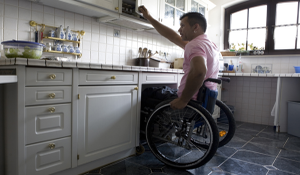
wheelchair accessible kitchen


1. Improve Safety Using Simple, Low-Cost Upgrades

These updates and practical solutions require minimal construction but dramatically increase safety:

✔ Install Grab Bars

Place them near toilets, showers, and tubs to prevent falls.
Tip: Opt for reinforced walls and ADA-rated supports, which include adequate blocking to withstand a sheer force of 250-300 pounds.

✔ Add Non-Slip Flooring

Non-slip tile, vinyl, or textured surfaces help reduce bathroom and kitchen hazards.

✔ Replace Doorknobs with Lever Handles

Easier to use for anyone with arthritis, grip weakness, or limited hand function.

✔ Increase Household Lighting

Use LED bulbs, nightlights, and motion-sensor lighting to improve visibility and reduce fall risks.

✔ Add Handrails in Hallways

Support balance throughout the home—especially in long hallways or stair areas.


2. Make Everyday Mobility Easier

These modifications help homeowners move freely and safely.

✔ Widen Doorways

Allow walkers, wheelchairs, or mobility devices to pass through comfortably (ideally 36").

✔ Install Ramps or Zero-Step Entries

Eliminate trip hazards at the front door, garage, or patio.

✔ Smooth Out Flooring Transitions

Remove thresholds or add bevels so mobility devices glide smoothly between rooms.

✔ Rearrange Furniture for Clear Paths

Create accessible “travel lines” from room to room.


3. Bathroom Accessibility Solutions

The bathroom is the #1 area where falls occur—so improvements here have the greatest impact.

✔ Walk-In or Curbless Showers

Easy entry and exit without stepping over a tub or curb.

✔ Shower Seats or Fold-Down Benches

Provide safe seating for bathing.

✔ Handheld Adjustable Showerheads

Increase comfort, safety, and independence.

✔ Comfort-Height Toilets

Raise the toilet height for easier sitting and standing.

✔ Slip-Resistant Tile

Prevent bathroom falls even when surfaces are wet.


4. Kitchen Accessibility Solutions

Accessibility meets convenience in a well-designed kitchen.

✔ Pull-Out Shelves & Drawers

Reduce bending, reaching, or straining.

✔ D-Shaped Drawer Handles

Easier to grasp than traditional knobs.

✔ Side-Opening Wall Ovens & Induction Cooktops

Safer and more ergonomic for older adults.

✔ Lowered or Adjustable Countertops

Ideal for seated use or limited reach.

✔ Better Task Lighting

Under-cabinet lighting helps prevent accidents.


5. Bedroom Safety & Accessibility Solutions

Enhance comfort, mobility, and nighttime safety.

✔ Install Motion-Activated Lighting

Pathway lights illuminate automatically when someone gets out of bed.

✔ Adjust Bed Height

Make standing and sitting easier and safer.

✔ Add a Bedside Grab Pole

Useful for balance, transfers, or assistance.

✔ Keep Flooring Low-Pile or Smooth

Reduce tripping hazards and improve mobility device performance.


6. Whole-Home Smart Technology Enhancements

Technology can be a powerful partner in safe aging.

✔ Smart Thermostats

Keep temperatures steady and easy to control.

✔ Voice-Activated Lighting

Great for low mobility or limited dexterity.

✔ Smart Locks & Video Doorbells

Enhance security and reduce risky trips to the door.

✔ Fall-Detection Devices & Emergency Alerts

Support safety for independent living.


7. Exterior & Entryway Accessibility Fixes

Ensure safety from the moment you arrive home.

✔ Ramps, Railings & Handrails

Support balance and safe entry.

✔ Exterior Lighting Upgrades

Motion sensors and pathway lights reduce fall risks at night.

✔ No-Step Thresholds

Eliminate tripping hazards at doorways.

✔ Widening Gate or Entry Access

Accommodate mobility devices or walkers.


Why These Modifications Matter

Practical home modifications:

  • Reduce fall risks

  • Support mobility limitations

  • Increase comfort and confidence

  • Avoid costly long-term care facilities

  • Help seniors remain in the home they love

With the right guidance, these changes can be made safely, efficiently, and affordably.


Work With Austin’s Trusted Accessibility Experts

As a Certified Aging-in-Place Specialist (CAPS) with over 30 years in residential design and remodeling, I’ve helped countless families turn everyday houses into accessible, future-ready homes.  T-Square Company is a Certified Aging-in-Place Specialist (CAPS) with over 35 years of accessibility remodeling expertise. We help homeowners design safer, more functional living environments through:

  • Professional home assessments

  • Customized accessibility plans

  • Bathroom & kitchen remodels

  • Universal Design solutions

  • Aging-in-place guidance for families and caregivers

T-Square Company — Austin, TX

David L. Traut, CAPS #1636580, owner/president, Member National Aging in Place Council (NAIPC)

512-444-0097

Accessible Remodeling • Universal Design • Aging-in-Place

Let’s make your forever home work beautifully for you—now and for years to come.

Age in Place at Home Book

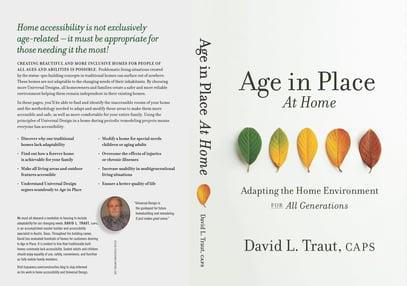
David is also certified in Universal Design in both the United States and Australia. Drawing on decades of expertise, he recently published Age in Place at Home: Adapting the Home Environment for All Generations, a comprehensive guide that explores the role of Universal Design in creating safe, accessible homes.

📘 Age in Place at Home takes readers room by room, explaining practical modifications that enhance safety, accessibility, and independence. The book is available now on Amazon.

Certified Aging In Place Specialist


Tags: senior aging in place services, home modifications for children with disabilities, home modifications for elderly in Austin, universal design/build contractor, universal design vs. aging in place, what is aging in place, the basics of aging in place, Barrier-free designs, home accessibility modifications, how to age in place, senior home remodeling, David L. Traut, CAPS, accessible bathrooms, fall prevention, mobility solutions, CAPS certified professional, independent living at home

Home Accessibility Modifications in Austin: A Practical Solutions Guide

Posted byDavid L. Traut, CAPS on Thu, Feb 26, 2026 @ 12:02 PM


As we age, unexpected life changes—like health diagnoses or sudden falls—can make staying in our homes feel uncertain. This guide empowers challenged homeowners, families of aging or disabled loved ones, and the professionals who support them with targeted, time-saving modifications and innovations that keep people comfortable and independent at home. With practical solutions for every scenario, you'll turn your living space into a safe, accessible home-quickly and confidently.

A home that fits you—today and tomorrow—your forever home, doesn’t happen by accident. As Austin’s pace of life hums along and families plan for multigenerational living, small design choices can make a big difference in safety, comfort, and independence. At T-Square Company in Austin, we specialize in Universal Design and Aging-in-Place remodeling that blends beautiful finishes with smart, barrier-free functionality. We understand the meaning of aging in place.

Based on David Traut's background, the owner/president of T-Square Company, and as a certified aging in place specialist and designer who recognizes how the home can be reimagined as a place we grow out of, but as one that grows with us, he is providing this roadmap for clients desiring to Age in Place. 

Below is a clear roadmap to help you understand the “what,” “why,” and “how” of making your Central Texas home more accessible—without making it look like a clinic.


What "Home Accessibility Modifications in Austin” Means in a Forever-home 

  • Universal Design home upgrades create spaces that work for everyone—kids, guests, aging parents, and you on your most tired day.
  • Aging-in-Place focuses on keeping you safely in the home you love as needs change.
  • ADA ≠ residential code. ADA is for public/commercial spaces. In homes, we use the principles—clearances, reach ranges, slip resistance—adapting them to residential scale and style.

Objections:

  • Customers fear home accessibility modifications in Austin might look “institutional” or decrease home value
  • Customers are worried about being scammed or sold unnecessary renovations
  • Clients doubt they’ll have time to manage a big project with their busy schedule
  • Consumers are unsure if changes can be made within their limited budget

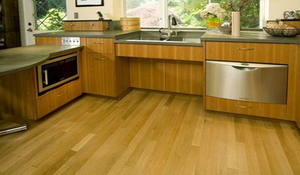
accessible kitchen upgrade


Transformation Promise:


Empower homeowners and families to age safely and comfortably at home, using proven, practical modifications that fit any home, any budget—and give them lasting confidence and peace of mind.


Timelines & Process (How We Work)

  1. Consultation & Accessibility Audit – walk-through, measurements, priorities
  2. Concept & Budget – align scope with investment; value-engineer options
  3. Detailed Design – drawings, selections, fixtures, smart-home plan
  4. Build & Protect – dust control, daily site tidiness, clear communication
  5. Training & Handover – we show you how to use every new feature confidently

Note: Structural changes (widening openings, removing walls) may require engineering review. We handle the coordination.


Austin-Specific Considerations

  • Pier-and-beam vs. slab: Many older Central Austin homes sit on pier-and-beam—great for adding drains and adapting plumbing for curbless showers. Slab homes require careful planning and often a linear drain with surface slope.

  • Heat & glare: Add shading, low-gloss finishes, and daylight-balanced bulbs for visibility without harsh reflections.

  • Storm swings: Choose exterior thresholds and drainage that handle sudden downpours without creating door-dam hazards.


Start Here: The Austin Home Accessibility Audit

When we visit your home, we walk through every space you use daily and assess:

Approach & Entry

  • One no-step entry, stable surfaces, good drainage (key in our Hill Country rains).
  • Door lighting and house numbers are visible from the street.

  1. Circulation & Doorways

    • Wider clear openings (target 34–36”), low or no thresholds.
    • Lever handles instead of knobs.
     
  2. Bathroom Safety

    • Zero-threshold shower, non-slip tile, and blocking in walls for future grab bars.
    • Shower controls at the entry, bench, or fold-down seat, handheld wand.

  3. Kitchen Function

    • Work zones with knee space, pull-outs, drawers over doors, and reachable storage.
    • Induction cooking, front-edge lighting, contrasting edges for visibility.
     
  4. Bedroom & Closet

    • Bed transfer space, rocker switches at entries, and adjustable rods/shelves.
     
  5. Lighting & Controls

    • Bright, even lighting; motion sensors in halls; smart switches within easy reach.
     
    • Continuous, low-gloss flooring; minimal height changes between rooms.

    • Floors & Transitions

You’ll get a prioritized plan: fast fixes, mid-range upgrades, and structural changes if needed.


Budgeting Wisely

  • Bundle accessibility goals with an upcoming remodel to save on labor and finishes.

  • Phase the work: start with bathrooms and entries, then kitchen and bedrooms.

  • Think resale: Universal Design often broadens your future buyer pool in Austin’s competitive market


Ready for an Accessibility Walk-Through?

Whether you’re planning or solving an immediate safety concern, T-Square Company can help you create a home that supports independence gracefully.

Book a Home Accessibility Audit (Austin and surrounding area):

  • Prioritized punch list with “Good • Better • Best” options

  • Rough budgeting guidance

  • Recommendations you can implement immediately

T-Square Company — Austin, TX

David L. Traut, CAPS #1636580, owner/president

512-444-0097

CAPS Certified Accessible Home Remodeling • Universal Design • Aging-in-Place Remodeling

Let’s make your forever home work beautifully for you—now and for years to come.

Age in Place at Home Book


David is part of a select group of professionals nationwide who have earned the Certified Aging in Place Specialist (CAPS) designation to professionally increase senior home safety improvements, including wheelchair accessible home features.

This certification, offered through the National Association of Home Builders (NAHB) in collaboration with AARP, recognizes remodelers and builders trained to meet the unique needs of older adults and individuals with disabilities. David is also an active member of the National Aging in Place Council (NAIPC).

David is also certified in Universal Design in both the United States and Australia. Drawing on decades of expertise, he recently published Age in Place at Home: Adapting the Home Environment for All Generations, a comprehensive guide that explores the role of Universal Design in creating safe, accessible homes.

📘 Age in Place at Home takes readers room by room, explaining practical modifications that enhance safety, accessibility, and independence. The book is available now on Amazon.

Certified Aging In Place Specialist

Tags: CAPS certified remodeling in Austin, aging in place services, aging in place specialist in Austin, age in place home design, accessible homes in austin, aging parents caregiver guide, home accessibility help, Universal Design Building Professional in Austin, senior home remodeling, fall prevention for seniors, home accessibility modifications in austin, T-Square Company, mobility-friendly homes, Austin home remodeling, accessible bathrooms

Aging in Place: Frequent Questions and First Steps for Home Safety

Posted byDavid L. Traut, CAPS on Wed, Jan 28, 2026 @ 13:01 PM


David L. Traut, the owner of T-Square Company located in Austin, Texas, is a Certified Aging-in-Place Specialist (CAPS) and author of the award-winning book Age in Place at Home: Adapting the Home Environment for All Generations(2022). David is also a standing member of The National Aging in Place Council and the NAHB. 

As a CAPS-certified home remodeler with over 30 years of experience adapting houses for safer senior living, I often hear the same question from older adults and their families: “How can I make my home safe so I can stay here as long as possible?” In fact, this is the most frequently asked question among those planning to age in place. It appears in many forms, but no matter how it’s phrased, the heart of the concern is the same – ensuring the home is safe and accessible for the long term.

Why Home Safety Is the Top Concern for Aging in Place

Home safety is the foundation of successful aging in place. Falls are the leading cause of serious injury for older Americans, so it’s no surprise that safety modifications are a top priority. Unsafe layouts, cluttered pathways, poor lighting, and inaccessible bathrooms can quickly turn a beloved home into a hazardous place. In fact, common home hazards like clutter, dim lighting, and lack of supports (e.g., grab bars) greatly increase the risk of falls. Since falls can lead to broken bones or hospitalizations, eliminating these dangers is critical for independent living. Simply put, if your home isn’t safe, it won’t matter how much you want to stay there – safety is non-negotiable for aging in place. It’s no surprise that questions about preventing falls and modifying the home for safety are the most common starting point.

Introduction

Aging in place – choosing to live in your own home safely and independently as you get older – comes with many questions. As a CAPS-certified professional, I often hear one question more than any other from older adults and their families: “How can I make my home safe so I can stay here as long as possible?” This broad concern appears in many forms, such as:

  • “What home modifications do I need to live in my home safely?”

  • “How can I prevent falls?”

  • “What changes should I make in my house to stay independent?”

These all boil down to making the home environment as safe and accessible as possible for the long term, while defining the home most people want and desire.

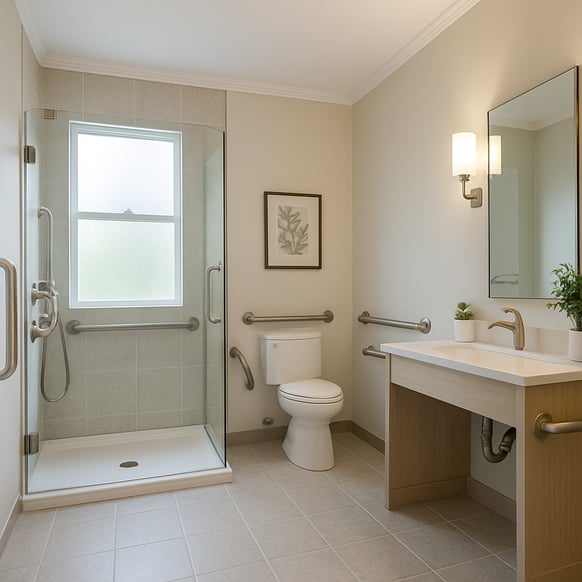
The image showcases a modern accessible bathroom designed for aging in place The room features a spacious layout with a barrier-free shower

Other Frequently Asked Questions about Aging in Place

Beyond general home safety, people have many other questions when deciding whether they can age in place. Here are some of the most common questions I’m asked, along with brief answers:

  • How do I know if aging in place is realistic for me? – Start by taking an honest look at your personal situation. Assess your current health, mobility, finances, and support network. Do you have any chronic conditions or mobility issues that might worsen over time? Can your budget cover home modifications or in-home care if needed? Do you have family, friends, or community services nearby to help if you need assistance? Answering these questions will help determine if living at home long-term is a safe and practical option.

  • What home modifications are essential, and how much will they cost? – Certain modifications are considered “must-haves” for safety. These typically include installing grab bars in bathrooms, converting tubs to walk-in showers, adding wheelchair ramps or zero-step entries, improving lighting (especially in hallways and stairways), and possibly incorporating smart-home technology (like voice-activated assistants or automated sensors). The cost can vary widely depending on your home’s existing layout and condition. Small changes like grab bars and lighting are relatively inexpensive, whereas major renovations (like a bathroom remodel for accessibility) will cost more. It’s wise to get an assessment from a CAPS professional who can give you specific cost estimates for your situation.

  • What services are available to help me stay at home? – Aging in place doesn’t mean doing everything on your own. There are many services to support seniors living at home. For example, in-home caregiving services can assist with daily activities or personal care. Meal delivery programs or grocery delivery can ensure you’re eating well without needing to shop and cook every day. Transportation services or senior shuttles can help you get to appointments if you no longer drive. Telehealth services allow you to consult with doctors remotely. Even medication management apps or services can help you organize your prescriptions. Tap into local community resources, nonprofit organizations, or senior centers – they often have lists of reliable services for everything from home maintenance to companionship.

  • How can I prepare financially to live at home long-term? – Budgeting for aging in place is essential. You’ll need to account for home modification costs, ongoing maintenance, and potential in-home care or medical expenses over time. Review your insurance to see if it covers any home health care or equipment. Look into programs or grants for seniors that help fund home modifications (some communities have grants for installing ramps or safety features). It’s also wise to set aside an emergency fund for unexpected repairs (like an HVAC replacement or a new roof) so that home upkeep doesn’t become overwhelming. Consulting a financial planner who has experience with elder care planning can provide personalized guidance. The key is to plan early, so you aren’t caught off guard by expenses later.

  • What technology can help me stay independent? – Technology is a great ally for aging in place. Medical alert systems (wearable devices or home units that can call for help at the press of a button) provide peace of mind in case of falls or emergencies. Smart sensors can detect things like smoke, carbon monoxide, or even monitor if a fridge has been opened (useful for tracking daily routines). Video doorbells let you see who’s at the door without getting up, enhancing security. Voice-activated assistants (like Alexa or Google Home) can control lights, thermostats, make calls, or even remind you to take medications. Many of these technologies are relatively affordable and user-friendly, and they can significantly boost safety and independence.

  • How do I maintain social connections and avoid isolation? – Loneliness is a common issue for seniors living at home, but there are ways to stay connected. First, make use of community programs – many neighborhoods, senior centers, or faith organizations host regular gatherings, classes, or social events for older adults. Take advantage of transportation services if driving is an issue, so you can attend events or simply meet friends for lunch. Embrace technology for communication: learn to use video calling (Zoom, FaceTime) to regularly chat with family and friends who might not live nearby. Some communities have telephone check-in programs or friendly visitor programs, where volunteers call or visit seniors weekly. The key is to be proactive – schedule social activities on your calendar just as you would medical appointments, so you make socializing a priority. Maintaining those human connections will greatly improve your quality of life as you age in place.

First Steps to Take (Beyond Contacting a Seasoned CAPS Professional)

Once you’ve decided to pursue aging in place, where should you begin? Aside from consulting a Certified Aging-in-Place Specialist for professional guidance, here are eight first steps you can take on your own to get the ball rolling:

  1. Self-Assess Your Personal Needs: Consider your daily routines and challenges. Do you struggle to climb stairs or step over the bathtub? Is it getting harder to carry laundry up from the basement? Identify what tasks or home features are becoming difficult – this will guide which modifications are most urgent. Also, list any health conditions or mobility issues you have, as these will influence your needs (e.g., arthritis might make turning doorknobs painful, suggesting a need for lever-style handles).

  2. Evaluate Your Home’s Safety: Do a walkthrough of your home with a critical eye (and ideally, a checklist). Look for hazards like loose throw rugs, clutter on the floor, poor lighting in hallways, lack of grab bars in the bathroom, or uneven thresholds that could cause trips. Check if stair railings are sturdy. Imagine navigating your home using a walker or wheelchair – what obstacles would you encounter? This evaluation will highlight what needs to be fixed or changed for better safety.

  3. Prioritize Fall Prevention: Falls are a major threat, so prioritize changes that reduce fall risk. This might include installing better lighting (especially night lights for halls and bathrooms), improving flooring (no slick surfaces; consider non-slip coatings or low-pile carpeting), and adding support bars or railings where needed. If you have stairs, think about options like stair lifts or creating a living space on the first floor in the future. Rank your list of fall hazards and tackle the most dangerous ones first.

  4. Build a Support Plan: Successful aging in place often “takes a village.” Outline who can help you and in what ways. This support plan might include family members, neighbors, or friends who can check in regularly or assist with errands. It also includes professional services – for example, knowing which home care agency you would call if you needed help with personal care, or which handyman service you trust for home repairs. Having a support network and resources identified in advance will make it easier to get help when you need it.

  5. Plan for Long-Term Home Modifications: Some modifications are urgent (like preventing falls), but it’s wise to also plan for the future. Consider what you might need 5, 10, or 15 years down the road. If you’re healthy now but have a progressive condition, anticipate those changes. Long-term plans might include remodeling a bathroom for wheelchair accessibility, widening doorways, or even relocating a bedroom to the ground floor. You don’t have to do these big projects immediately, but start researching costs and options. Having a roadmap will help you budget and avoid crisis renovations later.

  6. Review Financial Options: Take a close look at your finances and see how you can fund your aging-in-place plan. If modifications are needed, will you use savings, or are there loans/grants available? Investigate programs like HUD’s home repair grants, VA benefits (for veterans, there are sometimes funds for home accessibility), or local nonprofit grants for seniors. Also consider long-term care insurance or reverse mortgages as tools that some use to finance aging in place (each comes with pros and cons, so possibly consult a financial advisor). The goal is to ensure you can afford the help and changes you’ll require over time.

  7. Communicate Your Plan to Family: It’s important to let your close family or loved ones know about your wishes and plans. Sit down with them to discuss that you intend to age in place, what modifications you plan to make, and how they might support you. This conversation is key to managing expectations – for instance, if you ever need assistance, your family will already know your preference is to receive help at home rather than move to a facility. Clear communication now can prevent misunderstandings or conflicts later, and you may find family members are eager to help once they understand your plan.

  8. Start with Easy, Affordable Improvements: Don’t wait for a perfect time or huge budget to begin; some changes can start right away. By tackling a few small fixes now, you build momentum and immediately improve safety.

Start with Small, Quick Wins for Safety

To get momentum going, begin with simple, low-cost improvements that make your home safer immediately. These “quick wins” not only reduce hazards right away, but also give you a sense of accomplishment as you kickstart your larger aging-in-place plan. Here are a few easy improvements to consider:

  • Brighten the Lighting: Add LED light bulbs or battery-powered stick-on lights in dim areas. One popular trick is using LED rope lights along hallways,  stairs, or for outlining cabinet kick panels along the floor to clearly illuminate pathways at night.  Remember, good lighting helps prevent trips and falls. Place night lights in key areas like bedrooms, hallways, entryways, and bathrooms. Motion-activated night lights will automatically illuminate these areas if you get up during the night, so you don’t have to fumble for switches in the dark.

  • Secure or Remove Throw Rugs: Throw rugs can be slip and trip hazards. Remove small area rugs altogether, or if you really want to keep a rug, use double-sided carpet tape or non-slip backing to firmly secure it to the floor. Also, tape down any curled carpet edges. This eliminates one of the most common fall triggers in homes.

  • Install Grab Bars in the Bathroom: Bathrooms are a high-risk area for falls due to wet, slippery surfaces. Install grab bars near the toilet and inside the tub or shower. Don’t wait until you need them – put them in now so you and your guests have extra support. There are many styles available that look nice, but not institutional,  and can be installed without a major remodel. If drilling into tile is a concern, there are even some clamp-on bars for tubs (just ensure any product you use is sturdy and well-reviewed for safety).

  • Simplify Showering: Consider adding a handheld showerhead on an adjustable slide bar. This allows you to shower while seated (if you use a shower chair or bench) and adjust the height easily. It’s a cheap upgrade that makes bathing easier and safer. Also, ensure non-slip mats or stick-on traction decals are on the tub/shower floor to prevent slipping.

  • Declutter Pathways: Walk through your home and clear all pathways to be at least 36 inches wide (this width is ideal for walkers or wheelchairs, and also just safer for everyone). Remove any unnecessary furniture or clutter from hallways and high-traffic areas. Remove or rearrange any furniture that blocks pathways. Not only does this help prevent tripping, but it also makes the home feel more open and navigable. The goal is to have clear, wide walking paths from room to room. This will not only reduce fall risk but also make it easier should you ever need to use a mobility aid. 

  • Swap Doorknobs for Levers: Lever-style door handles are much easier to operate, especially if you have any grip weakness or arthritis. Unlike round knobs that require twisting, levers you can push down with minimal effort (even with an elbow if your hands are full). Replacing a few key doorknobs (like the front door, bedroom, and bathroom) with lever handles is a quick project that can make daily life easier.

These inexpensive steps offer immediate safety benefits and set the stage for more involved modifications down the line. By making a few quick changes now – better lighting, removing tripping hazards, adding basic supports – you create a safer home while you plan larger projects. Each small victory not only reduces your current risk but also builds confidence that you can adapt your home successfully.

Moving Forward

Aging in place is a journey, and every journey starts with a first step. Aging in place is absolutely achievable with thoughtful planning and proactive changes.  By asking the right questions and taking proactive measures like the ones above, you are empowering yourself to live safely and independently in the home you love. Remember that aging in place doesn’t mean doing it alone – use the expertise of professionals (like CAPS remodelers, medical providers, and financial advisors), and lean on community services and loved ones for support. By addressing home safety, leveraging support services and technology, and communicating with your family, you can create a living situation that supports your independence for years to come. Remember that you don’t have to do everything overnight – start small and build on each success.  With a solid plan and the right home environment, you truly can “age in place at home".

For a more detailed roadmap to aging in place, including comprehensive home modification checklists and design tips, take a look at Age in Place at Home: Adapting the Home Environment for All Generations. In my book, I delve deeper into making your home safe and comfortable for every stage of life, blending professional recommendations with practical advice. Aging in place is about preserving the comfort, dignity, and familiarity of your home — with the right preparations, you really can stay in the place you love as long as possible.


 Certified Aging In Place Specialist 


Tags: aging in place home modifications, aging in place, certified aging in place specialist, home accessibility, home safety for seniors, elder home design, senior living at home, senior home remodeling, stay at home senior planning, David L. Traut, CAPS, age in place at home (book tag), Independent living for seniors, smart home technology for aging, aging in place checklist, fall prevention for seniors