David L. Traut, CAPS
In 1974 while obtaining a graduate degree from the University of Texas at Austin an innate talent was acknowledged and T-Square Company was formed as a means to remodel both friends and Professors homes. This began a quest for constructive footprints leading to a lifetime of challenge. My researching practices evolved into the art of building the most efficient structures possible utilizing the ever changing technologies benefiting construction.
With over three decades of experience in both residential and commercial construction techniques a hybrid type of building became available to our clients insuring a successful completion of their projects. We incorporate our in house craftsmen with a qualified group of licensed subcontractors to get your project done professionally, in budget, and on time.
Disability is a complex phenomenon representing an interaction between one's physical impairments, the activities one needs to perform, and the architectural barriers within the space in which this situation occurs. Each individual demonstrates the complexity with similar impairments describing his or her limitations differently. The blind don't experience their world the same as a person with deafness. Some of our societal statistics that weigh into Aging in Place situations include reports stating that 19% of the population between the ages of 16 and 64 and 42% of those of us 65 and over have a physical disability affecting the activities of their daily lives.
The situation holds true for adults, and for children with special needs. The building world must work in unison to be sure the entire living environment meets basic needs in addition to affordability and structural integrity for the consumer and homeowner. This includes the home and the components within the home being accessible to all inhabitants needing it most once architectural barriers become a recognized problem for any particular family member regardless of age or ability. Privacy, a sense of belonging, a sense of control, and the sense of safety and security make up the quality of life for any home and should be considered for any barrier-free design.
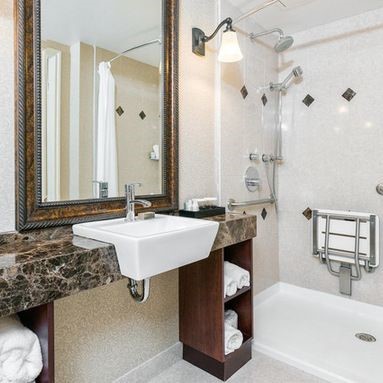
Traditional homes are commonly full of barriers restricting maneuverability for anyone with a disability. This situation is accentuated once any mobility device is required. Houses typically exhibit home entrances involving steps, narrow doorways, tight hallways with abrupt turns, cramped bathrooms inhibiting comfortable fixture use, inaccessible outside amenities, congested and unfriendly kitchens, and door locking hardware requiring hand strength and coordination.
The concept of the accessible home has evolved beyond the basic grab bars and ramps to one in which accessibility is built into the basic design. Everyone ages differently and has different needs and wants. These factors have brought about the need for Universal Design. This is the design of products, services, and environments usable by as many people as possible regardless of age, ability, or situation without needing adaptation or specialized alterations. It provides the most significant safety and access for home guests or occupants and is undetectable when done well. The principles of Universal Design enable living in a home with more comfort and adaptability for people of all ages and abilities.

Fortunately for people needing increased accessibility beyond what their existing home offers, there is home accessibility help available in Austin, Texas, offered by T-Square Company. T-Square Company specializes in handicap accessible homes and barrier-free remodels having over 30 years of accessibility experience. They provide customized disability home modifications for any age resident with special needs. T-Square Company offers a complete assortment of disability services to help cushion and adapt to any disability including barrier-free home design/build projects. Wider entries and hallways, accessible bathrooms and showers, accessible kitchens, ramped entrances, vertical platform lifts, stair lifts, elevators, and accessible rooms of any type are just a few of the services offered. Every design is based on the specific needs and abilities of the client.
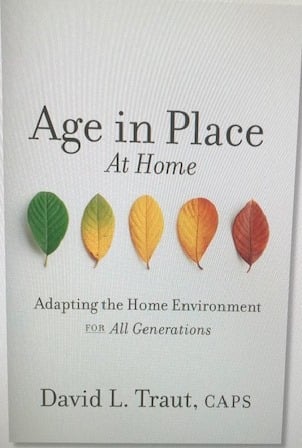
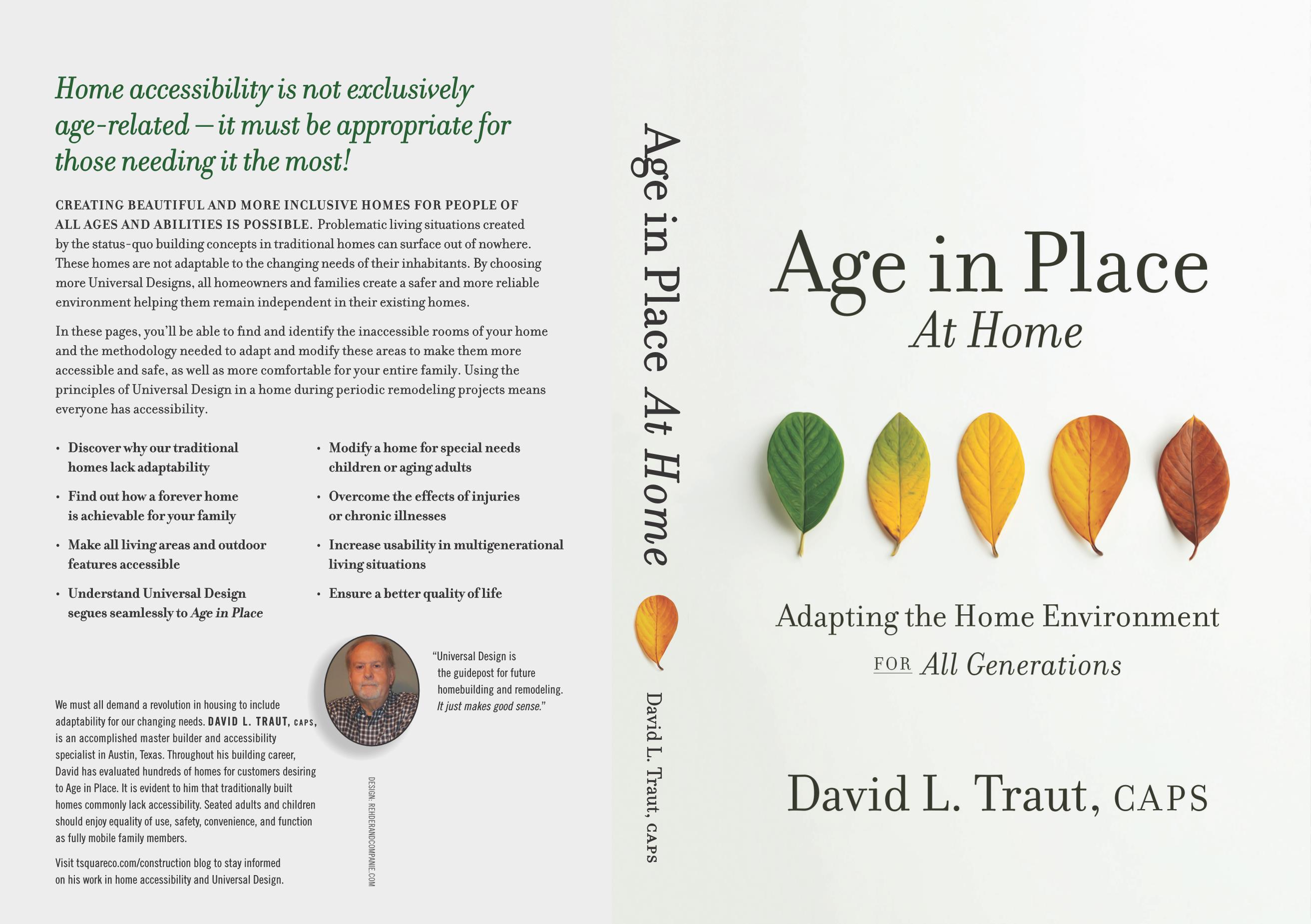
David L. Traut, CAPS the owner and president of T-Square Company in Austin, Texas is one of the select group of professionals nationwide to earn the Certified Aging in Place Specialist (CAPS) designation, identifying him as a home remodeler and builder with the skills and knowledge necessary to remodel or modify a home to meet the unique needs of the older population, disabled owners, or their visitors. Additionally, he is certified in Universal Design in the United States and Australia. David has recently published a book called "Age in Place at Home: Adapting the Home Environment For All Generations". The book explains the importance of Universal Design in building taking you through every room of the home in order to increase home accessibility. It is available on Amazon.
Never fear. You can adapt almost any existing home environment to overcome difficulties and enable you and everyone else in the family to comfortably live at home and move around safely with correct planning and know-how.
Your quality of life will improve if you follow the book's advice. The positive result is every family member has equal accessibility throughout your home's interior. IT JUST MAKES GOOD SENSE.

Tags:
handicap home modifications,
disability home remodeling in Austin,
elder construction,
certified aging in place specialist,
handicap accessibility,
disability and special needs contractor Austin,
bathrooms with disability access in Austin, Texas,
barrier free remodeling,
disability access contractor,
barrier free design,
disability and special needs in dripping springs,
increase home accessibility,
barrier-free remodels
When families are suddenly thrust into caring for an ill or injured family member, knowing how to make their homes accessible, barrier-free and safe can be challenging, especially when it involves an aging parent. A professional CAPS-certified remodeler is needed to offer guidance and solutions to the discovered family problems. Aging in Place is not for everyone, but as increasingly older Americans choose to Age in Place and remain in their homes, issues related to maintaining mobility, promoting home safety, and creating an environment to meet care needs are becoming increasingly crucial to caregivers and care recipients, along with the building community. Even savvy and experienced families may have trouble figuring out whom to call for a roll-in shower or door widening. According to the AARP, nearly 90% of older adults want to Age in Place and maintain independence however, 85% have done nothing about it. Many retirees want to stay in their own houses for as long as possible. But being able to do so will depend on how easy it is to maneuver your home as you age. Research by the Centers for Disease Control and Prevention shows that Aging in Place home modifications may prevent up to 50% of home accidents among seniors in older homes, including falls. T-Square Company is a certified disability access contractor in Austin, Texas, doing accessibility jobs for the VA, HUD, and the private sector for nearly thirty years. T-Square Company offers a complete line of Aging in Place services using their design/build approach. T-Square Company's Aging in Place services incorporate the principles of Universal Design to better accommodate wheelchair users or people with varying disabilities, making the home environment more comfortable for all generations with or without specific needs.
The National Association of Home Builders, in partnership with the AARP and Home Innovation Research Labs, created the CAPS program, which includes training and education on the technical, business management, and customer service skills essential to compete in the fastest-growing segment of the residential remodeling industry--home modifications for Aging in Place. David L. Traut, CAPS, the owner of T-Square Company in SW Austin, Texas as a handicap remodeling contractor, is one of the select group of professionals nationwide to earn the Certified Aging-In-Place Specialist (CAPS) designation, identifying him as a home remodeler and builder with the skills, training, and knowledge necessary to design and remodel or modify a home to meet the unique needs of the older population, disabled owners, or their visitors. David is certified in Universal Design in the United States and Australia. He has recently published a book entitled "Age In Place At Home: Adapting the Home Environment For All Generations". It is available through Amazon. It acts as a guidepost for accomplishing better accessibility throughout the home. He takes you room by room showing you how you can make your home inclusive to everyone living there and for all visitors.

ADA-Compliant Kitchens
People interested in Aging in Place services and Aging in Place home improvements are generally looking for a level entry into their home along with the clear maneuverability that a more open floor plan with more extraordinary clear unobstructed floor space presents. They desire flat floors without transitions requiring steps or stairs to move around. Ramps having a correct 1:12 slope or less can be used to get them up to the level floor space at the exterior entries or the garage entrance. ADA-compliant kitchen cabinets and ADA bathroom cabinets will more than likely come into play to complete any accessible home remodeling project. Aging in Place services and home modifications should include adding non-slip flooring, widening hallways or installing stair lifts, and widening doors. You might consider lowering light switches and thermostats and installing easier-to-use lever door hardware. To provide safety and independence, many considerations for an Aging in Place design should be considered. Provide a clear barrier-free path or accessible route to the most visited areas of the home, as the ADA recommends. The three areas needing improvement for a person wanting to age in place include the bathroom, the kitchen, and the family area in order of importance. The goal of an accessible design in Austin is to make the areas in the home a safe space for everyone who uses the facilities, regardless of age, size, or ability.

For additional information about the CAPS program, visit nahb.org/CAPS. For more information about T-Square Company, visit www.tsquareco.com or call 512-444-0097 to schedule a home assessment by a CAPS professional.
Tags:
barrier free access,
aging in place remodeling,
aging in place home modifications,
ADA remodeling,
ADA bathroom cabinets,
aging in place remodels,
ADA kitchen cabinets,
aging in place construction,
aging in place designs,
accessibility home remodeling in Austin,
CAPS professional in Austin,
CAPS certification holder in Austin,
CAPS remodeling techniques,
disability bathroom remodeling in Austin,
bathroom modifications for elderly,
aging in place specialist,
aging in place services,
aging in place design,,
elder construction,
certified aging in place specialist,
handicap remodeling contractors in Austin,
independent living in Austin Texas,
aging in place specialist in Austin,
senior aging in place services,
Austin aging in place specialist,
barrier free design,
Age in Place at Home,
Professional Disability Remodeling Contractor,
aging in place services for seniors in Austin
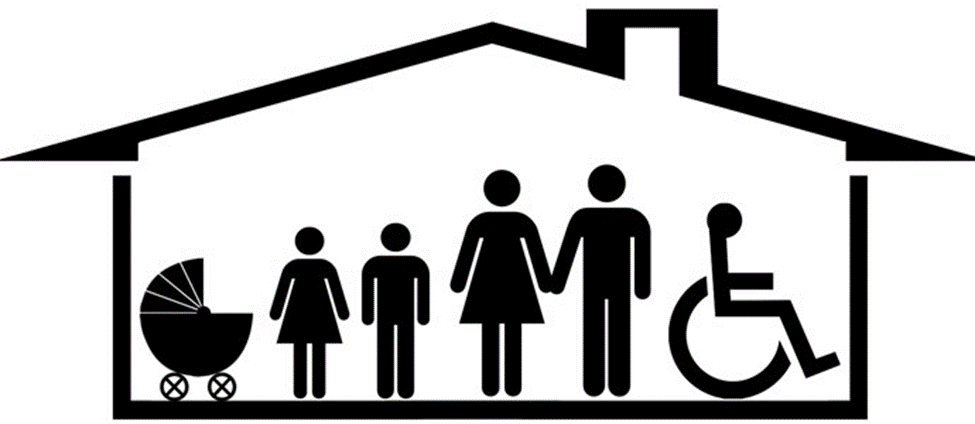
While Universal Design is a human centered concept making up an overlapping design philosophy, this concept of design came about by the recent disability movement of our aging population and the quality of life created by an increased user concept. An evolution in building ideas which deals with a larger all-inclusive society rather than a select group will make our homes more livable and sustainable in the future. Small changes can make a great difference with practice and understanding of the antiquated architecture which has evolved as the norm. It has been demonstrated that a need for functionality and usability has been lacking within our existing home inventory and the standards and codes from our municipalities must catch up with the needs of our society as a whole. When everyone can benefit it just makes common sense. Observing other aging groups in our society and the personal perils they face has finally brought about a new way of thinking about the living environment. Universal Design is beneficial to all abilities and ages offering practical solutions for specific differences in people. We have long needed a new vision representing a home that works for everyone and this attitude is becoming the new reality stemming from a revolution. This new building revolution, using Universal Design, is helping to create new accessible homes along with ways to make the older homes more accessible.
There are seven criteria which must be met to be considered a Universal Design no matter which area of the home you are referring to. Any design must be equally useful to everyone, have flexibility in usefulness, be simple and intuitive, be perceived by everyone, have a tolerance for error, require little physical effort, and it must maintain an adequate area for approach and use. Any complexity or discriminating attribute to a design will doom it in terms of being considered universal in nature.
The new (but old) evolving concept known as Universal Design for home building and remodeling is catching on nationwide and has been for several years as a sign of the times. Universal Design techniques used in building or remodeling makes a home more accessible to all regardless of their mobility or adaptive abilities and at any age. An evolution of new products used for disability home modifications is making those homes more accessible and has finally come about in the remodeling industry. These new advances in accessible home remodeling not only keep the living environments safer but will not compromise the home's aesthetics or resale value. Furthermore, this new way of thinking offers flexibility to add accessories now and later to those planning ahead or to the end user. It also provides for a wide range of human performance characteristics for the way people use spaces within their homes including well integrated usability features.

Universal Design does not equate to accessibility design even though they both are concerned with ergonomics and human function issues. The ADA guidelines for accessibility were created as a means to help those people with extreme disabilities within our society who are a narrow and specific cross section of the masses. A Universal Design approach broadly takes into account moderate impairments or disabilities, temporary health conditions, and the varying abilities of anyone within a home regardless of their age or size. In other words, an ADA accessible home would be designed for the one person with the disability whereas a Universal Design home is designed for everyone. Features like one story design, bedrooms and bathrooms on the ground floor, natural day lighting through larger windows and skylights, and wider doors and hallways appeal to users of all ages. With baby boomers eyeing a future where they'll Age in Place and younger people renovating older homes, the Harvard Joint Center for Housing Studies is anticipating healthy growth for the U.S. home improvement market through 2025.
T-Square Company in Austin, Texas has been offering design/build accessibility projects to their clients incorporating the principles of Universal Design for over twenty-five years. David L. Traut, CAPS, the owner-president of T-Square Company is certified in Universal Design. He has published a book entitled "Age in Place at Home :Adapting the Home Environment for All Generations" which is available through Amazon. It covers identifying and overcoming common accessibility shortcomings within a home. Within it's pages, he takes you through a home interior showing you how to apply Universal Design aspects in every room. Since Universal Design seamlessly segues into Aging in Place needs, it is a book worth reading. Incorporating Universal Design principles into your home facilitate future Aging in Place goals, while comfortably addressing the diverse needs of all ages and mobility levels living within your home at any time. It is a great reference book for parents of special needs children, homeowners moving in their elderly parents, and multi-generational living situations. Always remember, home accessibility is not exclusively age-related, but it must be appropriate for those needing it the most.

Tags:
aging in place remodeling,
wheelchair accessible remodeling,
CAPS certification holder in Austin,
aging in place design,,
accessibility designs Austin Texas,
universal design/build ideas,
Austin Accessibility Design,
Austin accessible home remodeling,
aging in place specialist in Austin,
age in place home design,
why is aging in place important,
universal designbuilding for the future,
why is universal design important,
7 principles of universal design,
Austin disability contractors for special needs,
Austin aging in place specialist,
accessible homes,
universal design/build contractor,
wheelchair accessible housing,
accessible home builder in Austin,
universal home design in Austin,
Austin home accessibility solutions,
Austin home modification services,
Dripping Springs aging in place specialist,
Universal design construction,
Universal Design for Disabilities
After over a year of writing to fulfill my customers' requests, my new book, "Age in Place At Home," is finally available for purchase from Amazon. Go to the link below to order my paperback book, which was released in late November, 2022. It provides a great guideline for using the principles of Universal Design in new home construction and/or remodeling for every room in your home. Get your copy today.
https://www.amazon.com/gp/r.html?C=2Z24ENUUAEWUK&K=13Y7YU7PKKYAC&M=urn:rtn:msg:20221010201802eb9acb7b24004a4785cd2ec1d4f0p0na&R=3R6MK9WDXJPH7&T=C&U=http%3A%2F%2Fwww.amazon.com%2Fdp%2FB0BHTV28RV%3Fref_%3Dpe_3052080_276849420&H=7FWEPMGCH0TT8LN6SKPMUOCVJNYA&ref_=pe_3052080_276849420
A home's adaptability is one of the most desired qualities within a person's home during some point in their life as their or their family's needs change. These specific needs to enhance accessibility can be short term while recovering from an accident or illness at any age, or these home alterations may become permanent. The special needs may concern an adult or a child. Universal design principles don't discriminate between any family members regardless of age, size, or ability. Every family member is included. Learn how to adapt your home environment to satisfy your family's needs in David Traut's new book, Age in Place at Home.
T-Square Company, in Austin, Texas, practices Universal Design accessibility to segue into Aging in Place seamlessly. The essence of my book is to advise people so they understand why our homes are obsolete to us, the homeowners, the minute they are completed. This fact is represented by the methodology used to create the traditional home. They are built to satisfy our immediate lifestyle and physical needs on the day we close on the house, with no regard for the future. The new home lacks adaptability to satisfy our needs once our bodies change beyond the purchase date. If we had incorporated the Universal Design principles into these new homes, those same homes would adapt to our changing family needs including every inhabitant regardless of age, size, or ability. The lack of home adaptability is not the consumers fault, they have always been unaware of how to reference the problem and accepted what the housing market gave them. They were unaware of what to ask for. Hence, the status-quo of building has been perpetuated for over a hundred years.
T-Square Company offers all types of Austin Universal Design home modifications to better prepare you and your family for your unforeseeable home accessibility future on a design/build basis. Existing, traditional homes must be modified to increase their accessibility using correct designs. Become aware and embrace the knowledge that the principles of Universal Design offer greater home accessibility for every one of your home members, from your father to your son. This is why the process is known as inclusive design.
David L. Traut, CAPS, has been involved with accessibility for nearly thirty years for the VA, HUD, and private residences. Contact me at 512-444-0097 for a professional home assessment to guide your future accessibility needs or at www.tsquareco.com. Simply fill out your information on the contact us page.
.
Tags:
aging in place home modifications,
aging in place home improvements in Austin,
wheelchair accessible remodeling,
CAPS certified remodeling in Austin,
aging in place construction,
CAPS professional in Austin,
aging in place services,
accessibility designs Austin Texas,
austin custom walk in shower,
universal design ideas,
Austin Accessibility Design,
aging in place design in Austin,
why is aging in place important,
what does it mean to age in place,
universal designbuilding for the future,
wheelchair accessible home remodeling in Austin,
universal design remodeling contractor,
why is universal design important,
7 principles of universal design,
universal principles of design,
universal design/build contractor,
universal design vs. aging in place,
universal design contractor,
wheelchair accessible housing,
accessible homes in austin,
Austin home remodeling for disabled,
universal home design in Austin,
aging in place versus universal design,
universal design home builder,
universal design home additions,
barrier free design,
Austin home accessibility solutions,
Austin home modification services,
Age in Place at Home,
universal design forever homes
When families are suddenly thrust into caring for an ill or injured family member, knowing how to make their homes accessible, barrier-free and safe can be challenging. Here is where a professional CAPS-certified remodeler is needed. It's not for everyone, but as increasingly older Americans choose to Age in Place and remain in their homes, issues related to maintaining mobility, promoting home safety, and creating an environment to meet care needs are becoming increasingly crucial to caregivers and care recipients. Even savvy and experienced families may have trouble figuring out whom to call for a roll-in shower or door widening. According to the AARP, nearly 90% of older adults want to Age in Place and maintain independence however, 85% have done nothing about it. Many retirees want to stay in their own houses for as long as possible. But being able to do so will depend on how easy it is to maneuver your home as you age. Research by the Centers for Disease Control and Prevention shows that Aging in Place home modifications may prevent up to 50% of home accidents among seniors in older homes, including falls.
The National Association of Home Builders, in partnership with the AARP and Home Innovation Research Labs, created the CAPS program, which includes training and education on the technical, business management, and customer service skills essential to compete in the fastest-growing segment of the residential remodeling industry--home modifications for Aging in Place. David L. Traut, CAPS owner of T-Square Company in SW Austin, Texas as a handicap remodeling contractor, is one of the select group of professionals nationwide to earn the Certified Aging-In-Place Specialist (CAPS) designation, identifying him as a home remodeler and builder with the skills, training, and knowledge necessary to design and remodel or modify a home to meet the unique needs of the older population, disabled owners, or their visitors. T-Square Company offers a complete line of Aging in Place services using their design/build approach.
ADA-Compliant Kitchens
People interested in Aging in Place services and Aging in Place home improvements are now looking for a level entry into their home along with the maneuverability that a more open floor plan with more extraordinary clear unobstructed floor space presents. They desire flat floors without transitions requiring steps or stairs to move around. Ramps having a correct 1:12 slope or less can be used to get them up to the level floor space at the exterior entries or the garage access. ADA-compliant kitchen cabinets and ADA bathroom cabinets will more than likely come into play to complete any accessible home remodeling project. Aging in Place services and home modifications should include adding non-slip flooring, widening hallways or installing stair lifts, and widening doors. You might consider lowering light switches and thermostats and installing easier-to-use lever door hardware. To provide safety and independence, many considerations for an Aging in Place design should be considered. You should try to provide a clear barrier-free path or accessible route to the most visited areas of your home, as the ADA recommends. The three areas needing improvement for a person wanting to age in place include the bathroom, the kitchen, and the family area in order of importance.
All disability home remodeling or disability bath remodels in Austin must be done considering all the data provided by the client, his or her family, and any caretakers involved. Aging in Place design must be carried out by an Aging in Place specialist who is also a reputable residential remodeling professional. The goal of an accessible design in Austin is to make the areas in the home a safe space for everyone who uses the facilities. T-Square Company's Aging in Place services use Universal Design to accommodate wheelchair users and can make the home environment more comfortable for all generations with or without specific needs.
Let's compare the alternative costs associated with aging in place versus when you already own your home. The more institutional alternative of assisted living accompanied by more medical expertise and staff training plus the access to emergency medical facilities is available as opposed to renting an apartment. These are two of the main alternative choices for seniors who decide not to remain in their own homes. According to a national study done in 2019, the average cost for assisted living ranged from $8,000 to $9,500 per month. However, if you decide to Age in Place in a high-quality one-bedroom apartment, the rent will run around $1,700 per month. Living in your own home or with loved ones represents a preference by most seniors and property taxes must be taken in account.
For additional information about the CAPS program, visit nahb.org/CAPS. For more information about T-Square Company, visit www.tsquareco.com or call 512-444-0097 to schedule a home assessment by a CAPS professional.
Tags:
barrier free access,
aging in place remodeling,
aging in place home modifications,
ADA remodeling,
ADA bathroom cabinets,
ADA kitchen cabinets,
aging in place designs,
accessibility home remodeling in Austin,
CAPS professional in Austin,
CAPS certification holder in Austin,
CAPS remodeling techniques,
disability bathroom remodeling in Austin,
bathroom modifications for elderly,
aging in place specialist,
aging in place services,
elder construction,
certified aging in place specialist,
handicap remodeling contractors in Austin,
independent living in Austin Texas,
senior aging in place services
Once you have decided to Age in Place in your existing home, the first thing you can do to make your home more age-friendly is to do a self-assessment. Go through your house, identifying known problem areas like potential tripping or slipping hazards and areas that are hard to access and maintain. Who would be better at pointing out problem areas than the person needing the home modifications according to their physical wellbeing? To help with this, several organizations have Aging in Place checklists pointing out potential problems in some regions of the home and suggesting modifications and solutions. Once you have completed your initial Aging in Place checklist, it is time to seek the advice of trained Aging in Place specialist.
Next, contact a builder or remodeler listed as a Certified Aging in Place Specialist (CAPS). CAPS are home remodelers and design-build professionals certified and knowledgeable about Aging in Place home modifications. The CAPS professional can suggest ways to modify or remodel your home to fit your needs and budget. CAPS professionals are generally paid by the hour or receive a flat fee per visit or project.
There are three categories of Aging in Place customers. Those who are simply and wisely planning for their futures to remain in their present homes. The second category concerns those who know they have a chronic medical disorder and need to prepare for accessibility issues resulting from their disease. People with diseases constantly causing increased physical or mental changes to their being are a good representative of this second group. The third group involves those who either have had a chronic problem that has progressed severely altering their mobility or those who have sustained a life-altering tragedy such as being involved in an accident. All of these groups will drive the future metamorphosis of existing inaccessible dwellings.
During a professional home assessment for increasing accessibility, the structural needs of the client will be noted and documented through sketches, photos, and conversation by a registered CAPS professional. All the surroundings will be considered, from the flooring to the layout of a specific room or location as it pertains to the inhabitant's ease of usability. The physical and emotional needs of the occupant will also come into play because of mobility, sensory, or cognitive concerns. Each individual with similar impairments describes his or her limitations differently when undergoing elder construction. The blind don't experience their world the same as a person with deafness. The ultimate goal is to modify the home in a custom manner to provide for the occupant's maximum health, independence, and safety. Often the input from any caretakers, like a physical or occupational therapist, during the assessment phase can prove invaluable. The three main rooms involved in aging in place home modifications are the bathroom, the kitchen, and the family room. These areas make up the most occupied spaces of any home and will be connected by a designated accessible route. The basic needs involve access through wider doorways, nonslip floor surfaces, and adequate cabinet and plumbing fixture accessibility. More importantly, we must observe safety for everyone as the baby boomers choose to age in place within their homes. For more information about T-Square Company or Aging in Place services, visit www.tsquareco.com or call 512-444-0097. We are certified Aging in Place contractors.
Knowledgeable construction and design professionals are utilizing their CAPS training across the nation. CAPS stands for Certified Aging In Place Specialist. This designation is taught through the National Association of Home Builders in collaboration with AARP. CAPS connects responsible professionals with homeowners who need these services ever-increasingly. The CAPS designation program is a nationwide initiative, and all active CAPS members can be found at nahb.org/CAPSdirectory.
In designing for specific physical conditions, we realize that aging doesn't always bring on disease while the body declines to make certain physical limitations inevitable. Arthritis is the most common chronic condition as it restricts ordinary daily activities. The lack of hand strength and stiff knees are indicative of this illness. This most reported arthritic condition affecting people over 65 is followed by heart disease and vision loss in that order. Innovative aging design and concepts can compensate for frailty, lack of mobility, and blindness in Aging in Place families. We are constantly coming up with new methods for home modifications and household products to increase the comfort of our residential environments.
David L. Traut, CAPS, the owner of T-Square Company in Austin, Texas, is one of the select group of professionals nationwide to earn the Certified Aging-In-Place Specialist (CAPS) designation, identifying him as a home remodeler and builder with the skills and knowledge necessary to remodel or modify a home to meet the unique needs of the older population, disabled owners, or their visitors. We offer a complete line of aging in place services using our design/build techniques and the principles of Universal Design. Everything we do is done on a turnkey basis.
Tags:
barrier free access,
aging in place remodeling,
CAPS,
aging in place home improvements in Austin,
CAPS certification,
ADA remodeling,
CAPS certified remodeling in Austin,
aging in place remodels,
aging in place construction,
aging in place designs,
CAPS professional in Austin,
CAPS certification holder in Austin,
CAPS remodeling techniques,
Universal Design,,
aging in place services,
aging in place design,,
certified aging in place specialist,
disability home modifications in Austin,
home modifications Austin, Texas,
wheelchair accessible showers in Austin,,
handicap bathrooms,
roll in showers in Austin,
custom walk in shower Austin,
home remodels Austin,
home modifications for independent living Austin,
certified aging in place consultant in Austin,
aging in place design in Austin
After a Year of writing to fulfill my customers' requests, my new book, "Age in Place At Home," is available for pre-order from Amazon. Go to the link below to preorder my book, which will be released on October 19, 2022.
https://www.amazon.com/gp/r.html?C=2Z24ENUUAEWUK&K=13Y7YU7PKKYAC&M=urn:rtn:msg:20221010201802eb9acb7b24004a4785cd2ec1d4f0p0na&R=3R6MK9WDXJPH7&T=C&U=http%3A%2F%2Fwww.amazon.com%2Fdp%2FB0BHTV28RV%3Fref_%3Dpe_3052080_276849420&H=7FWEPMGCH0TT8LN6SKPMUOCVJNYA&ref_=pe_3052080_276849420
T-Square Company, in Austin, Texas, practices Universal Design accessibility to segue into Aging in Place seamlessly. We offer all types of Austin Universal Design home modifications better to prepare you for your unforeseeable home accessibility future. The principles of Universal Design offer greater home accessibility for every one of your home members, from your father to your son. This is why the process is known as inclusive design.
David L. Traut, CAPS, has been involved with accessibility for nearly thirty years for the VA and private residences. Contact me at 512-444-0097 for a professional home assessment to guide your future accessibility needs or at www.tsquareco.com. Simply fill out your information on the contact us page.
.
Tags:
aging in place home modifications,
aging in place home improvements in Austin,
wheelchair accessible remodeling,
CAPS certified remodeling in Austin,
aging in place construction,
CAPS professional in Austin,
aging in place services,
accessibility designs Austin Texas,
austin custom walk in shower,
universal design ideas,
Austin Accessibility Design,
aging in place design in Austin,
why is aging in place important,
what does it mean to age in place,
universal designbuilding for the future,
wheelchair accessible home remodeling in Austin,
universal design remodeling contractor,
why is universal design important,
7 principles of universal design,
universal principles of design,
universal design/build contractor,
universal design vs. aging in place,
universal design contractor,
wheelchair accessible housing,
accessible homes in austin,
Austin home remodeling for disabled,
universal home design in Austin,
aging in place versus universal design,
universal design home builder,
universal design home additions,
barrier free design,
Austin home accessibility solutions,
Austin home modification services,
Age in Place at Home,
universal design forever homes
Human problems must be solved using correct designs. The principles of Universal Design solve accessibility issues for the most significant number of people. Special needs children, people who have become seriously injured, people living with a debilitating disease, people with sensory limitations or intellectual limitations, and last but not least, the people who are planning to stay in their homes for as long as possible while Aging in Place all need accessible homes. The need to deal with disabilities during elder construction or modifications for special needs children empowers us to create environments wherein people can function effectively. As our society evolves away from institutionalized care, making a home more comfortable for children, older adults, and their visitors can immediately benefit the comfort and lifestyle of the entire family. How are you planning for your future when it concerns your home?
Let's start by defining what is meant by an accessible home. Accessible homes of Austin or anywhere else provide homeowners with a means to stay healthy, independent, and safe. They, in turn, experience a better quality of life. In these accessible homes, as a Universal Design contractor, any architectural barriers have either been removed during remodeling or were never a part of the design for increasing accessibility. The accessible home stands as the defined course for the Universal Designed home. People with disabilities can live comfortably and safely as well as fully functional individuals.
Tweet and understand this fact of life! Accessible homes will be needed by everyone at some uncertain time, whether for ourselves, our family members, or our guests. This defines the Aging in Place concept and its associated CAPS accreditation, a nationally registered credential offered through the NAHB. Its function is to keep people in their homes longer and provide safety and independence to all homeowners. What is more, Universal Design segues seamlessly into Aging in Place.
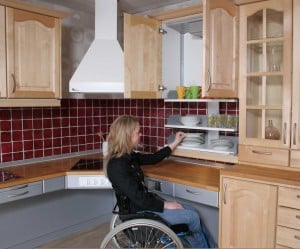
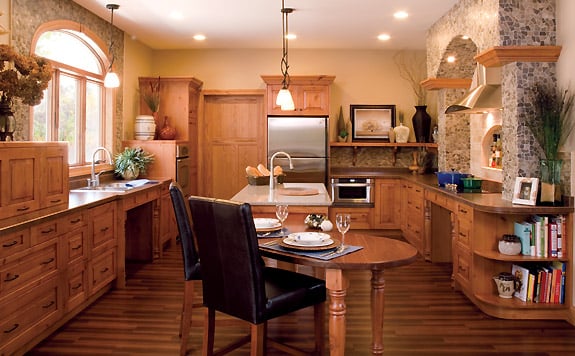
As in the kitchen in the above photograph, the
accessible kitchen is comfortably sized for a clear five-foot turning radius to avoid backing up for an approach. Clear 30x48-inch approach areas for all work areas and appliances are a significant part of the more-open design. The final kitchen design must be tailored to the homeowner's abilities, needs, and interests. Pull-out shelves expand workspaces at activity centers, while roll-under access is given underneath the stove, prep, and sink work areas. A higher and deeper base cabinet kick space area of 6x9 inches provides better forward wheel clearance for the wheelchair, enabling the user to get closer to the cabinet workspace. A raised dishwasher offers more accessible access to dishes, and lowered microwaves and other appliances like ovens solve other reach distance problems making it easier to live with a disability. Open storage areas without doors to interfere with access is a better solution. Having multiple countertop heights allows everyone access to a work surface. A successfully designed kitchen isn't about cabinet style or the composition of the countertop. It is more about the ways the design can support the user's personal needs and functionality.

Because everyone ages differently and has different needs and wants, a universal solution acting as a design for all is needed. The factors that constitute the Aging in Place market for all individuals are based on their genetic makeup and lifestyle, including their choices while living and their environment. These factors have brought about the need for Universal Design. This is the design of products, services, and environments usable by as many people as possible regardless of age, ability, or situation without needing adaptation or specialized alterations. It provides the most significant safety and access for home guests or occupants and is undetectable when done well. Since so few homes share the accessibility offered by Universal Design, to satisfy the needs of a particular household member brought about by an accident, an illness, or simply the aging process, there will always be a need for customized accessibility features. A CAPS-accredited remodeling professional will accomplish this by producing a truly functional design. This same competent design/build home remodeling company that understands and practices Aging in Place home modifications in Austin should accomplish the work to fit the Universal Design and ensure your safety and accessibility. Certified Aging in Place specialists is listed in Washington on the NAHB CAPS listing.
The concept of the accessible home has evolved beyond the basic grab bars and ramps to one in which accessibility is built into the basic design. Universal Design makes living in a home easier for people of all ages and abilities. Accessible design can be beautiful and functional and never needs to have any institutional appearance. As our aging baby boomer population ages, the need for accessibility in the home is becoming ever more critical. Our new way of viewing the basic home in our society and our antiquated architecture is giving way to a revolution in home design. Ordinary homeowners with extraordinary challenges can partner up with CAPS design professionals, architects, and their own families to create homes to restore capabilities, independence, and grace to daily living.
Aging in Place home modifications incorporating Universal Design principles is available through T-Square Company in the Austin area. We have an A plus rating with the local BBB and have over 30 years of remodeling experience. We are additionally an accredited Aging in Place specialist offering complete
aging in place services. Each design/build situation will be customized to fit your personal needs increasing your accessibility through Universal Design. Call 512-444-0097 today to begin the accessible second chapter of your life while remaining safe and secure in your existing home.
David L. Traut, CAPS (#1636580)
Tags:
Austin,
Texas,
how-to,
ADA compliant kitchen cabinets,
ADA bathroom cabinets accessible routes,
CAPS,
aging in place home modifications,
aging in place home improvements in Austin,
wheelchair accessible remodeling,
wheelchair accessible baths and kitchens,
handicap home modifications,
ADA bathroom cabinets,
disability bathroom remodels,
handicap accessible bathrooms,
aging in place construction,
accessibility home remodeling in Austin,
Austin bathroom remodel,
Austin kitchen remodeling,
Austin kitchen remodel,
disability bathroom remodeling in Austin,
universal design/build,
universal design/build ideas,
universal designbuilding for the future,
what is universal design,
wheelchair accessible home remodeling in Austin,
universal design remodeling techniques,
universal design remodeling contractor,
universal design building contractor,
universal design principles,
universal principles of design,
disability contractor in Austin,
special needs contractor in Austin,
senior home modifications in Austin,
universal design/build contractor,
what is universal design in Austin,
special needs contractor,
universal home design in Austin,
universal kitchen design,
universal design home additions,
universal design building consultant,
disability and special needs in dripping springs,
disability and special needs contractors in Austin,
universal design forever homes,
Universal design construction,
Universal Design for Disabilities,
universal design and accessibility in Austin
Our homes have always been exempt from any of the federal accessibility regulations put in place in 1990. Unfortunately, no restricted codes or regulations concerning residential bathrooms or disability access baths exist. An evolving concept called Universal Design satisfies most people's personal needs. Universal Design techniques in the building make a home more accessible to all regardless of size, mobility or adaptive abilities. Children and aging adults benefit in the home from its existence. The evolution of new products used for disability home modifications makes those homes more accessible and has finally come about in the remodeling industry. Specialized handicap remodeling contractors for home remodeling incorporating the principles of Universal Design are catching on nationwide and have been a sign of the times for several years. Our present-day obsolete homes, now inhabited by the baby boomer generation, will slowly and increasingly raise their obsolete ugly heads and expose their true lack of accessibility to those inhabiting them.
When mobility becomes an issue for any homeowner, regardless of age, the question arises concerning physically moving to a different home that is more accessible. Universal Design prepares your home for one of those highly likely events involving someone needing room modifications for even a short time while recovering from surgery or the chronically ill. Solving Aging in Place issues will soon become the number one challenge concerning our country's obsolete housing inventory. The situation will only expand with an increasingly aging population due to medical advances. When these homes were previously purchased, they represented a complete castle in the world of their owners in which to prepare for a day, and they also acted as a retreat from life's challenging interactions. They housed our families, our memories, and our stuff. They represented a place where we could be ourselves.
There are many benefits to using Universal Design techniques, including potential use by aging family members or special-needs children, added resale value, and the fact that you'll be creating a space that can be used by anyone who visits your home, regardless of their range of abilities. Simple universal design updates for Aging in Place home modifications and handicap bathroom accessibility can include adding grab bars or handrails throughout the home, adding a seat within the roll in shower, lowering upper cabinets and countertops, adding non-slip flooring, widening hallways, or installing stair lifts, and widening doors. You might also consider lowering light switches and thermostats and installing easier-to-use door levers. Try to provide a clear barrier-free path or accessible route to the most visited areas of your home. These new advances in accessible home remodeling make living environments safer and will not compromise the home's aesthetics.
Many people find themselves needing accessible homes for themselves or family members. There are approximately 30 million Americans using wheelchairs, and the number of people who need accessible homes will continue to increase as disabled and aging people find more ways to remain in their homes. Furthermore, children with special needs make up a significant part of the population. One crucial way to increase independent living is by making a home accessible to an individual's personal needs. Home modifications can increase safety, accessibility, and independence for people who want to live independently.

Universal Design runs parallel with wheelchair access. Many of the published guidelines for wheelchair-accessible remodeling, particularly requirements for corridor and door widths, safety bars, and proper access to different rooms, can go a long way in extending the amount of time an elderly or physically impaired individual can live independently. The absolute truth about the design process is that if it allows access by a seated person, it gives everyone access. More comfort is built into a room while avoiding a cramped and cluttered living environment because there is adequate room to move about freely.
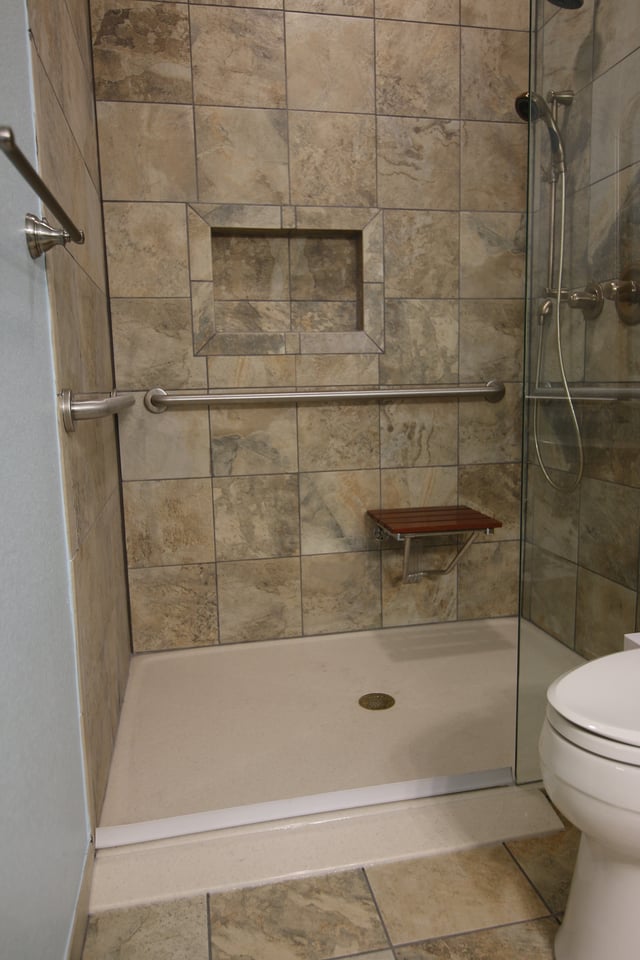
An Aging in Place (CAPS) specialist must design an Aging in Place project. Always consider the end user's preferences and capabilities. For instance, roll-in showers without curbs are advised for everyone on a universal basis for an accessible bath. A 5'x5' clear shower floor turning space is an optimum size when a caretaker is involved. Using a 32-36" wide barrier-free entrance in a shower partition with an out-swinging door is advised for everyone to increase safety. Remember, wider is better in all respects. Upon exiting the shower, a clear floor space of 30"x48" for an approach to the shower should be present. This area can overlap with the designated five feet turning radius area within the room. The shower should contain a hand-held shower wand on a sliding bar or mast mounted 48" above the floor and is available for varying heights of use. The hand shower is complimented by a fixed height shower head located at approximately seven feet above the shower floor. These diverse shower heads are both regulated using a diverting controller valve.You can opt for the fixed shower head if you desire a full body wash or the hand-held is used for rinsing and shower cleaning. This configuration allows adaptability within the design. Hence, the user has a choice. Always use a shower valve that is thermostatically controlled and pressure-balanced to prevent scalds.
Installing fixtures with a scald guard or lowering the temperature at the water heater is a must to prevent burns. Fold-down seats attached to the shower wall are useful if caretakers are involved. Recessed shampoo niches help eliminate clutter on the shower floor. Secure grab bars installed on wood grounds buried within the wall around the entire shower perimeter at 34-36" above the finished shower floor increases the safety factor and helps to prevent falls. A recessed can light fixture should be installed above the shower area for proper lighting. To prevent slipping on a guaranteed wet floor, all bathroom floor surfaces must be the nonskid type. The ultimate goal in accessible design is to make the bathroom space safe for everyone who uses the bathroom. Universal Design better accommodates wheelchair users and makes the bathroom more comfortable for all users. This modification can be done without sacrificing style.
The National Association of Home Builders, in partnership with the AARP and Home Innovation Research Labs, created the CAPS program, which includes training and education on the technical, business management, and customer service skills essential to compete in the fastest-growing segment of the residential remodeling industry--home modifications for Aging in Place using Universal Design. David L. Traut, CAPS, the owner of T-Square Company in SW Austin, Texas, is one of the select group of professionals nationwide to earn the Certified Aging-In-Place Specialist (CAPS) designation, identifying him as a home remodeler and builder with the skills and knowledge necessary to remodel or modify a home to meet the unique needs of the older population, disabled owners, or their visitors.
Tags:
ADA accessible,
accessible routes,
barrier free access,
aging in place remodeling,
aging in place home modifications,
aging in place,
wheelchair accessible remodeling,
wheelchair accessible baths and kitchens,
handicap home modifications,
ADA remodeling,
ADA compliance,
disability bathroom remodels,
handicap accessible bathrooms,
aging in place construction,
aging in place designs,
custom tub to shower conversions,
wheelchair accessible baths,
accessibility home remodeling in Austin,
CAPS professional in Austin,
CAPS certification holder in Austin,
accessible home remodeling,
CAPS remodeling techniques,
Universal Design,,
Austin bathroom remodel,
disability home remodeling in Austin,
home modifications for independent living,
disability bathroom remodeling in Austin,
bathroom modifications for elderly,
aging in place specialist,
aging in place services,
aging in place design,,
elder construction,
certified aging in place specialist,
handicap remodeling contractors in Austin,
disability home modifications in Austin,
Austin elder construction,
remodel bathroom for handicap Austin Texas,
handicap home modifications for disabled,
handicap accessibility,
handicap remodeling contractors,
bathroom modifications for disabled,
bathroom accessibility remodels in Austin,
accessibility remodelers in Austin,
ADA remodeling Austin, Texas,
ADA bathroom Austin, Texas,
wheelchair accessible showers in Austin,,
roll in showers,
accessibility designs Austin Texas,
handicap bathrooms,
ADA compliant wheelchair accessible showers,
roll in shower design for wheelchair access,
disability access contractor,
accessible home remodeling for disabilities,
accessibility home modifications,
Universal Bathroom Design,
Universal Design for Disabilities
Universal Design Construction or inclusive construction is used when a homeowner is smartly planning for life changes within their home. The most significant advantage of using this innovative concept is that it smoothly prepares a home for Aging in Place. By gradually applying elements of Universal Design into periodic home remodeling projects, those specific home areas are Age in Place ready without being noticed until needed. The concept provides various human performance characteristics for people using spaces within their homes, including well-integrated usability features. These adaptations have a broad market appeal to everyone for achieving ease of use, safety, and convenience, accommodating an inevitable reality. The effects of aging and disease are tempered because adaptability is built into the design. The reality is that all people exist along a continuum of human performance as per their traits and characteristics, regardless of their age. A universal approach to design considers that everyone has varying degrees of ability and disability rather than someone who is either fully functional or disabled.
A universal design-build project is appealing to all users. When correctly applied, any home area will be accented universally with stylish function and appears virtually invisible. Bathrooms, kitchens, family rooms, and bedrooms will all benefit the homeowner once the principles of Universal Design are applied. Examples of increased usability provided by Universal Design include wider doorways and hallways, enhanced lighting, non-slip flooring, contrasting colors within rooms, more accessible electrical controls and devices, curb-less showers, lever door hardware, more pull-out shelves, and drawers over cabinet doors, varying cabinet top heights, and water faucets and controls operable by a single hand or closed fist. Be advised, Universal design ideas do not strictly deal with accessibility or Aging in Place design. They do not implement precise ADA standards, but it offers flexibility to add accessories now and later to those planning or the end user.
Universal Design construction and Aging in Place home modifications are available through T-Square Company in SW Austin, Texas. Each universal design/build project is customized to the homeowner's needs. Call 512-444-0097 today to prepare for the accessible second chapter of your life while remaining safe and secure in your existing home. T-Square Company will design and build an adapted living environment customized to your abilities. Whether your project concerns home modifications, an accessible addition or wing, or new construction, we can help you increase your accessibility. We have over three decades of building and remodeling experience practicing as a disability contractor for people with special needs. We want to help our clients be as self-sufficient and independent as possible by offering handicap accessible floor plans. Let us show you how to increase safety and accessibility within your living environment.
David L. Traut, CAPS (1636580), the president and owner of T-Square Company, is accredited in Universal Design in the United States and Australia. He has written many papers on the subject and is in the process of finishing a book called Age in Place at Home: Adapting the Home For All Generations. The book covers how Universal Design avoids today's problematic living situations by traditional home's association with status-quo building concepts. Universal Design offers a common-sense gateway for increasing accessibility and adaptability in future homes. It will be available soon from Amazon.
After so long a time of blogging, soap box deliveries, and conversations with my customers concerning the importance of Universal Design in the future of our home building industry, others have listened and agreed. I was humbled to find this article published in the Austin American Statesman. I take pride in the fact that people are beginning to see the importance of this very forward-thinking design concept. May this article help to propel the needed universal building movement forward.

The trend toward 'universal design' in homes
Tuesday, Jan 15, 2019 @ 3:57pm
By David Wilfong
Simple adjustments like a sideways opening oven can make life a lot easier for a person in a wheelchair. | Jofre Essley / Flickr
For many years disabled people faced challenges at every corner of public life. Stairs, rough ground, or even just reaching objects on a shelf created obstacles at inopportune times. Then the Americans with Disabilities Act (ADA) came into play. Wheelchair ramps and handicapped restrooms became commonplace in common spaces, and the result has been an improved quality of life for millions.
Then there’s the subject of home design. Homes have been modified for many years to meet the needs of the disabled, but now there is a new concept of “universal design,” which means homes being built for all needs from the beginning, even if there is not currently a disabled person living there.
“Along with aging in place, universal design is becoming more of a household term,” says T-Square Company (14141 Highway 290 West, Suite 800 in Austin) in is online blog. “Essentially, it’s about building or modifying places and spaces—both public and private—to accommodate people of all ages and abilities. More than just an architectural concept, universal design is a win-win for sandwich generation boomers caring for aging parents and their children at home, for grandparents raising grandchildren and great-grandchildren, and for all who are facing the challenges of caring for a loved one with Alzheimer’s or other chronic diseases. Whether your family needs the support now or down the road, universal design features are a good long-term investment for the home itself.”
The trend toward 'universal design' in homes
Tuesday, Jan 15, 2019 @ 3:57pm
By David Wilfong
Tags:
universal design/build,
universal design/build ideas,
universal design building for a lifetime,
universal design remodeling techniques,
universal design remodeling contractor,
universal design building contractor,
universal design principles,
7 principles of universal design,
universal principles of design,
disability access contractor,
accessible home remodeling for disabilities,
accessible bathroom design specifications,
professional remodeling contractor,
accessible bathroom remodel,
specialty construction in Austin,
accessible homes,
home access in Austin,
universal design/build contractor,
universal design vs. aging in place,
universal design contractor,
home accessibility,
accessible design,
accessible housing,
handicap accessible housing,
handicap accessible house plans,
accessible homes in austin,
universal design techniques,
Austin home remodeling for disabled,
accessible home modifications,
handicap accessible floor plans,
accessible home builder in Austin,
wheelchair accessible homes,
special needs contractor,
universal home design in Austin,
universal design home builder,
universal design home additions,
universal design building consultant,
universal design forever homes,
Universal design construction,
Universal design construction in Austin