Check out my building blog to learn more about construction for your home or office in Austin! David L. Traut, President, CAPS Certified (512)444-0097

Accessible Kitchens for Aging in Place: Designing Your Forever Home

Posted byDavid L. Traut, CAPS on Tue, Aug 25, 2026 @ 11:08 AM


How To Proceed With Your Accessible Kitchen Remodel

The kitchen is often called the heart of the home, and for good reason. It is where families gather to share meals, grandchildren learn treasured family recipes, and holiday traditions are created and passed from one generation to the next. More than just a place to prepare food, the kitchen is a center of daily life, connection, and independence. As we age, however, tasks that once seemed effortless, like reaching upper cabinets, bending to access lower shelves, lifting heavy cookware, or standing for extended periods, can become increasingly difficult. Losing the ability to comfortably use your familiar kitchen often means losing a measure of confidence and independence. Fortunately, thoughtful planning and Universal Design principles can transform the kitchen into a space that continues to support your lifestyle for decades to come. By incorporating accessible features that blend seamlessly with beautiful design, your kitchen can remain a welcoming place where family memories are made, meals are shared, and independence is preserved throughout every stage of life.

Keep in mind,  accessible kitchens aren't about preparing for old age;  it's about creating a space that supports every stage of life. Whether you're 45 or 85, thoughtful design makes cooking safer, more enjoyable, and less physically demanding. The best kitchens don't simply meet today's needs; they evolve with you, allowing you to continue preparing meals, gathering with loved ones, and making memories in the heart of your home for years to come. 
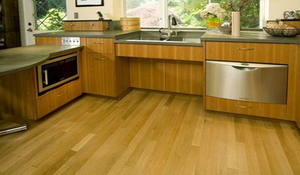
 

an accessible universal design kitchen for aging in place in Austin


Common Mistakes People Make When Planning a Kitchen Remodel

Installing beautiful cabinets that can't be reached

Relying on too many cabinet doors, which are architectural barriers

Using slippery flooring

Poor lighting

Too many upper cabinets

Ignoring accessible storage between 18" and 48" above the floor

No seating or roll-under capability anywhere

No landing space in and around the work areas

Choosing appearance over function

Waiting until after a fall, surgery, or chronic illness

Cramming too much into a small room without clear approaches to appliances and a clear five-foot turning area for wheelchairs

Why the Kitchen Becomes Challenging

Kitchens become more difficult once certain health issues become predominant. Medical conditions cause reduced balance, arthritis, decreased grip strength, limited shoulder movements, vision changes, fatigue, wheelchair or walker use, and memory changes. Each of these issues must be considered in the preliminary Universal Design kitchen layout before construction begins.  Ask yourself a few simple questions like:

Can I reach everything safely?

Can I cook without pain?

Can I unload groceries easily?

Would this kitchen work after surgery?

Could someone using a walker or wheelchair cook here?

Can my smaller grandchildren participate in cooking?

Could I prepare Thanksgiving dinner in ten years?

The Top Five Accessible Kitchen Upgrades And Their Associated ROI

From both an aging-in-place and return-on-investment (ROI) perspective, the best kitchen upgrades are those that improve safety, independence, and everyday usability without making the kitchen look institutional. These are also the features that appeal to a broader market because they follow Universal Design principles. The greatest ROI of an accessible kitchen isn't just what it adds to your home's value, but what it adds to your life.

1. Multi-Height Work Surfaces 

Greatest long-term ROI

Create work areas at different heights rather than a single continuous countertop. This universal design feature is beneficial by allowing food preparation while sitting or standing, reducing fatigue and back strain, accommodating wheelchair or walker users if needed, and making the kitchen usable for every generation.

2. Installing full-Extension Drawers Instead of Deep Cabinets

Replace lower cabinet doors with deep drawers or pull-out shelves.  Provide a roll-out pantry storage to bring the stored items out to you. This universal design feature is beneficial because it eliminates the need for kneeling or crawling to see inside base cabinets to find stored items, provides easier access to heavy cookware, and produces better organization.

ROI: Extremely High

3. D-Shaped Cabinet Pulls and Lever Hardware

This is a relatively inexpensive upgrade with a significant impact. The cost is low, but the benefit is substantial because the cabinets can be opened by anyone using a closed fist.  This universal design aspect benefits people with arthritis, as it is safer for a user with wet hands, and the D-shaped pulls work well for all ages.                                             

ROI: Excellent

4. Improved Layered Lighting

Many falls or knife accidents occur because homeowners cannot adequately see. Include layered LED task lighting in your design to reduce shadows over work areas, provide bright task lighting, and avoid blinding reflections, which can be as bad as no light. Include under-cabinet LED lighting, LED strip lighting along the base cabinet toe kicks to aid in low vision, and motion-sensor lighting. 

The benefits of a layered lighting system ensure safer food preparation, easier medication management, reduced fall risks, and improved visibility as eyesight changes.

ROI: Excellent

5. Accessible Easy-Reach Appliances 

Place or install appliances where bending and reaching are minimized to reduce bending and lifting, provide easier access, and ensure greater independence. Keep in mind the optimal horizontal reach distance is 24" while the vertical reach distance is between 18" and 48". Examples of this design aspect include:

  • Wall ovens are installed at a comfortable height where you can see the contents from a seated position
  • Install a microwave drawer or place it on a lowered cabinet top with reach distance in mind
  • Using a side-opening or French-door oven
  • A French door refrigerator with a bottom freezer
  • The dishwasher is raised several inches to minimize bending

ROI: Very High

There are also other excellent investments, such as touchless faucets, pull-down spray faucets, rounded countertop corners, wider aisles of 42-48", contrasting countertop edges for low vision, induction cooktops, pull-out trash and recycling, Lazy Susans and corner pull-outs to overcome blind cabinet corners, and automatic shut-off appliances.

All these improvements enhance daily comfort today while making the kitchen safer and more functional for decades to come. They also preserve the attractive, residential appearance that homeowners want, making them strong selling points even for buyers who are not currently thinking about aging in place. 

While these upgrades can increase resale appeal, their greatest value often comes from something far more important: extending the time you can live safely and independently in the home you love. A thoughtfully designed kitchen can reduce physical strain, lower the risk of injury, and make everyday tasks easier, allowing you to continue cooking, entertaining, and enjoying family traditions for years to come.

At T-Square Company in Austin, Texas,  we offer advice about kitchen remodeling and know that one of the biggest misconceptions is that an accessible kitchen has to look clinical or institutional. In reality, the best accessible kitchens are virtually indistinguishable from today's most desirable luxury kitchens. Features like pull-out shelves, induction cooktops, better lighting, and multi-height work surfaces are sought after by homeowners of every age because they combine beauty, convenience, and long-term functionality. That's the essence of Universal Design: creating a kitchen that works better for everyone, today and well into the future.

Who Can Help With Your New Accessible Kitchen Design?

David L. Traut, CAPS, is an Accessibility Specialist, Universal Design Expert, award-winning author, and President of T-Square Company in Austin, Texas. With more than 30 years of design/build experience, he specializes in aging in place home modifications, specific accessibility needs,  accessible kitchens and baths,  accessibility renovations and additions, remodeling for handicapped accessibility,  and barrier-free remodeling solutions that promote safety, independence, and dignity throughout your home.

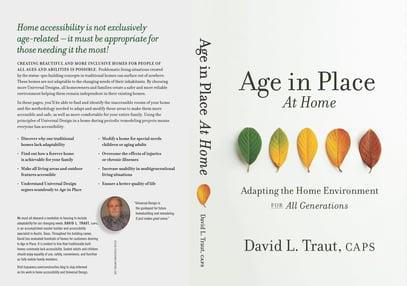
David is the author of the award-winning book "Age in Place at Home: Adapting the Home Environment for All Generationsand is a founding member of the National Aging in Place Council (NAIPC). His work combines practical expertise, thoughtful design, and compassionate problem-solving to help individuals thrive safely and comfortably in their homes.

CALL 512-444-0097 today and schedule an appointment to determine how your accessible future is possible.

 

Certified Aging In Place Specialist


An accessible kitchen isn't about preparing for old age;  it's about creating a space that supports every stage of life. Whether you're 45 or 85, thoughtful design makes cooking safer, more enjoyable, and less physically demanding. The best kitchens don't simply meet today's needs; they evolve with you, allowing you to continue preparing meals, gathering with loved ones, and making memories in the heart of your home for years to come. 
Tags: ADA accessible, aging in place, handicap home modifications, ADA kitchen cabinets, universal design/build, Austin deck designs, universal design kitchen ideas, home access, home accessibility, universal kitchen design, barrier free kitchens, forever home, home modifications, senior home safety, mobility solutions, safe home design for seniors, home safety

How to Make a Home Safe for Aging Adults (A Complete Guide)

Posted byDavid L. Traut, CAPS on Fri, Mar 20, 2026 @ 13:03 PM

As we age, the home we once navigated without thinking can quietly become filled with risks. Slips, poor lighting, stairs, and narrow walkways all contribute to falls—the leading cause of injury among older adults. Creating a safer home isn’t about taking away independence; it’s about protecting it. 

Plan for Long-Term Independence (Not Just Today)

Safety isn’t only about preventing falls — it’s about designing for changing mobility, strength, and comfort over time.

Safety Is the Foundation of Aging in Place

The most common question I hear from homeowners is:

“What do I need to change so I can stay in my home safely with family members?”

The answer starts with smart design — not drastic moves or institutional renovations.

Small changes today can prevent major injuries tomorrow.


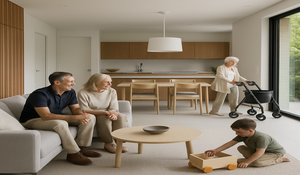
multigenerational living when aging in place


Why home safety matters
Aging brings natural changes in balance, vision, and strength. A home designed for younger bodies often doesn’t adapt to the changes that occur as people age. The goal of home safety upgrades is to reduce fall risks, improve accessibility, and support long-term aging in place.

Common home safety hazards
Bathrooms are the most dangerous area due to slippery surfaces and transfers in and out of tubs or showers. Stairs and entryways present challenges with depth perception and endurance. Poor lighting, clutter, and loose rugs also significantly increase fall risk.

High-impact safety improvements
Bathroom upgrades—such as grab bars, non-slip flooring, and walk-in showers—offer the largest return on investment for safety. Improved lighting in hallways, staircases, and bedrooms helps prevent nighttime falls. Flooring changes, like removing throw rugs or installing non-slip surfaces, make walking safer throughout the home.

DIY vs professional modifications
Some changes, like adding night lights or removing clutter, are easy DIY wins. Structural upgrades—grab bars, stair railings, ramps, or flooring—should be professionally installed to ensure they’re secure and code-compliant.

Planning for aging in place
Home safety works best when it’s proactive. Making gradual upgrades before a fall or injury occurs allows older adults to remain independent longer and gives families peace of mind.

At T-Square Company, a CAPS Certified Builder,  we help homeowners evaluate risks and implement smart, practical safety solutions tailored to their home and lifestyle. 

Accessible Remodeling • Universal Design • Aging-in-Place

Let’s make your forever home work beautifully for you—now and for years to come.

David L. Traut, owner of T-Square Company, has written an award-winning Aging in Place Guide

Age in Place at Home Book

David is also certified in Universal Design in both the United States and Australia. Drawing on decades of expertise, he recently published Age in Place at Home: Adapting the Home Environment for All Generations, a comprehensive guide that explores the role of Universal Design in creating safe, accessible homes.

📘 Age in Place at Home takes readers room by room, explaining practical modifications that enhance safety, accessibility, and independence. The book is available on Amazon.

Home Accessibility Help

Tags: what is universal design, wheelchair accessible homes, the basics of aging in place, universal design forever homes, sustainable living design, what is a forever home?, multigenerational homes, increase home accessibility, mobility issues/fall prevention, home safety for seniors, fall prevention for seniors, home safety for older adults, mobility solutions, independent living at home, aging in place guide, improve fall risks

Practical Solutions Concerning Home Accessibility Modifications

Posted byDavid L. Traut, CAPS on Thu, Mar 12, 2026 @ 13:03 PM


A T-Square Company Resource | Aging in Place Made Simple

As we age, the home we love can quietly become filled with hazards — slippery floors, poor lighting, narrow pathways, and hard-to-reach spaces. The good news? With thoughtful design and targeted modifications, nearly every home can be transformed into a safer, more comfortable environment that supports independence for years to come.  For homeowners wanting to age in place—or for families supporting aging or disabled loved ones—small changes can make a huge impact on safety, mobility, and independence. Below are practical, effective accessibility solutions for home accessibility modifications that improve everyday living without requiring a full remodel.

Use these ideas to educate your readers, convert visitors, and reinforce T-Square Company’s role as Austin’s trusted Certified Aging-in-Place Specialist (CAPS).

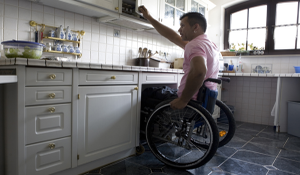
wheelchair accessible kitchen


1. Improve Safety Using Simple, Low-Cost Upgrades

These updates and practical solutions require minimal construction but dramatically increase safety:

✔ Install Grab Bars

Place them near toilets, showers, and tubs to prevent falls.
Tip: Opt for reinforced walls and ADA-rated supports, which include adequate blocking to withstand a sheer force of 250-300 pounds.

✔ Add Non-Slip Flooring

Non-slip tile, vinyl, or textured surfaces help reduce bathroom and kitchen hazards.

✔ Replace Doorknobs with Lever Handles

Easier to use for anyone with arthritis, grip weakness, or limited hand function.

✔ Increase Household Lighting

Use LED bulbs, nightlights, and motion-sensor lighting to improve visibility and reduce fall risks.

✔ Add Handrails in Hallways

Support balance throughout the home—especially in long hallways or stair areas.


2. Make Everyday Mobility Easier

These modifications help homeowners move freely and safely.

✔ Widen Doorways

Allow walkers, wheelchairs, or mobility devices to pass through comfortably (ideally 36").

✔ Install Ramps or Zero-Step Entries

Eliminate trip hazards at the front door, garage, or patio.

✔ Smooth Out Flooring Transitions

Remove thresholds or add bevels so mobility devices glide smoothly between rooms.

✔ Rearrange Furniture for Clear Paths

Create accessible “travel lines” from room to room.


3. Bathroom Accessibility Solutions

The bathroom is the #1 area where falls occur—so improvements here have the greatest impact.

✔ Walk-In or Curbless Showers

Easy entry and exit without stepping over a tub or curb.

✔ Shower Seats or Fold-Down Benches

Provide safe seating for bathing.

✔ Handheld Adjustable Showerheads

Increase comfort, safety, and independence.

✔ Comfort-Height Toilets

Raise the toilet height for easier sitting and standing.

✔ Slip-Resistant Tile

Prevent bathroom falls even when surfaces are wet.


4. Kitchen Accessibility Solutions

Accessibility meets convenience in a well-designed kitchen.

✔ Pull-Out Shelves & Drawers

Reduce bending, reaching, or straining.

✔ D-Shaped Drawer Handles

Easier to grasp than traditional knobs.

✔ Side-Opening Wall Ovens & Induction Cooktops

Safer and more ergonomic for older adults.

✔ Lowered or Adjustable Countertops

Ideal for seated use or limited reach.

✔ Better Task Lighting

Under-cabinet lighting helps prevent accidents.


5. Bedroom Safety & Accessibility Solutions

Enhance comfort, mobility, and nighttime safety.

✔ Install Motion-Activated Lighting

Pathway lights illuminate automatically when someone gets out of bed.

✔ Adjust Bed Height

Make standing and sitting easier and safer.

✔ Add a Bedside Grab Pole

Useful for balance, transfers, or assistance.

✔ Keep Flooring Low-Pile or Smooth

Reduce tripping hazards and improve mobility device performance.


6. Whole-Home Smart Technology Enhancements

Technology can be a powerful partner in safe aging.

✔ Smart Thermostats

Keep temperatures steady and easy to control.

✔ Voice-Activated Lighting

Great for low mobility or limited dexterity.

✔ Smart Locks & Video Doorbells

Enhance security and reduce risky trips to the door.

✔ Fall-Detection Devices & Emergency Alerts

Support safety for independent living.


7. Exterior & Entryway Accessibility Fixes

Ensure safety from the moment you arrive home.

✔ Ramps, Railings & Handrails

Support balance and safe entry.

✔ Exterior Lighting Upgrades

Motion sensors and pathway lights reduce fall risks at night.

✔ No-Step Thresholds

Eliminate tripping hazards at doorways.

✔ Widening Gate or Entry Access

Accommodate mobility devices or walkers.


Why These Modifications Matter

Practical home modifications:

  • Reduce fall risks

  • Support mobility limitations

  • Increase comfort and confidence

  • Avoid costly long-term care facilities

  • Help seniors remain in the home they love

With the right guidance, these changes can be made safely, efficiently, and affordably.


Work With Austin’s Trusted Accessibility Experts

As a Certified Aging-in-Place Specialist (CAPS) with over 30 years in residential design and remodeling, I’ve helped countless families turn everyday houses into accessible, future-ready homes.  T-Square Company is a Certified Aging-in-Place Specialist (CAPS) with over 35 years of accessibility remodeling expertise. We help homeowners design safer, more functional living environments through:

  • Professional home assessments

  • Customized accessibility plans

  • Bathroom & kitchen remodels

  • Universal Design solutions

  • Aging-in-place guidance for families and caregivers

T-Square Company — Austin, TX

David L. Traut, CAPS #1636580, owner/president, Member National Aging in Place Council (NAIPC)

512-444-0097

Accessible Remodeling • Universal Design • Aging-in-Place

Let’s make your forever home work beautifully for you—now and for years to come.

Age in Place at Home Book

David is also certified in Universal Design in both the United States and Australia. Drawing on decades of expertise, he recently published Age in Place at Home: Adapting the Home Environment for All Generations, a comprehensive guide that explores the role of Universal Design in creating safe, accessible homes.

📘 Age in Place at Home takes readers room by room, explaining practical modifications that enhance safety, accessibility, and independence. The book is available now on Amazon.

Certified Aging In Place Specialist


Tags: senior aging in place services, home modifications for children with disabilities, home modifications for elderly in Austin, universal design/build contractor, universal design vs. aging in place, what is aging in place, the basics of aging in place, Barrier-free designs, home accessibility modifications, how to age in place, senior home remodeling, David L. Traut, CAPS, accessible bathrooms, fall prevention, mobility solutions, CAPS certified professional, independent living at home