Check out my building blog to learn more about construction for your home or office in Austin! David L. Traut, President, CAPS Certified (512)444-0097

Aging in Place FAQ: Proceeding With Home Modifications For Home Safety

Posted byDavid L. Traut, CAPS on Wed, May 13, 2026 @ 14:05 PM

Organizing Personal Needs to Produce a Plan of Action

Once homeowners decide they want to age in place, the next big question is:

“What home modifications should I actually move forward with to improve safety?”

The answer isn’t doing everything at once — it’s prioritizing the changes that reduce risk, improve daily comfort, and prepare the home for future mobility needs.

Below is a practical roadmap to help homeowners proceed confidently.

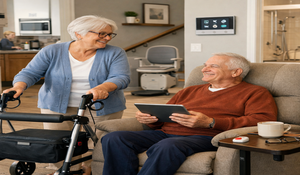
aging in place planning for increased safety

Will These Changes Still Feel Like My Home?

Absolutely — when done correctly.

Modern aging-in-place design focuses on:

✔ comfort
✔ beauty
✔ dignity
✔ seamless integration

Today’s universal design blends safety with stylish remodeling — not hospital environments.


Phasing: How to Proceed Without Overspending

Rather than remodeling everything at once, use a phased approach:

✅ Phase 1 – Immediate safety risks

Bathroom upgrades
Lighting improvements
Stair and entry safety

✅ Phase 2 – Accessibility improvements

Door widening
Flooring changes
Kitchen reach adjustments

✅ Phase 3 – Long-term comfort planning

First-floor living conversions
Future mobility accommodations

This strategy controls costs while maximizing safety.


Plan Modifications That Prepare for Future Needs

The smartest upgrades support you now and later — without making your home appear institutional.

Future-ready features include:

  • wider hallways and doors
  • Reinforced bathroom walls using blocking for grab bars
  • step-free showers
  • reachable switches and storage below 48 inches
  • minimal floor transitions

This allows easy adaptation if mobility changes over time.


Start With the Highest-Risk Area: The Bathroom

Bathrooms account for the majority of in-home injuries for older adults.

The most impactful safety upgrades include:

  • curbless or walk-in showers
  • built-in seating
  • grab bars (properly installed into framing)
  • non-slip flooring
  • comfort-height toilets
  • wider entry doors of 36 inches

 These changes reduce fall risk immediately while creating long-term usability.


Improve Entryways and Stairs for Everyday Safety

Difficulty getting in and out of the home — and navigating stairs — is one of the fastest ways independence is lost.

Key upgrades include:

  • zero-step or ramped entrances
  • sturdy handrails on both sides of the stairs
  • brighter stair and hallway lighting
  • contrasting step edges for visibility
  • non-slip stair surfaces

 These modifications significantly reduce the daily risk of falls. 


Enhance Lighting and Flooring Throughout the Home

Often overlooked, lighting and flooring upgrades make a huge difference.

Effective safety improvements include:

  • brighter layered lighting in hallways, stairs, kitchens, and bathrooms
  • eliminating glare and shadows
  • replacing slick floors with slip-resistant materials
  • removing thick rugs and thresholds

Better visibility + stable footing = fewer accidents.


In Summation

Proceeding with home modifications isn’t about fear — it’s about smart planning.

The right upgrades:

• prevent injuries
• preserve independence
• reduce future costs
• make daily living easier
• allow people to stay in the home they love


At T-Square Company, a CAPS Certified Builder, we help homeowners evaluate risks and implement smart, practical safety solutions tailored to their home and lifestyle. Stop procrastinating and schedule an in-home or virtual home assessment today.

Accessible Remodeling • Universal Design • Aging-in-Place

Let’s make your forever home work beautifully for you—now and for years to come.

David L. Traut, owner of T-Square Company, has written an award-winning Aging in Place Guide
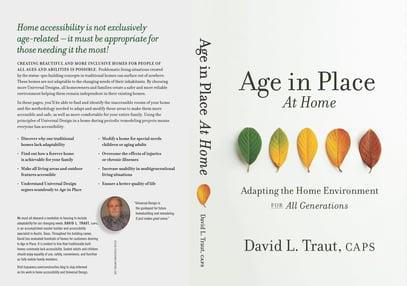
Age in Place at Home Book

David is also certified in Universal Design in both the United States and Australia. Drawing on decades of expertise, he published Age in Place at Home: Adapting the Home Environment for All Generations, a comprehensive guide that explores the role of Universal Design in creating safe, accessible homes.

📘 Age in Place at Home takes readers room by room, explaining practical modifications that enhance safety, accessibility, and independence. The book is available on Amazon.

Certified Aging In Place Specialist


Tags: aging in place home modifications, Universal Design,, home accessibility, Age in Place at Home, home safety for seniors, senior home remodeling, independent living at home, aging in place planning, fall prevention at home

Aging in Place FAQ: Top Questions About Home Safety and Modifications

Posted byDavid L. Traut, CAPS on Tue, May 05, 2026 @ 16:05 PM

Aging in place is about more than staying in your home — it’s about staying safe, independent, and comfortable for the long term

Aging in Place Is About Planning, Not Reacting

Aging safely at home isn’t about a single product or a single renovation.

It’s about:
✔ smart design
✔ proactive upgrades
✔ room-by-room planning
✔ long-term comfort

The earlier you start, the easier — and more affordable — it becomes.


aging in place living room design

Below are the most common questions people ask when planning for aging in place, along with expert guidance to help you make smart, proactive decisions.

1.   How can I make my home safe so I can stay here as long as possible?

Home safety is the foundation of successful aging in place. Preventable hazards cause most injuries that force older adults out of their homes — especially falls.

The biggest risks come from:

  • Falls (especially in bathrooms or kitchens due to their association with water and wet floors, and on stairs)

  • Poor lighting (when inadequate lighting doesn't produce enough definition to improve safety) 

  • Narrow walkways (cluttered, cramped,  or walkways narrower than 36 inches in width are problematic and dangerous)

  • Slippery flooring (slippery wood and tile floors are a hazard)

  • Hard-to-reach storage (the most used stored items should be no higher than 48-52 inches above the floor)

High-impact safety upgrades include:

  • Improved lighting throughout the home (layered task lighting is the best compliment to natural light to overcome dark areas)

  • Non-slip flooring (cork, linoleum, vinyl, and porcelain with the correct safe slip coefficient)

  • Grab bars in bathrooms (around all sides of the shower or tub, and around the toilet, mounted on adequate wood blocking)

  • Zero-step entries (anything greater than 1/2 inch height is unacceptable)

  • Wider doorways and hallways (clutter-free hallways that are 36-48 inches in width)

 These changes dramatically reduce injuries at home while increasing comfort and independence.


2. Is my current home realistic for aging in place, or should I consider moving?

Many people worry about:

  • two-story layouts (these are not a problem when installing a stair lift)
  • small bathrooms (walls may need to push outward into adjacent areas)

  • narrow halls and passages (hallways should be 36-48 inches wide)

  • difficult entrances (all entrances should be 36 inches wide and no threshold higher than 1/2 inch tall)

The truth: most homes can be adapted successfully — often for less than the cost of moving.

A professional accessibility assessment from a CAPS professional helps determine:


✔ what can be modified (seek guidance from a CAPS professional)


✔ what should be prioritized (the most problematic areas of the home)


✔ long-term feasibility (plan for the future)


3. Will aging-in-place upgrades make my home feel like a hospital?

Not when done correctly.

Modern accessibility design focuses on:

  • beauty

  • comfort

  • dignity

  • seamless integration

Today’s universal design looks like high-end remodeling — just safer and smarter.


4. How do I plan for mobility issues I don’t have yet?

Smart universal design prepares the home without making it feel clinical.

Future-ready features include:

  • wider pathways

  • step-free showers

  • reachable switches and outlets

  • reinforced walls using adequate wooden blocking

  • minimal thresholds

This allows easy adaptation if mobility needs change.


5. Will aging-in-place upgrades make my home feel like a hospital?

Not when done correctly.

Modern accessibility design focuses on:

  • beauty

  • comfort

  • dignity

  • seamless integration

Today’s universal design looks like high-end remodeling — just safer and smarter.


6. Where do I start — and who can I trust?

This is one of the most important questions.

Look for professionals who:

  • specialize in aging in place and are CAPS certified (Certified Aging in Place Specialists)

  • understand accessibility modifications and the disability standards with experience

  • uses universal design principles in all its remodeling work

  • offer structured and professional safety assessments

A clear plan prevents unnecessary spending and missed safety risks.

At T-Square Company, a CAPS-Certified Builder, we help homeowners evaluate risks and implement smart, practical safety solutions tailored to their homes and lifestyles.

Accessible Remodeling • Universal Design • Aging-in-Place

Let’s make your forever home work beautifully for you—now and for years to come.

David L. Traut, owner of T-Square Company, has written an award-winning Aging in Place Guide

David is also certified in Universal Design in both the United States and Australia. Drawing on decades of expertise, he published Age in Place at Home: Adapting the Home Environment for All Generations, a comprehensive guide that explores the role of Universal Design in creating safe, accessible homes.

📘 Age in Place at Home takes readers room by room, explaining practical modifications that enhance safety, accessibility, and independence. The book is available on Amazon.

Home Accessibility Help


Tags: aging in place remodeling, aging in place, universal design/build, senior home modifications in Austin, home accessibility modifications, accessible home design, home safety for seniors, independent living at home, aging in place questions, senior fall prevention, aging in place planning, safe home design for seniors, home adaptations for aging

How to Make a Home Safe for Aging Adults (A Complete Guide)

Posted byDavid L. Traut, CAPS on Fri, Mar 20, 2026 @ 13:03 PM

As we age, the home we once navigated without thinking can quietly become filled with risks. Slips, poor lighting, stairs, and narrow walkways all contribute to falls—the leading cause of injury among older adults. Creating a safer home isn’t about taking away independence; it’s about protecting it. 

Plan for Long-Term Independence (Not Just Today)

Safety isn’t only about preventing falls — it’s about designing for changing mobility, strength, and comfort over time.

Safety Is the Foundation of Aging in Place

The most common question I hear from homeowners is:

“What do I need to change so I can stay in my home safely with family members?”

The answer starts with smart design — not drastic moves or institutional renovations.

Small changes today can prevent major injuries tomorrow.


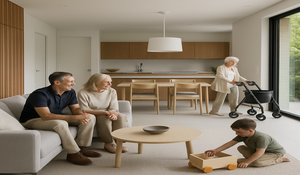
multigenerational living when aging in place


Why home safety matters
Aging brings natural changes in balance, vision, and strength. A home designed for younger bodies often doesn’t adapt to the changes that occur as people age. The goal of home safety upgrades is to reduce fall risks, improve accessibility, and support long-term aging in place.

Common home safety hazards
Bathrooms are the most dangerous area due to slippery surfaces and transfers in and out of tubs or showers. Stairs and entryways present challenges with depth perception and endurance. Poor lighting, clutter, and loose rugs also significantly increase fall risk.

High-impact safety improvements
Bathroom upgrades—such as grab bars, non-slip flooring, and walk-in showers—offer the largest return on investment for safety. Improved lighting in hallways, staircases, and bedrooms helps prevent nighttime falls. Flooring changes, like removing throw rugs or installing non-slip surfaces, make walking safer throughout the home.

DIY vs professional modifications
Some changes, like adding night lights or removing clutter, are easy DIY wins. Structural upgrades—grab bars, stair railings, ramps, or flooring—should be professionally installed to ensure they’re secure and code-compliant.

Planning for aging in place
Home safety works best when it’s proactive. Making gradual upgrades before a fall or injury occurs allows older adults to remain independent longer and gives families peace of mind.

At T-Square Company, a CAPS Certified Builder,  we help homeowners evaluate risks and implement smart, practical safety solutions tailored to their home and lifestyle. 

Accessible Remodeling • Universal Design • Aging-in-Place

Let’s make your forever home work beautifully for you—now and for years to come.

David L. Traut, owner of T-Square Company, has written an award-winning Aging in Place Guide

Age in Place at Home Book

David is also certified in Universal Design in both the United States and Australia. Drawing on decades of expertise, he recently published Age in Place at Home: Adapting the Home Environment for All Generations, a comprehensive guide that explores the role of Universal Design in creating safe, accessible homes.

📘 Age in Place at Home takes readers room by room, explaining practical modifications that enhance safety, accessibility, and independence. The book is available on Amazon.
Home Accessibility Help

Tags: what is universal design, wheelchair accessible homes, the basics of aging in place, universal design forever homes, sustainable living design, what is a forever home?, multigenerational homes, increase home accessibility, mobility issues/fall prevention, home safety for seniors, fall prevention for seniors, home safety for older adults, mobility solutions, independent living at home, aging in place guide, improve fall risks

Practical Solutions Concerning Home Accessibility Modifications

Posted byDavid L. Traut, CAPS on Thu, Mar 12, 2026 @ 13:03 PM


A T-Square Company Resource | Aging in Place Made Simple

As we age, the home we love can quietly become filled with hazards — slippery floors, poor lighting, narrow pathways, and hard-to-reach spaces. The good news? With thoughtful design and targeted modifications, nearly every home can be transformed into a safer, more comfortable environment that supports independence for years to come.  For homeowners wanting to age in place—or for families supporting aging or disabled loved ones—small changes can make a huge impact on safety, mobility, and independence. Below are practical, effective accessibility solutions for home accessibility modifications that improve everyday living without requiring a full remodel.

Use these ideas to educate your readers, convert visitors, and reinforce T-Square Company’s role as Austin’s trusted Certified Aging-in-Place Specialist (CAPS).

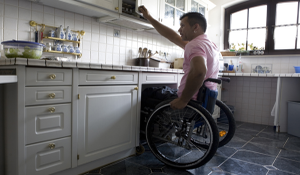
wheelchair accessible kitchen


1. Improve Safety Using Simple, Low-Cost Upgrades

These updates and practical solutions require minimal construction but dramatically increase safety:

✔ Install Grab Bars

Place them near toilets, showers, and tubs to prevent falls.
Tip: Opt for reinforced walls and ADA-rated supports, which include adequate blocking to withstand a sheer force of 250-300 pounds.

✔ Add Non-Slip Flooring

Non-slip tile, vinyl, or textured surfaces help reduce bathroom and kitchen hazards.

✔ Replace Doorknobs with Lever Handles

Easier to use for anyone with arthritis, grip weakness, or limited hand function.

✔ Increase Household Lighting

Use LED bulbs, nightlights, and motion-sensor lighting to improve visibility and reduce fall risks.

✔ Add Handrails in Hallways

Support balance throughout the home—especially in long hallways or stair areas.


2. Make Everyday Mobility Easier

These modifications help homeowners move freely and safely.

✔ Widen Doorways

Allow walkers, wheelchairs, or mobility devices to pass through comfortably (ideally 36").

✔ Install Ramps or Zero-Step Entries

Eliminate trip hazards at the front door, garage, or patio.

✔ Smooth Out Flooring Transitions

Remove thresholds or add bevels so mobility devices glide smoothly between rooms.

✔ Rearrange Furniture for Clear Paths

Create accessible “travel lines” from room to room.


3. Bathroom Accessibility Solutions

The bathroom is the #1 area where falls occur—so improvements here have the greatest impact.

✔ Walk-In or Curbless Showers

Easy entry and exit without stepping over a tub or curb.

✔ Shower Seats or Fold-Down Benches

Provide safe seating for bathing.

✔ Handheld Adjustable Showerheads

Increase comfort, safety, and independence.

✔ Comfort-Height Toilets

Raise the toilet height for easier sitting and standing.

✔ Slip-Resistant Tile

Prevent bathroom falls even when surfaces are wet.


4. Kitchen Accessibility Solutions

Accessibility meets convenience in a well-designed kitchen.

✔ Pull-Out Shelves & Drawers

Reduce bending, reaching, or straining.

✔ D-Shaped Drawer Handles

Easier to grasp than traditional knobs.

✔ Side-Opening Wall Ovens & Induction Cooktops

Safer and more ergonomic for older adults.

✔ Lowered or Adjustable Countertops

Ideal for seated use or limited reach.

✔ Better Task Lighting

Under-cabinet lighting helps prevent accidents.


5. Bedroom Safety & Accessibility Solutions

Enhance comfort, mobility, and nighttime safety.

✔ Install Motion-Activated Lighting

Pathway lights illuminate automatically when someone gets out of bed.

✔ Adjust Bed Height

Make standing and sitting easier and safer.

✔ Add a Bedside Grab Pole

Useful for balance, transfers, or assistance.

✔ Keep Flooring Low-Pile or Smooth

Reduce tripping hazards and improve mobility device performance.


6. Whole-Home Smart Technology Enhancements

Technology can be a powerful partner in safe aging.

✔ Smart Thermostats

Keep temperatures steady and easy to control.

✔ Voice-Activated Lighting

Great for low mobility or limited dexterity.

✔ Smart Locks & Video Doorbells

Enhance security and reduce risky trips to the door.

✔ Fall-Detection Devices & Emergency Alerts

Support safety for independent living.


7. Exterior & Entryway Accessibility Fixes

Ensure safety from the moment you arrive home.

✔ Ramps, Railings & Handrails

Support balance and safe entry.

✔ Exterior Lighting Upgrades

Motion sensors and pathway lights reduce fall risks at night.

✔ No-Step Thresholds

Eliminate tripping hazards at doorways.

✔ Widening Gate or Entry Access

Accommodate mobility devices or walkers.


Why These Modifications Matter

Practical home modifications:

  • Reduce fall risks

  • Support mobility limitations

  • Increase comfort and confidence

  • Avoid costly long-term care facilities

  • Help seniors remain in the home they love

With the right guidance, these changes can be made safely, efficiently, and affordably.


Work With Austin’s Trusted Accessibility Experts

As a Certified Aging-in-Place Specialist (CAPS) with over 30 years in residential design and remodeling, I’ve helped countless families turn everyday houses into accessible, future-ready homes.  T-Square Company is a Certified Aging-in-Place Specialist (CAPS) with over 35 years of accessibility remodeling expertise. We help homeowners design safer, more functional living environments through:

  • Professional home assessments

  • Customized accessibility plans

  • Bathroom & kitchen remodels

  • Universal Design solutions

  • Aging-in-place guidance for families and caregivers

T-Square Company — Austin, TX

David L. Traut, CAPS #1636580, owner/president, Member National Aging in Place Council (NAIPC)

512-444-0097

Accessible Remodeling • Universal Design • Aging-in-Place

Let’s make your forever home work beautifully for you—now and for years to come.

Age in Place at Home Book

David is also certified in Universal Design in both the United States and Australia. Drawing on decades of expertise, he recently published Age in Place at Home: Adapting the Home Environment for All Generations, a comprehensive guide that explores the role of Universal Design in creating safe, accessible homes.

📘 Age in Place at Home takes readers room by room, explaining practical modifications that enhance safety, accessibility, and independence. The book is available now on Amazon.

Certified Aging In Place Specialist


Tags: senior aging in place services, home modifications for children with disabilities, home modifications for elderly in Austin, universal design/build contractor, universal design vs. aging in place, what is aging in place, the basics of aging in place, Barrier-free designs, home accessibility modifications, how to age in place, senior home remodeling, David L. Traut, CAPS, accessible bathrooms, fall prevention, mobility solutions, CAPS certified professional, independent living at home