As we age, the home we once navigated without thinking can quietly become filled with risks. Slips, poor lighting, stairs, and narrow walkways all contribute to falls—the leading cause of injury among older adults. Creating a safer home isn’t about taking away independence; it’s about protecting it.
Plan for Long-Term Independence (Not Just Today)
Safety isn’t only about preventing falls — it’s about designing for changing mobility, strength, and comfort over time.
Safety Is the Foundation of Aging in Place
The most common question I hear from homeowners is:
“What do I need to change so I can stay in my home safely with family members?”
The answer starts with smart design — not drastic moves or institutional renovations.
Small changes today can prevent major injuries tomorrow.
Why home safety matters
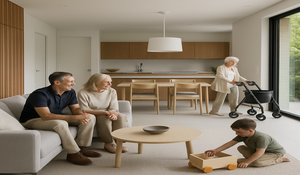
Aging brings natural changes in balance, vision, and strength. A home designed for younger bodies often doesn’t adapt to the changes that occur as people age. The goal of home safety upgrades is to reduce fall risks, improve accessibility, and support long-term aging in place.
Common home safety hazards
Bathrooms are the most dangerous area due to slippery surfaces and transfers in and out of tubs or showers. Stairs and entryways present challenges with depth perception and endurance. Poor lighting, clutter, and loose rugs also significantly increase fall risk.
High-impact safety improvements
Bathroom upgrades—such as grab bars, non-slip flooring, and walk-in showers—offer the largest return on investment for safety. Improved lighting in hallways, staircases, and bedrooms helps prevent nighttime falls. Flooring changes, like removing throw rugs or installing non-slip surfaces, make walking safer throughout the home.
DIY vs professional modifications
Some changes, like adding night lights or removing clutter, are easy DIY wins. Structural upgrades—grab bars, stair railings, ramps, or flooring—should be professionally installed to ensure they’re secure and code-compliant.
Planning for aging in place
Home safety works best when it’s proactive. Making gradual upgrades before a fall or injury occurs allows older adults to remain independent longer and gives families peace of mind.
At T-Square Company, a CAPS Certified Builder, we help homeowners evaluate risks and implement smart, practical safety solutions tailored to their home and lifestyle.
Accessible Remodeling • Universal Design • Aging-in-Place
Let’s make your forever home work beautifully for you—now and for years to come.
David L. Traut, owner of T-Square Company, has written an award-winning Aging in Place Guide
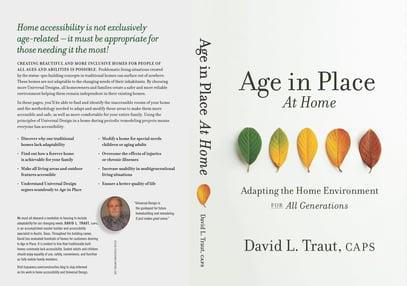
David is also certified in Universal Design in both the United States and Australia. Drawing on decades of expertise, he recently published Age in Place at Home: Adapting the Home Environment for All Generations, a comprehensive guide that explores the role of Universal Design in creating safe, accessible homes.
📘 Age in Place at Home takes readers room by room, explaining practical modifications that enhance safety, accessibility, and independence. The book is available on Amazon.