Organizing Personal Needs to Produce a Plan of Action
Once homeowners decide they want to age in place, the next big question is:
“What home modifications should I actually move forward with to improve safety?”
The answer isn’t doing everything at once — it’s prioritizing the changes that reduce risk, improve daily comfort, and prepare the home for future mobility needs.
Below is a practical roadmap to help homeowners proceed confidently.

Will These Changes Still Feel Like My Home?
Absolutely — when done correctly.
Modern aging-in-place design focuses on:
✔ comfort
✔ beauty
✔ dignity
✔ seamless integration
Today’s universal design blends safety with stylish remodeling — not hospital environments.
Phasing: How to Proceed Without Overspending
Rather than remodeling everything at once, use a phased approach:
✅ Phase 1 – Immediate safety risks
Bathroom upgrades
Lighting improvements
Stair and entry safety
✅ Phase 2 – Accessibility improvements
Door widening
Flooring changes
Kitchen reach adjustments
✅ Phase 3 – Long-term comfort planning
First-floor living conversions
Future mobility accommodations
This strategy controls costs while maximizing safety.
Plan Modifications That Prepare for Future Needs
The smartest upgrades support you now and later — without making your home appear institutional.
Future-ready features include:
- wider hallways and doors
- Reinforced bathroom walls using blocking for grab bars
- step-free showers
- reachable switches and storage below 48 inches
- minimal floor transitions
This allows easy adaptation if mobility changes over time.
Start With the Highest-Risk Area: The Bathroom
Bathrooms account for the majority of in-home injuries for older adults.
The most impactful safety upgrades include:
- curbless or walk-in showers
- built-in seating
- grab bars (properly installed into framing)
- non-slip flooring
- comfort-height toilets
- wider entry doors of 36 inches
These changes reduce fall risk immediately while creating long-term usability.
Improve Entryways and Stairs for Everyday Safety
Difficulty getting in and out of the home — and navigating stairs — is one of the fastest ways independence is lost.
Key upgrades include:
- zero-step or ramped entrances
- sturdy handrails on both sides of the stairs
- brighter stair and hallway lighting
- contrasting step edges for visibility
- non-slip stair surfaces
These modifications significantly reduce the daily risk of falls.
Enhance Lighting and Flooring Throughout the Home
Often overlooked, lighting and flooring upgrades make a huge difference.
Effective safety improvements include:
- brighter layered lighting in hallways, stairs, kitchens, and bathrooms
- eliminating glare and shadows
- replacing slick floors with slip-resistant materials
- removing thick rugs and thresholds
Better visibility + stable footing = fewer accidents.
In Summation
Proceeding with home modifications isn’t about fear — it’s about smart planning.
The right upgrades:
• prevent injuries
• preserve independence
• reduce future costs
• make daily living easier
• allow people to stay in the home they love
At T-Square Company, a CAPS Certified Builder, we help homeowners evaluate risks and implement smart, practical safety solutions tailored to their home and lifestyle. Stop procrastinating and schedule an in-home or virtual home assessment today.
Accessible Remodeling • Universal Design • Aging-in-Place
Let’s make your forever home work beautifully for you—now and for years to come.
David L. Traut, owner of T-Square Company, has written an award-winning Aging in Place Guide
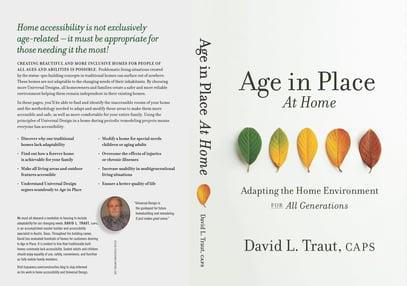
David is also certified in Universal Design in both the United States and Australia. Drawing on decades of expertise, he published Age in Place at Home: Adapting the Home Environment for All Generations, a comprehensive guide that explores the role of Universal Design in creating safe, accessible homes.
📘 Age in Place at Home takes readers room by room, explaining practical modifications that enhance safety, accessibility, and independence. The book is available on Amazon.