Check out my building blog to learn more about construction for your home or office in Austin! David L. Traut, President, CAPS Certified (512)444-0097

Understanding Disability and the Importance of What is Universal Design

Posted byDavid L. Traut, CAPS on Thu, Jan 22, 2026 @ 14:01 PM

General Background Knowledge

Disability is a complex phenomenon — it represents the interaction between a person’s physical abilities, the activities they need to perform, and the architectural barriers within their surroundings. Each person experiences this differently.

Two individuals with the same impairment may describe their challenges in completely different ways. For example, a person who is blind experiences the world very differently than someone who is deaf.

According to national statistics, 19% of adults ages 16–64 and 42% of adults over 65 have a physical disability that affects daily living. These numbers remind us that accessibility isn’t just a senior issue — it’s a universal human need.


Designing Homes for All Ages and Abilities

The reality of disability applies not just to older adults but also to children and individuals with special needs. The building industry must work together to ensure that all homes meet essential needs of safety, affordability, and durability.

A truly accessible home should support:

  • Privacy

  • A sense of belonging

  • Personal control

  • Safety and security

These four pillars form the foundation of quality of life — and they are central to every barrier-free design.


The Hidden Barriers in Traditional Homes

Most traditional homes are filled with obstacles that make life difficult for anyone with mobility challenges. These problems become especially evident when a walker or wheelchair is introduced.

Common barriers include:

  • Steps at entrances without ramps

  • Narrow doorways and tight hallways

  • Cramped bathrooms and difficult fixture layouts

  • Kitchens that lack reach range or maneuvering space

  • Door hardware requiring grip strength or fine coordination

These architectural limitations can make a home feel more like a barrier than a refuge.


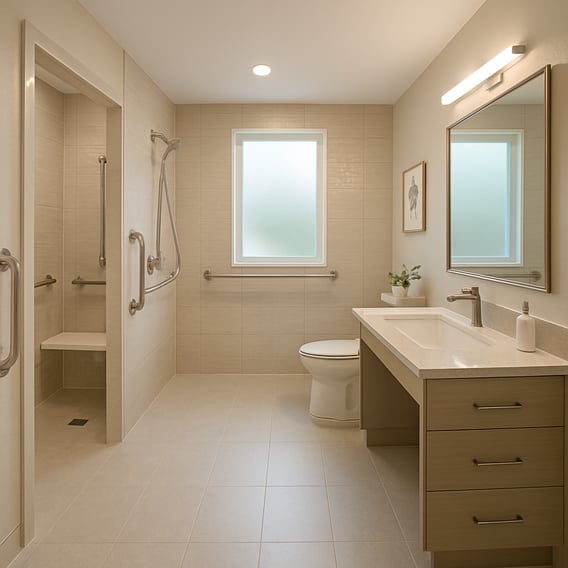
A Completely Accessible Bathroom Incorporating the Elements of Universal Design


The image showcases a beautifully designed spacious bathroom that emphasizes accessibility and modern aesthetics The bathroom features wide doorways.


How Does Universal Design Work to Change Everything?

Home accessibility has evolved far beyond grab bars and ramps. But what is universal design? Today’s Universal Design integrates accessibility into the home’s structure and aesthetics — invisibly and beautifully.

The concept of Universal Design focuses on creating environments, products, and spaces that are usable by as many people as possible, regardless of age, ability, or situation — all without the need for later adaptation.

When done right, Universal Design/Build ideas include:

  • Greater safety for all ages

  • Enhanced independence

  • Timeless beauty and comfort

  • Inclusive usability that doesn’t “look” institutional or medical

Universal Design ensures that homes evolve with their residents — making it possible to age gracefully and confidently in place.


Accessible Home Solutions in Austin, Texas

For homeowners in the Austin area, T-Square Company provides over 30 years of experience in accessibility remodeling and barrier-free home design.

T-Square Company specializes in custom solutions such as:

  • Wider doorways and hallways

  • Roll-in showers and accessible bathrooms

  • Barrier-free kitchens

  • Ramped or zero-threshold entries

  • Stair lifts, elevators, and vertical platform lifts

  • Fully accessible living spaces tailored to your abilities

Every design begins with a deep understanding of each client’s specific needs — resulting in homes that are safer, more functional, and more enjoyable.


About David L. Traut, CAPS

David L. Traut, CAPS, owner and president of T-Square Company in Austin, Texas, is part of an elite group of professionals nationwide to earn the Certified Aging in Place Specialist (CAPS) designation.

Developed through the National Association of Home Builders (NAHB) and AARP, this certification recognizes remodelers and builders trained to address the unique needs of aging adults and individuals with disabilities.

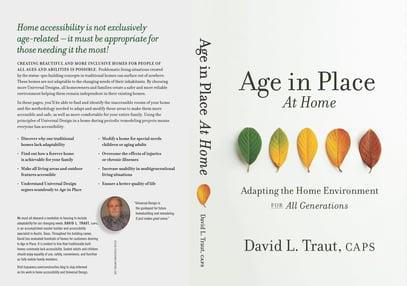
David is also certified in Universal Design in both the United States and Australia. Drawing on decades of experience, he authored Age in Place at Home: Adapting the Home Environment for All Generations, a comprehensive guide that takes readers through every room of the home, showing how to improve safety, accessibility, and comfort.

📘 Age in Place at Home is available now on Amazon and serves as a step-by-step reference and guide for homeowners and professionals alike.


Bringing Accessibility Home

Nearly every existing home can be adapted to meet evolving physical needs. With the right design and planning, families can continue to live comfortably and independently in the place they love most — their home.

By following the principles in Age in Place at Home, you can enhance both your safety and quality of life.

It just makes good sense.


Call to Action

🏡 Ready to make your home safer, more accessible, and future-ready?
Contact T-Square Company, Austin’s Certified Aging in Place experts, to begin your accessible remodeling journey today.
📞 Call 512-444-0097 | 🌐 www.tsquareco.com

Tags: ADA remodeling, CAPS certification holder in Austin, home modifications for independent living, Austin accessible home remodeling, home modifications for disabled children, home modifications for children with disabilities, what does it mean to age in place, what is universal design, Austin disability contractors for special needs, Austin handicap bathroom contractor, Austin aging in place specialist, veterans home accessibility help in Austin, Texas, Austin home remodeling for disabled, accessibility home modifications, universal home design in Austin, Austin home accessibility solutions, Austin home modification services, Age in Place at Home, ADA Remodeling in Austin, ADA Contractor/Austin, Texas, home modifications for aging in place, Dripping Springs home modification services, home accessibility services, what is a forever home?, home accessibility modifications

Aging In Place Bathroom Design/Home Accessibility Help

Posted byDavid L. Traut, CAPS on Mon, Apr 17, 2023 @ 09:04 AM

How do you go about designing an Aging in Place bathroom? This is a common question weighing heavily on the minds of today's aging homeowners. Truly, Aging in Place is all about living independently for as long as possible within your existing home. It is also about being safe and healthy within your home which has had architectural barriers or dangerous areas removed using proven practical home modifications. Trained and certified CAPS professionals are working throughout the residential remodeling industry demonstrating how you can Age in Place with the greatest freedom of movement and maneuverability. Aging in place home design is a concept promoting independence and livability for all types of living environments no matter the age or level of abilities of the occupants. The principle is not entirely age related as recuperation periods from injuries or the progression of debilitating diseases like MS happen to anyone at any age.

Discover the Principles Of Universal Design

Certified Aging In Place Specialist

Just imagine being an active 60-70 year old adult who is able to participate in a full array of activities. This person may continue to work well beyond retirement age, enjoy sports, and travel wherever he or she desires. Then imagine how this same person might react to recovering over a six to eight week period while recuperating from a hip or knee replacement. The inability to move from the bedroom to the bathroom or kitchen without the use of a cane, walker, or wheelchair can be psychologically devastating. Or imagine a person whose hands are now disfigured from the crippling effects of arthritis and they have lost the ability to grasp objects. Just turning on a sink faucet or opening drawers can seem insurmountable to a person with such disabilities. The homeowner has become a prisoner within their own realized inaccessible home in one way or another. This scenario can be avoided by proactive bathroom designs.

Aging in Place Bathroom Design in Austin

Download Our Free Aging In Place Remodeling Considerations Checklist

The physical challenges brought about by narrow hallways and doorways or high thresholds at the home's main entrance or shower area can create an impasse as they now have become physical barriers within the home. Not only has the ability to step over these barriers diminished but standing up from being seated on a low toilet seat has become almost impossible. Imagine the psychological impact of this limited environment on an individual who previously was accustomed to being fit, useful, and independent.

To accommodate the prospect of such physical challenges, dramatic changes to one's home may be necessary in order to Age in Place. Effective home adaptations and modifications can make any home safer and more manageable. Making important design decisions early in our lives can minimize the physical barriers and restrictions in one's home and secure access to the most essential areas like the kitchen and bathroom. This forethought will insure the dignity and independence for the homeowner in the event their mobility becomes restricted.

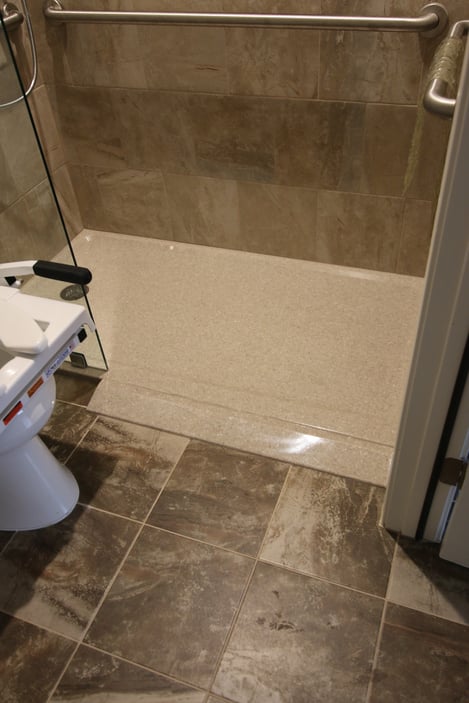
Curb-less roll-in shower in Austin

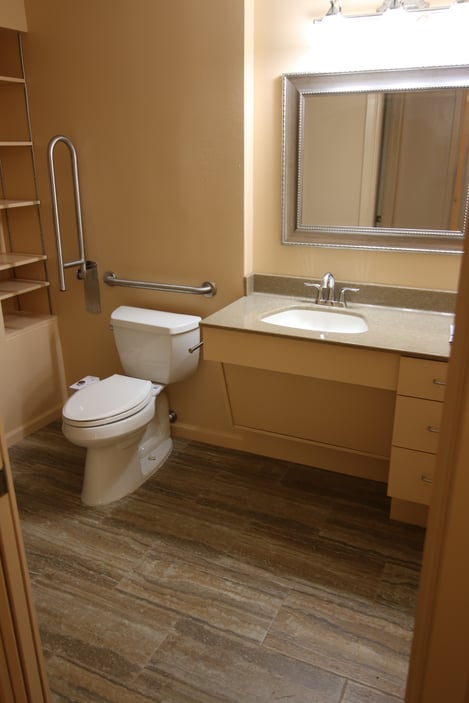
Universally, the Aging in Place bathroom is a little more spacious than in a traditional home with a five-foot turning radius observed. The new bathroom design is safer by reducing the potential for falls. In fact, there are many benefits to using Universal Design techniques, including potential use by aging family members, added resale value appealing to multiple generations, and the fact that you'll be creating a space that can be used by anyone who visits your home, regardless of their size or range of abilities. Bathrooms can be both functional and attractive when planned using elements of Universal Design like cabinetry that allows someone to sit at a barrier free bathroom sink. Either wrist handles or levers control all the faucets throughout the bathroom. Incorporate simple Universal Design updates for aging in place home modifications and handicap bathroom accessibility. Add secure ADA-compliant grab bars or handrails mounted on wooden blocking throughout the room around showers and accessible toilets, install adequate glare-free lighting in the shower and over work areas to prevent dark spots, perform a custom tub to shower conversion, add a seat within the curb-less roll in shower, provide recessed shelving within the shower to reduce floor clutter and tripping hazards, install a taller comfort-height toilet with a bidet attachment, lower upper cabinets and countertops or provide multiple layers for greater adaptability, add non-slip flooring, expand traffic ways, and widen entry doors. You might also consider lowering light switches and other electrical controls and installing easier to use door levers.  Many considerations should be taken into account to provide safety and independence. You should try to provide a clear barrier free path or accessible route to this most visited area of your home as recommended by the ADA. Don't be afraid to spread the room out, because if the new design works well for wheelchairs, it works for everyone.  Well planned accessible Aging in Place bathrooms lift the spirits and enhance dignity.  They have the ability to transform our relationships with our bodies and our homes.

Home Accessibility Help

The National Association of Home Builders, in partnership with the AARP and Home Innovation Research Labs, created the CAPS program, which includes training and education on the technical, business management and customer service skills essential to compete in the fastest growing segment of the residential remodeling industry--home modifications for aging in place.  David L. Traut, CAPS owner and President of T-Square Company in Austin, Texas as a handicap remodeling contractor is one of the select group of professionals nationwide to earn the Certified Aging-In-Place Specialist (CAPS) designation, identifying him as a home remodeler and builder with the skills, training, and knowledge necessary to design and remodel or modify a home to meet the unique needs of the older population, disabled owners, or their visitors.

By the way, David has recently published a book entitled "Age in Place at Home: Adapting the Home Environment for All Generations". It is available on Amazon and stands as a reference book for increasing home accessibility through Universal Design.

For additional information about the CAPS program, visit nahb.org/CAPS.  For more information about T-Square Company, visit www.tsquareco.com or call 512-444-0097.

Tags: ADA compliant kitchen cabinets, aging in place home modifications, aging in place home improvements in Austin, aging in place construction, accessibility home remodeling in Austin, CAPS professional in Austin, accessible home remodeling, aging in place specialist, aging in place services, Austin elder construction, bathroom accessibility remodels in Austin, ADA bathroom Austin, Texas, roll in showers, roll in showers in Austin, walk in shower designs Austin, home modifications for independent living Austin, disability access bathrooms Austin, Austin Handicap Remodeling, universal design ideas, Austin accessible home remodeling, certified aging in place consultant in Austin, aging in place specialist in Austin, aging in place design in Austin, senior aging in place services, age in place home design, home accessibility help in Austin, home access, barrier free home design, Age in Place at Home, home modifications for aging in place, barrier free bathroom layout

Home Modifications for Aging in Place/How Do I Age in Place?

Posted byDavid L. Traut, CAPS on Thu, Jun 23, 2022 @ 14:06 PM

While it may not be possible for every older adult to live independently in their existing home forever, there are many modifications that can be made to the home to increase safety and make it more functional for the homeowners to remain in their own homes longer. By gradually implementing home alterations that support aging in place, today’s seniors maintain their independence, and in the long run, may save a substantial amount of money on senior living.

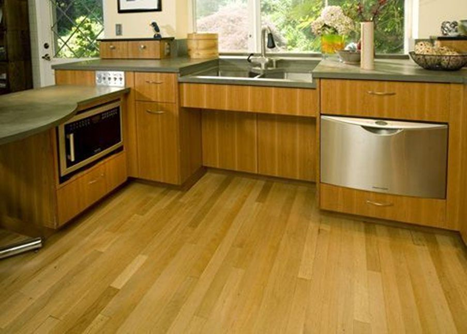
universal design kitchen for aging in place in Austin

More seniors are opting to age in place than ever before. This trend is driven in part by the rising costs of long-term care, coupled with the rapidly growing senior population as the Baby Boomer generation ages. This particular generation is enjoying a more active, vibrant lifestyle than all other previous generations.  Increasing technology and the wider availability of personal services, such as home meal delivery, are making it easier for seniors to remain in their own homes independently. However, aging in place is not for everyone, especially when major disabilities are involved.

Certified Aging In Place Specialist

As with any successful endeavor, You must establish a reasonable plan of action to age in place. This action will involve the input of all parties associated with the homeowner(s). The participants include caregivers, occupational therapists, physical therapists, extended family members, and any other professional medical personnel. Steps taken to move in a positive direction include: 

  1. Take note of your personal abilities and any difficulties you have moving around your home within specific areas.

  2. Seek out a professional assessment of your home provided by a CAPS (Certified Aging in Place Specialist)member. This way you know that you are in good hands because sometimes the renovations required to accommodate a senior or any disabled person, regardless of age, are no easy task and instead take a lot of time, knowledge, and effort.
  3. If you live in a multi-story home, combine the main rooms for activity on the first floor. If this isn't possible, entertain the idea of installing a stair-lift, or better yet, an elevator in your home.

  4. Widen all doorways to 36-inches, and include pocket doors in certain areas to limit architectural barriers caused by swinging doors. Make sure there is at least one no-step entry into the house. Install lever-style door hardware when possible throughout the home.
     
  5. Install a slip-resistant floor throughout your home using wood flooring, cork, rubber, or porcelain tile. Be mindful of the chosen flooring's hardness in case of falls. Carpet offers too much resistance when using any mobility device causing tripping, falls, and instability. Ensure all transitions when changing floor materials are as smooth as possible and below 1/2 inches in height.

  6. Take note of any lighting issues producing dark areas in any room. Add layered lighting throughout the home to increase safety.

  7. Reduce the clutter in all rooms and provide a clear five-foot turning radius in every room.

  8. Reduce the number of doors on cabinets opting for full-extension pull-out shelves or drawers.

  9. As for the bathroom, provide a walk-in or roll-in shower with grab bars on all sides versus a garden tub. A hand-held and fixed shower head provides options for the user or caretaker. A roll under vanity is great for wheelchair use or applying makeup from a seated position. A comfort height toilet associated with grab bars reduces the discomfort of deep knee bends. 

  10. For the kitchen, make it as adaptable as possible to suit the needs of child helpers or granny in her wheelchair. Offer varying cabinet heights and work surfaces. Plan for the shortest work triangle formed by your main sink, refrigerator, and stove locations. Raise your dishwasher 9-12 inches above the floor making it easier to load and unload for everyone.

  11.  Last, but not least, comes the laundry. Install side-swinging doors of opposite swings for the washer and dryer enabling you to simultaneously access both machines from the middle. Don't forget to set the machines on a pedestal to raise them above the floor, in case you ever find yourself using a wheelchair.

Get Educated 


T-Square Company, located in Austin, Texas offers complete design/build Aging in Place Services to its clientele. David L Traut, the President, and owner of T-Square Company is national CAPS certified and has been doing successful accessibility remodels, additions, and construction for over 30 years. Some of our clients include HUD, the VA, and many private homeowners. Contact us today to see how T-Square Company can help you solve issues to streamline your home accessibility to Safely and Comfortably Age in Place in your existing home. 


Tags: aging in place remodeling, CAPS, aging in place home modifications, aging in place, aging in place remodels, Universal Design,, home modifications for independent living, aging in place specialist, aging in place services, aging in place design,, elder construction, accessibility remodelers in Austin, home modifications for independent living Austin, Austin accessible home remodeling, certified aging in place consultant in Austin, universal design building for a lifetime, aging in place home remodeling, home remodeling for disabled, home accessibility help in Austin, remodeling for elders in Austin, disability contractor in Austin, home modifications for elderly in Austin, handicap accessible remodeling, barrier free remodeling, disability remodeling, home modifications for Austin veterans, home access, accessible homes, universal design/build contractor, universal design vs. aging in place, home accessibility, what is aging in place, accessible housing, accessible homes in austin, modifying your home for a disabled child, accessible home builder in Austin, special needs contractor, home renovations for disability in Austin, the basics of aging in place, maneuvering in and around the accessible home, barrier free kitchens, universal design home additions, barrier free design, barrier free home design, Age in Place at Home, disability home remodeling near me, universal design building consultant, home modifications for aging in place