Check out my building blog to learn more about construction for your home or office in Austin! David L. Traut, President, CAPS Certified (512)444-0097

How to Make a Home Safe for Aging Adults (A Complete Guide)

Posted byDavid L. Traut, CAPS on Fri, Mar 20, 2026 @ 13:03 PM

As we age, the home we once navigated without thinking can quietly become filled with risks. Slips, poor lighting, stairs, and narrow walkways all contribute to falls—the leading cause of injury among older adults. Creating a safer home isn’t about taking away independence; it’s about protecting it. 

Plan for Long-Term Independence (Not Just Today)

Safety isn’t only about preventing falls — it’s about designing for changing mobility, strength, and comfort over time.

Safety Is the Foundation of Aging in Place

The most common question I hear from homeowners is:

“What do I need to change so I can stay in my home safely with family members?”

The answer starts with smart design — not drastic moves or institutional renovations.

Small changes today can prevent major injuries tomorrow.
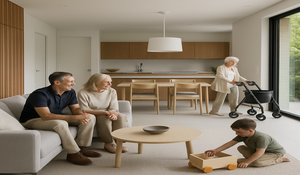
 

multigenerational living when aging in place


Why home safety matters
Aging brings natural changes in balance, vision, and strength. A home designed for younger bodies often doesn’t adapt to the changes that occur as people age. The goal of home safety upgrades is to reduce fall risks, improve accessibility, and support long-term aging in place.

Common home safety hazards
Bathrooms are the most dangerous area due to slippery surfaces and transfers in and out of tubs or showers. Stairs and entryways present challenges with depth perception and endurance. Poor lighting, clutter, and loose rugs also significantly increase fall risk.

High-impact safety improvements
Bathroom upgrades—such as grab bars, non-slip flooring, and walk-in showers—offer the largest return on investment for safety. Improved lighting in hallways, staircases, and bedrooms helps prevent nighttime falls. Flooring changes, like removing throw rugs or installing non-slip surfaces, make walking safer throughout the home.

DIY vs professional modifications
Some changes, like adding night lights or removing clutter, are easy DIY wins. Structural upgrades—grab bars, stair railings, ramps, or flooring—should be professionally installed to ensure they’re secure and code-compliant.

Planning for aging in place
Home safety works best when it’s proactive. Making gradual upgrades before a fall or injury occurs allows older adults to remain independent longer and gives families peace of mind.

At T-Square Company, a CAPS Certified Builder,  we help homeowners evaluate risks and implement smart, practical safety solutions tailored to their home and lifestyle. 

Accessible Remodeling • Universal Design • Aging-in-Place

Let’s make your forever home work beautifully for you—now and for years to come.

David L. Traut, owner of T-Square Company, has written an award-winning Aging in Place Guide
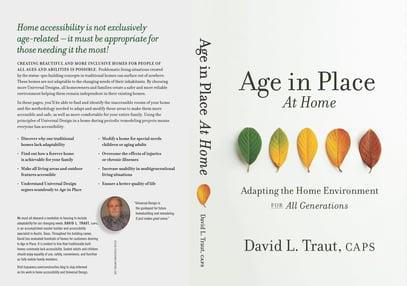
Age in Place at Home Book

David is also certified in Universal Design in both the United States and Australia. Drawing on decades of expertise, he recently published Age in Place at Home: Adapting the Home Environment for All Generations, a comprehensive guide that explores the role of Universal Design in creating safe, accessible homes.

📘 Age in Place at Home takes readers room by room, explaining practical modifications that enhance safety, accessibility, and independence. The book is available on Amazon.

Home Accessibility Help

Tags: what is universal design, wheelchair accessible homes, the basics of aging in place, universal design forever homes, sustainable living design, what is a forever home?, multigenerational homes, increase home accessibility, mobility issues/fall prevention, home safety for seniors, fall prevention for seniors, home safety for older adults, mobility solutions, independent living at home, aging in place guide, improve fall risks

Home Accessibility Services/Independent Aging and Living

Posted byDavid L. Traut, CAPS on Mon, Mar 27, 2023 @ 16:03 PM

The concept of successful and independent aging has become increasingly important, while senior citizens dominate the population. An active independent engagement in life through participation in social and productive activities is a very important aspect of successful aging. However, the built environment oftentimes directly interferes with the successful engagements of older adults once their individual needs change. Therefore, it is necessary to provide modified living environments designed to suit the needs of aging adults. This is the essence of the Aging in Place market of today.

What can be done to solve this inevitable housing dilemma facing the growing number of aging Americans? Of all the design theories that attempt to accommodate the aging process, Universal Design is the most desirable option as it provides built environments that benefit everyone, regardless of their age, size, or ability. Universal Design is a promising voluntary philosophy that requires increased attention from designers and builders participating in Aging in Place. Taken as a whole, it is evident that the application of Universal Design to the home environment is a positive step toward successful aging and living for anyone. In fact, the principles of Universal Design segues directly into what is required for Aging in Place.

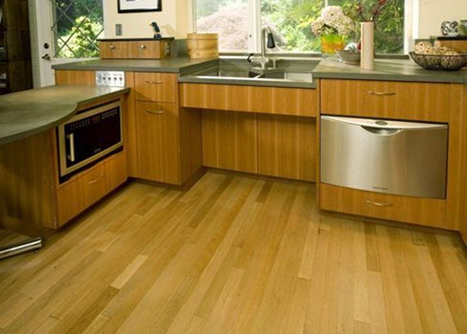
A Wheelchair Accessible Kitchen Incorporating Universal Design Principles

wheelchair accessible kitchen in Austin

Our existing architecture does not lend itself well to accomplishing any simple Aging in Place home remodels.  In fact, there are more inaccessible homes in all of the US than there are accessible homes and 45% of these existing traditional homes are owned by baby boomers. What is more, the baby boomer group represents the largest and oldest group of homeowners. This particular aging group desires to live in their existing home around familiar surroundings as they Age in Place. But what if, for some reason, a home that was once sufficient for all family members becomes no longer accessible. This involves the need for a certified CAPS professional. 

Unfortunately, in most traditional residential US properties, there are commonly no easy ways to enter the home proceeding into bathrooms or utilizing kitchens without coming into contact with one architectural barrier or another-especially if a wheelchair or walker is being used to help with mobility issues. While an estimated 80% of aging homeowners have a firm plan to Age in Place, every mobility device requires the proper clearance and distance along a customized accessible route within the home to function properly. This comfortable route is identified during wheelchair remodeling projects.

Home Accessibility Help

The National Association of Home Builders, in partnership with the AARP and Home Innovation Research Labs, created the CAPS program, which includes training and education on the technical, business management and customer service skills essential to compete in the fastest growing segment of the residential remodeling industry--home modifications for aging in place.  David L. Traut, CAPS the President and owner of T-Square Company in Austin, Texas is one of the select group of professionals nationwide to earn the Certified Aging-In-Place Specialist (CAPS) designation, identifying him as a home remodeler and builder with the skills and knowledge necessary to remodel or modify a home to meet the unique needs of the older population, disabled owners, or their visitors. T-Square Company offers complete services concerning disability renovations beginning with their design/build philosophy. Furthermore, David is certified in Universal Design in the United States and Australia. Call them today at 512-444-0097 to set up a professional assessment of your living situation.

Certified Aging In Place Specialist

After over a year of writing to fulfill his customers' requests, David's new book, "Age in Place At Home," is available for purchase from Amazon. Go to the link below to order his knowledgeable paperback book, which was released in late November, 2022. It provides a great guideline for using the principles of Universal Design in new home construction and/or remodeling for every room in your home. Get your copy today.

https://www.amazon.com/gp/r.html?C=2Z24ENUUAEWUK&K=13Y7YU7PKKYAC&M=urn:rtn:msg:20221010201802eb9acb7b24004a4785cd2ec1d4f0p0na&R=3R6MK9WDXJPH7&T=C&U=http%3A%2F%2Fwww.amazon.com%2Fdp%2FB0BHTV28RV%3Fref_%3Dpe_3052080_276849420&H=7FWEPMGCH0TT8LN6SKPMUOCVJNYA&ref_=pe_3052080_276849420


Tags: wheelchair accessible remodeling, ADA remodeling, ADA compliance, Austin Accessibility Design, Austin accessible home remodeling, senior aging in place services, universal design building for a lifetime, what is universal design, universal principles of design, Austin Senior Home Remodeling, senior home modifications in Austin, Austin disability contractors for special needs, Austin aging in place specialist, veterans home accessibility help in Austin, Texas, what is aging in place, wheelchair accessible homes, Austin home accessibility solutions, ADA Accessibility, home accessibility services, forever home, sustainable living design