Check out my building blog to learn more about construction for your home or office in Austin! David L. Traut, President, CAPS Certified (512)444-0097

Practical Solutions Concerning Home Accessibility Modifications

Posted byDavid L. Traut, CAPS on Thu, Mar 12, 2026 @ 13:03 PM


A T-Square Company Resource | Aging in Place Made Simple

As we age, the home we love can quietly become filled with hazards — slippery floors, poor lighting, narrow pathways, and hard-to-reach spaces. The good news? With thoughtful design and targeted modifications, nearly every home can be transformed into a safer, more comfortable environment that supports independence for years to come.  For homeowners wanting to age in place—or for families supporting aging or disabled loved ones—small changes can make a huge impact on safety, mobility, and independence. Below are practical, effective accessibility solutions for home accessibility modifications that improve everyday living without requiring a full remodel.

Use these ideas to educate your readers, convert visitors, and reinforce T-Square Company’s role as Austin’s trusted Certified Aging-in-Place Specialist (CAPS).
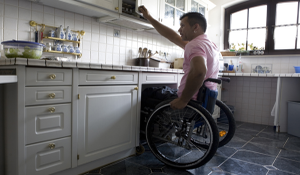
wheelchair accessible kitchen


1. Improve Safety Using Simple, Low-Cost Upgrades

These updates and practical solutions require minimal construction but dramatically increase safety:

✔ Install Grab Bars

Place them near toilets, showers, and tubs to prevent falls.
Tip: Opt for reinforced walls and ADA-rated supports, which include adequate blocking to withstand a sheer force of 250-300 pounds.

✔ Add Non-Slip Flooring

Non-slip tile, vinyl, or textured surfaces help reduce bathroom and kitchen hazards.

✔ Replace Doorknobs with Lever Handles

Easier to use for anyone with arthritis, grip weakness, or limited hand function.

✔ Increase Household Lighting

Use LED bulbs, nightlights, and motion-sensor lighting to improve visibility and reduce fall risks.

✔ Add Handrails in Hallways

Support balance throughout the home—especially in long hallways or stair areas.


2. Make Everyday Mobility Easier

These modifications help homeowners move freely and safely.

✔ Widen Doorways

Allow walkers, wheelchairs, or mobility devices to pass through comfortably (ideally 36").

✔ Install Ramps or Zero-Step Entries

Eliminate trip hazards at the front door, garage, or patio.

✔ Smooth Out Flooring Transitions

Remove thresholds or add bevels so mobility devices glide smoothly between rooms.

✔ Rearrange Furniture for Clear Paths

Create accessible “travel lines” from room to room.


3. Bathroom Accessibility Solutions

The bathroom is the #1 area where falls occur—so improvements here have the greatest impact.

✔ Walk-In or Curbless Showers

Easy entry and exit without stepping over a tub or curb.

✔ Shower Seats or Fold-Down Benches

Provide safe seating for bathing.

✔ Handheld Adjustable Showerheads

Increase comfort, safety, and independence.

✔ Comfort-Height Toilets

Raise the toilet height for easier sitting and standing.

✔ Slip-Resistant Tile

Prevent bathroom falls even when surfaces are wet.


4. Kitchen Accessibility Solutions

Accessibility meets convenience in a well-designed kitchen.

✔ Pull-Out Shelves & Drawers

Reduce bending, reaching, or straining.

✔ D-Shaped Drawer Handles

Easier to grasp than traditional knobs.

✔ Side-Opening Wall Ovens & Induction Cooktops

Safer and more ergonomic for older adults.

✔ Lowered or Adjustable Countertops

Ideal for seated use or limited reach.

✔ Better Task Lighting

Under-cabinet lighting helps prevent accidents.


5. Bedroom Safety & Accessibility Solutions

Enhance comfort, mobility, and nighttime safety.

✔ Install Motion-Activated Lighting

Pathway lights illuminate automatically when someone gets out of bed.

✔ Adjust Bed Height

Make standing and sitting easier and safer.

✔ Add a Bedside Grab Pole

Useful for balance, transfers, or assistance.

✔ Keep Flooring Low-Pile or Smooth

Reduce tripping hazards and improve mobility device performance.


6. Whole-Home Smart Technology Enhancements

Technology can be a powerful partner in safe aging.

✔ Smart Thermostats

Keep temperatures steady and easy to control.

✔ Voice-Activated Lighting

Great for low mobility or limited dexterity.

✔ Smart Locks & Video Doorbells

Enhance security and reduce risky trips to the door.

✔ Fall-Detection Devices & Emergency Alerts

Support safety for independent living.


7. Exterior & Entryway Accessibility Fixes

Ensure safety from the moment you arrive home.

✔ Ramps, Railings & Handrails

Support balance and safe entry.

✔ Exterior Lighting Upgrades

Motion sensors and pathway lights reduce fall risks at night.

✔ No-Step Thresholds

Eliminate tripping hazards at doorways.

✔ Widening Gate or Entry Access

Accommodate mobility devices or walkers.


Why These Modifications Matter

Practical home modifications:

  • Reduce fall risks

  • Support mobility limitations

  • Increase comfort and confidence

  • Avoid costly long-term care facilities

  • Help seniors remain in the home they love

With the right guidance, these changes can be made safely, efficiently, and affordably.


Work With Austin’s Trusted Accessibility Experts

As a Certified Aging-in-Place Specialist (CAPS) with over 30 years in residential design and remodeling, I’ve helped countless families turn everyday houses into accessible, future-ready homes.  T-Square Company is a Certified Aging-in-Place Specialist (CAPS) with over 35 years of accessibility remodeling expertise. We help homeowners design safer, more functional living environments through:

  • Professional home assessments

  • Customized accessibility plans

  • Bathroom & kitchen remodels

  • Universal Design solutions

  • Aging-in-place guidance for families and caregivers

T-Square Company — Austin, TX

David L. Traut, CAPS #1636580, owner/president, Member National Aging in Place Council (NAIPC)

512-444-0097

Accessible Remodeling • Universal Design • Aging-in-Place

Let’s make your forever home work beautifully for you—now and for years to come.
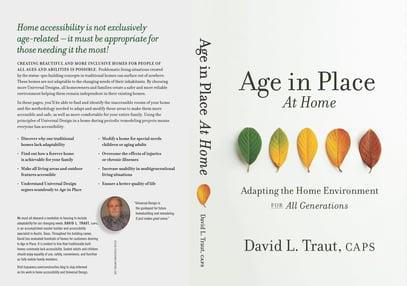
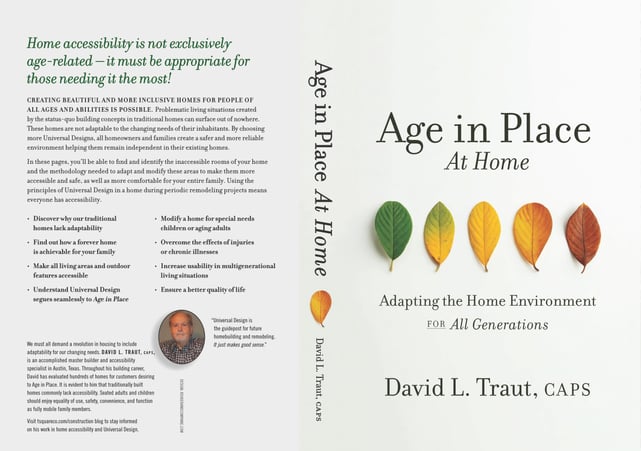
Age in Place at Home Book

David is also certified in Universal Design in both the United States and Australia. Drawing on decades of expertise, he recently published Age in Place at Home: Adapting the Home Environment for All Generations, a comprehensive guide that explores the role of Universal Design in creating safe, accessible homes.

📘 Age in Place at Home takes readers room by room, explaining practical modifications that enhance safety, accessibility, and independence. The book is available now on Amazon.

Certified Aging In Place Specialist


Tags: senior aging in place services, home modifications for children with disabilities, home modifications for elderly in Austin, universal design/build contractor, universal design vs. aging in place, what is aging in place, the basics of aging in place, Barrier-free designs, home accessibility modifications, how to age in place, senior home remodeling, David L. Traut, CAPS, accessible bathrooms, fall prevention, mobility solutions, CAPS certified professional, independent living at home

Understanding Disability and the Importance of What is Universal Design

Posted byDavid L. Traut, CAPS on Thu, Jan 22, 2026 @ 14:01 PM

General Background Knowledge

Disability is a complex phenomenon — it represents the interaction between a person’s physical abilities, the activities they need to perform, and the architectural barriers within their surroundings. Each person experiences this differently.

Two individuals with the same impairment may describe their challenges in completely different ways. For example, a person who is blind experiences the world very differently than someone who is deaf.

According to national statistics, 19% of adults ages 16–64 and 42% of adults over 65 have a physical disability that affects daily living. These numbers remind us that accessibility isn’t just a senior issue — it’s a universal human need.


Designing Homes for All Ages and Abilities

The reality of disability applies not just to older adults but also to children and individuals with special needs. The building industry must work together to ensure that all homes meet essential needs of safety, affordability, and durability.

A truly accessible home should support:

  • Privacy

  • A sense of belonging

  • Personal control

  • Safety and security

These four pillars form the foundation of quality of life — and they are central to every barrier-free design.


The Hidden Barriers in Traditional Homes

Most traditional homes are filled with obstacles that make life difficult for anyone with mobility challenges. These problems become especially evident when a walker or wheelchair is introduced.

Common barriers include:

  • Steps at entrances without ramps

  • Narrow doorways and tight hallways

  • Cramped bathrooms and difficult fixture layouts

  • Kitchens that lack reach range or maneuvering space

  • Door hardware requiring grip strength or fine coordination

These architectural limitations can make a home feel more like a barrier than a refuge.


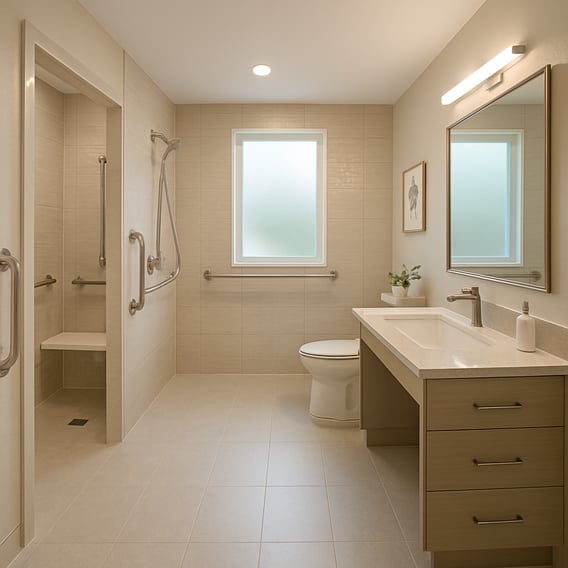
A Completely Accessible Bathroom Incorporating the Elements of Universal Design


The image showcases a beautifully designed spacious bathroom that emphasizes accessibility and modern aesthetics The bathroom features wide doorways.


How Does Universal Design Work to Change Everything?

Home accessibility has evolved far beyond grab bars and ramps. But what is universal design? Today’s Universal Design integrates accessibility into the home’s structure and aesthetics — invisibly and beautifully.

The concept of Universal Design focuses on creating environments, products, and spaces that are usable by as many people as possible, regardless of age, ability, or situation — all without the need for later adaptation.

When done right, Universal Design/Build ideas include:

  • Greater safety for all ages

  • Enhanced independence

  • Timeless beauty and comfort

  • Inclusive usability that doesn’t “look” institutional or medical

Universal Design ensures that homes evolve with their residents — making it possible to age gracefully and confidently in place.


Accessible Home Solutions in Austin, Texas

For homeowners in the Austin area, T-Square Company provides over 30 years of experience in accessibility remodeling and barrier-free home design.

T-Square Company specializes in custom solutions such as:

  • Wider doorways and hallways

  • Roll-in showers and accessible bathrooms

  • Barrier-free kitchens

  • Ramped or zero-threshold entries

  • Stair lifts, elevators, and vertical platform lifts

  • Fully accessible living spaces tailored to your abilities

Every design begins with a deep understanding of each client’s specific needs — resulting in homes that are safer, more functional, and more enjoyable.


About David L. Traut, CAPS

David L. Traut, CAPS, owner and president of T-Square Company in Austin, Texas, is part of an elite group of professionals nationwide to earn the Certified Aging in Place Specialist (CAPS) designation.

Developed through the National Association of Home Builders (NAHB) and AARP, this certification recognizes remodelers and builders trained to address the unique needs of aging adults and individuals with disabilities.

David is also certified in Universal Design in both the United States and Australia. Drawing on decades of experience, he authored Age in Place at Home: Adapting the Home Environment for All Generations, a comprehensive guide that takes readers through every room of the home, showing how to improve safety, accessibility, and comfort.

📘 Age in Place at Home is available now on Amazon and serves as a step-by-step reference and guide for homeowners and professionals alike.


Bringing Accessibility Home

Nearly every existing home can be adapted to meet evolving physical needs. With the right design and planning, families can continue to live comfortably and independently in the place they love most — their home.

By following the principles in Age in Place at Home, you can enhance both your safety and quality of life.

It just makes good sense.


Call to Action

🏡 Ready to make your home safer, more accessible, and future-ready?
Contact T-Square Company, Austin’s Certified Aging in Place experts, to begin your accessible remodeling journey today.
📞 Call 512-444-0097 | 🌐 www.tsquareco.com

Tags: ADA remodeling, CAPS certification holder in Austin, home modifications for independent living, Austin accessible home remodeling, home modifications for disabled children, home modifications for children with disabilities, what does it mean to age in place, what is universal design, Austin disability contractors for special needs, Austin handicap bathroom contractor, Austin aging in place specialist, veterans home accessibility help in Austin, Texas, Austin home remodeling for disabled, accessibility home modifications, universal home design in Austin, Austin home accessibility solutions, Austin home modification services, Age in Place at Home, ADA Remodeling in Austin, ADA Contractor/Austin, Texas, home modifications for aging in place, Dripping Springs home modification services, home accessibility services, what is a forever home?, home accessibility modifications

Understanding Disability and the Importance of Universal Design

Posted byDavid L. Traut, CAPS on Tue, Oct 28, 2025 @ 15:10 PM


Disability is a complex phenomenon — it represents the interaction between a person’s physical abilities, the activities they need to perform, and the architectural barriers within their surroundings. Each individual experiences this differently. Two people with the same impairment may describe their limitations in completely different ways. The blind navigate a world that is profoundly different from that of someone who is deaf — and both deserve spaces designed with equal accessibility in mind.

According to national reports, 19% of adults between ages 16 and 64 and 42% of those 65 and older live with a physical disability that affects their daily activities. These realities make it clear: accessibility isn’t just a senior issue — it’s a human one.


Building for All Ages and Abilities

This situation applies to everyone — adults, children, and individuals with special needs. The building industry must work together to ensure that every living environment meets essential human needs: safety, affordability, and structural integrity.

A truly accessible home supports privacy, belonging, control, safety, and security — the cornerstones of quality of life. These values should always guide the planning of any barrier-free design.

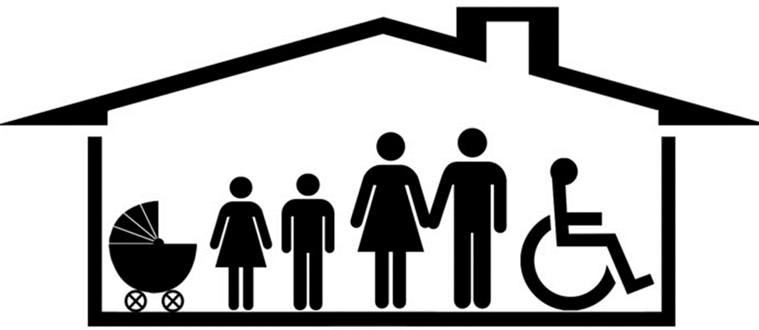
a universal design image showing all generations benefitting from its use


Common Barriers in Traditional Homes

Most traditional homes are full of hidden obstacles that restrict maneuverability for people with disabilities. These challenges become even more pronounced when mobility aids like walkers or wheelchairs are required.

Common architectural barriers include:

  • Steps at entryways with no alternative access

  • Narrow doorways and hallways with tight turns

  • Cramped bathrooms with poor fixture placement

  • Inaccessible outdoor spaces and patios

  • Kitchens that lack clear floor space or proper reach ranges

  • Hard-to-operate door hardware that requires grip strength and coordination

These design flaws can turn an ordinary house into a daily struggle for anyone with mobility limitations.


The Evolution of the Accessible Home

Accessibility has evolved far beyond grab bars and ramps. Modern accessible design is now built into the foundation of the home — seamlessly integrated rather than added as an afterthought.

This shift reflects the growing adoption of Universal Design, a concept that focuses on creating spaces, products, and environments usable by as many people as possible, regardless of age, ability, or circumstance.

Universal Design isn’t about making a home look institutional or medical. It’s about creating beauty, comfort, and functionality that everyone can enjoy — a design approach that feels natural, not clinical.

When done well, Universal Design improves safety and accessibility for every occupant and guest, often in ways that are practically invisible.


Accessible Home Design in Austin, Texas

For those in the Austin area seeking accessibility improvements, T-Square Company offers over 30 years of experience in barrier-free remodeling and accessible home design.

T-Square specializes in customized disability home modifications for residents of all ages, including:

  • Expert and professional home assessments
  • Wider doors and hallways

  • Accessible bathrooms and roll-in showers

  • Barrier-free kitchens

  • Ramped entrances and zero-threshold transitions

  • Stair lifts, elevators, and vertical platform lifts

  • Fully accessible rooms designed to each client’s needs

Every design/build project begins with a clear understanding of the client’s abilities and goals, ensuring that the design solutions enhance both independence and comfort.

Home Accessibility Help


Meet David L. Traut, CAPS

David L. Traut, CAPS, owner and president of T-Square Company in Austin, Texas, is part of a select group of professionals nationwide who have earned the Certified Aging in Place Specialist (CAPS) designation.

This certification, offered through the National Association of Home Builders (NAHB) in collaboration with AARP, recognizes remodelers and builders trained to meet the unique needs of older adults and individuals with disabilities.

David is also certified in Universal Design in both the United States and Australia. Drawing on decades of expertise, he recently published Age in Place at Home: Adapting the Home Environment for All Generations, a comprehensive guide that explores the role of Universal Design in creating safe, accessible homes. David wrote this book as a means to help families through difficult times once their homes lacked optimal livability.

📘 Age in Place at Home takes readers room by room, explaining practical modifications that enhance safety, accessibility, and independence. The book is available now on Amazon.


Living Comfortably, Safely, and Independently

Never fear — almost any existing home can be modified to overcome accessibility challenges. With proper planning, professional guidance, and a bit of creativity, you can ensure that every family member enjoys comfort, safety, and freedom of movement.

Following the guidance in Age in Place at Home will not only improve your quality of life — it will also promote equality of access for everyone under your roof.

It just makes good sense.

Tags: aging in place home modifications, CAPS certified remodeling in Austin, certified aging in place specialist, aging in place design in Austin, 7 principles of universal design, special needs contractor in Austin, Austin disability contractors for special needs, Austin aging in place specialist, disability access contractor, accessibility home modifications, Austin home accessibility solutions, CAPS-certified remodeling in Dripping Springs, Dripping Springs special needs contractor, universal design forever homes, Universal Design for Disabilities, Barrier-free designs, Universal Design Building Professional in Austin, home accessibility modifications, safe bathroom design for seniors, how to age in place

"Age in Place at Home" Book by David L. Traut, CAPS, Austin, Texas

Posted byDavid L. Traut, CAPS on Fri, Sep 12, 2025 @ 13:09 PM

At T-Square Company, we’ve spent more than 30 years helping families create homes that are safe, comfortable, and built for every stage of life. Now, our President and Owner, David L. Traut, has brought that same experience and passion to the page in his book: Age in Place at Home: Adapting the Home Environment for All Generations.


Why This Book Matters

The concept of “aging in place” is simple but powerful: with the right planning and design, people can continue living independently in the homes they love, even as their needs change. For many, staying home means holding on to dignity, comfort, and treasured memories.

Drawing on his decades of work as a builder and CAPS-certified professional, David wrote Age in Place at Home to be more than just a construction guide. It’s a roadmap for homeowners, families, caregivers, and professionals who want practical solutions and peace of mind.


What You’ll Learn Inside

  • Home Modifications That Matter Most — from safe bathrooms to wider doorways, grab bars, and better lighting.

  • Universal Design Principles — creating beautiful spaces that work for everyone, not just those with special needs.

  • Fall Prevention & Safety Tips — simple adjustments that make a big difference in daily life.

  • Planning for the Future — how to think ahead so your home adapts gracefully as life changes.

  • Resources & Guidance — including checklists, questions to ask contractors, and financial assistance options.


Who Should Read It

  • Homeowners who want to prepare their house for the future.

  • Families caring for aging loved ones.

  • Builders, designers, and architects interested in Universal Design.

  • Anyone who believes that home should always be a place of safety, dignity, and belonging.


Where to Find the Book

Age in Place at Home is now available on Amazon in both paperback and Kindle editions.


👉 Click here to view the book on Amazon


Age in Place at Home_CV_FL_vX2_Page_1-jpeg


Final Thoughts

This book is more than a professional resource — it’s a personal mission. As David often says, “Home isn’t just where you live. It’s where you belong.”

At T-Square Company, we’re proud to bring that philosophy to life every day — and now, through Age in Place at Home, we’re excited to share it with readers everywhere.


Tags: barrier free access, aging in place home modifications, wheelchair accessible baths and kitchens, CAPS certified remodeling in Austin, aging in place designs, CAPS professional in Austin, home modifications for independent living, disability home modifications in Austin, home modifications for independent living Austin, universal design ideas, age in place home design, home modifications for disabled children, universal design building for a lifetime, special needs contractor in Austin, senior home modifications in Austin, handicap accessible home modifications, accessibility home modifications, accessible home modifications, special needs contractor, Austin home accessibility solutions, ADA Accessibility, CAPS-certified remodeling in Dripping Springs, dripping springs handicap bathroom contractor, home accessibility help, what is a forever home?, multigenerational homes, home accessibility modifications, how to age in place book, safe bathroom design for seniors, planners home edit, how to age in place