

The Forever Home Blueprint | Designing A Home That Grows With You
David L. Traut, CAPS • September 7, 2026

Most people don't wake up one morning needing an accessible home. The need develops gradually through aging, an injury, surgery, or a changing health condition.


Unfortunately, many homeowners wait until a crisis forces them to remodel quickly. That often leads to rushed decisions, higher costs, and unnecessary stress.


At T-Square Company in Austin, Texas, we encourage homeowners to think differently. We introduce them to a Forever Home Blueprint. This long-term strategy helps your home adapt as your needs change, allowing you to remain independent, comfortable, and safe for decades.


There comes a moment in almost every homeowner's life when they look around their home and begin to wonder what the future might hold. It may happen after recovering from surgery, helping an aging parent, welcoming a new grandchild, or simply noticing that climbing the stairs isn't quite as easy as it used to be. Suddenly, the home that has served your family so well begins to reveal small obstacles that were once easy to overlook.

At T-Square Company, we've spent more than three decades helping homeowners throughout Central Texas adapt their homes to changing lifestyles and abilities. One lesson has remained constant throughout those years: the best time to prepare your home for the future is long before you actually need to.


That's what I call creating a Forever Home Blueprint using the principles of Universal Design.


Why Every Home Needs A Forever Home Blueprint


A Forever Home Blueprint isn't a set of construction drawings or a remodeling contract. It's a long-term vision that allows your home to evolve as your life changes. Instead of waiting for an illness, injury, or health crisis to force expensive and hurried renovations, homeowners can make thoughtful improvements over time, creating a home that continues to provide comfort, safety, and independence for decades.


Think of your home as something that should mature alongside you. Just as we update our financial plans, insurance policies, and retirement goals throughout life, our homes deserve the same level of planning.

How To Build Your Forever Home Over Time


The journey often begins at the front door.


A single step that seems insignificant today could become one of tomorrow's greatest barriers. A no-step entrance allows everyone, from parents pushing strollers to someone recovering from hip surgery, to enter safely and comfortably. Wide walkways, better lighting, and slip-resistant surfaces create welcoming spaces while quietly reducing the risk of falls.

Once inside, thoughtful design becomes even more important. Hallways should allow people to move freely, doorways should accommodate walkers or wheelchairs if they ever become necessary, and lever-style door handles should replace traditional knobs that become difficult to operate for someone with arthritis or reduced hand strength. These aren't institutional features. They're examples of good design that simply make life easier for everyone.


The kitchen, often called the heart of the home, should also be designed for flexibility. Pull-out shelves eliminate the need to crawl into deep cabinets. Drawers provide easier access than lower cabinets. Varying countertop heights can accommodate people whether they're standing, seated, or using mobility equipment. Accessible kitchens aren't about sacrificing beauty—they're about making beautiful spaces work better throughout every stage of life.


Bathrooms deserve special attention because they remain one of the most common locations for injuries inside the home. A curbless shower, strategically placed grab bars, non-slip flooring, comfort-height toilets, and improved lighting all contribute to a safer environment while maintaining an elegant appearance. Many homeowners are surprised to discover that today's accessible bathrooms often resemble luxury spa retreats more than traditional accessible spaces.

How Smart Home Technology is Transforming Aging in Place


Bedrooms are evolving as well. Increasingly, homeowners are creating flexible rooms that can serve multiple purposes over time. A guest room today may someday become a caregiver suite or a temporary recovery room after surgery. By planning for wider clearances, convenient electrical outlets, improved lighting, and accessible bathrooms nearby, families gain tremendous flexibility without dramatically changing the appearance of their homes.


Technology is becoming another essential part of the Forever Home Blueprint.


Today's smart homes do far more than turn lights on and off. Voice-controlled systems can adjust lighting, lock doors, operate window coverings, and call family members with simple spoken commands. Smart thermostats maintain comfort automatically, while security systems provide reassurance whether you're home or traveling.

Why The Home Is Becoming A Healthcare Hub


Artificial intelligence is beginning to take this even further. Instead of waiting for emergencies to happen, AI-powered systems can recognize subtle changes in daily routines that may indicate developing health concerns. A noticeable decrease in activity, interrupted sleep patterns, slower walking speeds, or changes in medication routines can all provide early warning signs that something may be changing. These technologies aren't designed to replace family caregivers—they're designed to support them by providing information that helps prevent problems before they become emergencies.


Healthcare itself is changing alongside our homes.


Telehealth appointments, remote patient monitoring, and home-based medical care are becoming increasingly common. More families are designing flexible treatment spaces that can accommodate physical therapy, visiting nurses, medical equipment, or virtual physician appointments without disrupting everyday life. The modern home is rapidly becoming an extension of the healthcare system, making thoughtful planning more valuable than ever before.

The Biggest Misconception About Aging in Place


Perhaps the greatest misconception about aging in place is that it only applies to older adults.

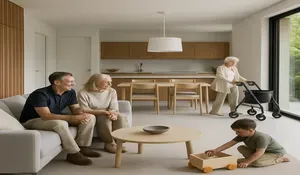
In reality, a Forever Home benefits every generation. It makes life easier for young families carrying infants, adults recovering from injuries, grandparents visiting for the holidays, and anyone who wants to live comfortably without unnecessary physical barriers. Universal Design isn't about planning for old age—it's about creating a home that serves people well throughout every stage of life.


A Forever Home Blueprint isn't completed all at once. It's built over the years through thoughtful decisions, carefully planned renovations, and investments that add value and prepare for the future. Some improvements are simple weekend projects. Others naturally become part of larger remodeling efforts. Together, they create a home that supports changing needs without sacrificing beauty, comfort, or personal style.


At T-Square Company, we believe every homeowner deserves more than a remodeling project. They deserve a plan. Our goal is to help families create homes that are prepared not only for today's needs but also for tomorrow's opportunities and challenges. When a home is designed to adapt, it becomes more than a place to live; it becomes a lifelong partner in health, independence, and peace of mind.


That's the true purpose of a Forever Home Blueprint. It's not about preparing for the unexpected. It's about designing a home that's ready for whatever life brings next.

How To Build Your Forever Home Over Time


A Forever Home isn't built in a weekend, and it doesn't require completing all modifications at once. The key is having a thoughtful plan that allows your home to evolve with your life. Some improvements are inexpensive and can be made immediately, while others are best incorporated into future remodeling projects.


At T-Square Company, we help homeowners create personalized blueprints that balance today's budget with tomorrow's needs. By combining Universal Design principles, accessibility expertise, and emerging technologies, we design homes that are safer, more comfortable, and prepared for whatever the future brings.


David L. Traut, CAPS, President of T-Square Company, has spent more than 30 years helping homeowners create safer, more accessible, and more valuable homes through Universal Design, aging-in-place remodeling, and innovative home technology. His Forever Home Blueprint approach helps families plan for today while preparing confidently for tomorrow. David is a founding member of the National Aging in Place Council and the award-winning author of Age in Place at Home: Adapting the Home Environment For All Generations, which is available on Amazon.

By David L. Traut, CAPS • September 15, 2026
What Are The Misconceptions Of Aging in Place?  One of the biggest misconceptions about aging in place is that it is simply about avoiding the cost of assisted living. In reality, it is about preserving independence, protecting financial security, and maintaining the quality of life that only a familiar home can provide. While assisted living is an excellent solution for individuals who require around-the-clock support, many older adults can safely remain in their own homes for years with thoughtful planning, strategic home modifications, and today's rapidly advancing technologies. The financial difference alone deserves careful consideration. Assisted living communities now cost tens of thousands of dollars each year, and over several years those expenses can easily consume hundreds of thousands of dollars that will never be recovered. In contrast, investing in accessibility improvements or home modifications such as a barrier-free bathroom, an accessible kitchen, better lighting, wider doorways, and smart home technologies is often a fraction of that cost. Even more important, aging-in-place homeowners continue to accrue equity in a valuable asset that may appreciate over time rather than spending those resources on monthly housing fees.
By David L. Traut, CAPS • September 14, 2026
When planning to age in place, the biggest hazards in an older home are often not dramatic structural problems. They are ordinary features that become dangerous as vision, balance, strength, reach, and mobility change. A home that worked perfectly at age 50 may become much harder to navigate safely at 70 or 80.

By David L. Traut, CAPS • August 31, 2026
At T-Square Company, we believe successful aging in place requires more than installing accessibility features or other home modifications. It requires designing homes that are flexible enough to adapt as technology continues to evolve. David L. Traut, CAPS, the president of T-Square Company, has spent more than 30 years helping Central Texas homeowners create homes that adapt to changing needs. Today, we're witnessing one of the most significant transformations our industry has ever experienced. The future of aging in place is no longer focused solely on physical modifications. It is about creating intelligent homes that combine thoughtful design and technology to help people remain independent longer and improve quality of life. Universal Design principles provide the foundation to build upon, while smart home technology, AI, telehealth, and connected healthcare systems add new layers of safety, convenience, and independence.
By David L. Traut, CAPS • August 24, 2026
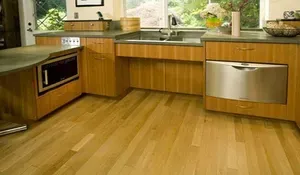
How To Proceed With Your Accessible Kitchen Remodel  The kitchen is often called the heart of the home, and for good reason. It is where families gather to share meals, grandchildren learn treasured family recipes, and holiday traditions are created and passed from one generation to the next. More than just a place to prepare food, the kitchen is a center of daily life, connection, and independence. As we age, however, tasks that once seemed effortless, like reaching upper cabinets, bending to access lower shelves, lifting heavy cookware, or standing for extended periods, can become increasingly difficult. Losing the ability to comfortably use your familiar kitchen often means losing a measure of confidence and independence. Fortunately, thoughtful planning and Universal Design principles can transform the kitchen into a space that continues to support your lifestyle for decades to come. By incorporating accessible features that blend seamlessly with beautiful design, your kitchen can remain a welcoming place where family memories are made, meals are shared, and independence is preserved throughout every stage of life. Keep in mind, accessible kitchens aren't about preparing for old age; it's about creating a space that supports every stage of life. Whether you're 45 or 85, thoughtful design makes cooking safer, more enjoyable, and less physically demanding. The best kitchens don't simply meet today's needs; they evolve with you, allowing you to continue preparing meals, gathering with loved ones, and making memories in the heart of your home for years to come.
By David L. Traut, CAPS • August 17, 2026
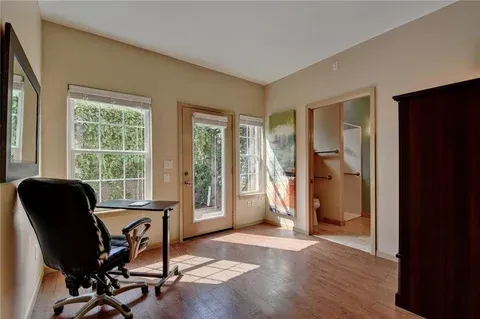
When homeowners begin researching accessibility, they often encounter two terms: Universal Design and ADA (Americans with Disabilities Act) Standards . Although both aim to improve accessibility, they were developed for different purposes and follow different philosophies. Simply put: ADA establishes minimum legal accessibility requirements for public accommodations, commercial buildings, government facilities, and certain multifamily housing financed by the government. Universal Design creates homes and environments that work well for people of all ages, abilities, and stages of life without making them look institutional.  Understanding the difference helps homeowners make better remodeling decisions that increase safety, independence, comfort, and long-term value of their home.
By David L. Traut, CAPS • August 10, 2026
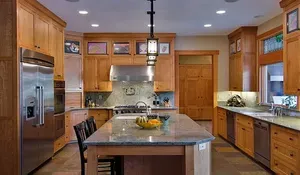
What to Do When Your Home No Longer Fits Your Needs There comes a time when many homeowners begin to notice that the home they've loved for years isn't as easy, or as safe, to live in as it once was. Stairs become more difficult to climb. Stepping over the bathtub feels less secure. Reaching high kitchen cabinets becomes uncomfortable. Tasks that once took little effort begin to require more thought and caution. All these difficult situations come into reality once you ask yourself," Can I stay in my home as I get older?", or "How can I age in place safely?" For some, these changes happen gradually. For others, the onset is sudden after a fall, illness, or surgery. If you've reached the point where your home no longer fits your needs, don't assume your only option is to move. In many cases, thoughtful modifications can transform your existing home into one that supports your independence, safety, and quality of life for years to come. This amounts to the overall trend in Aging in Place. 
By David L. Traut, CAPS • August 3, 2026
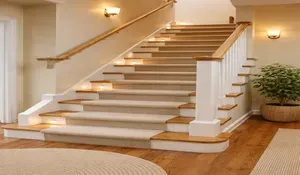
What is Your Home Accessibility Plan? Accessibility improvements in Austin range from basic fall-prevention measures, such as installing grab bars and stair railings, to extensive modifications, such as widening doorways, installing wheelchair ramps, and creating curbless showers. Every thoughtful improvement, whether it's a grab bar, better lighting, an accessible kitchen, or a barrier-free bathroom, is an investment in your future independence. For homeowners who are 55+ or their adult children, I recommend organizing home modifications by minor, moderate, and major improvements. Aging in Place doesn't require a complete remodel all at once. Creating a phased accessibility plan, recommended by T-Square Company in Austin, is a far better choice.

Naipc blue logo on a white background
By david • July 28, 2026
Learn how AI & smart home tech enhance independent living in David L. Traut's chapter for the 'Housing Pillar' book. Contact us for expert advice!
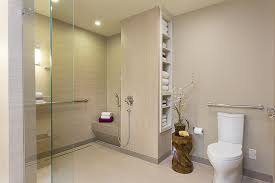
Modern beige bathroom with glass shower, white toilet, and decorative vase
By david • July 21, 2026
Transform your home for senior safety & comfort. Contact David L. Traut for expert modifications that support aging in place.

NAIPC Meet Founding Member card for David Traut, founder of T-Square Company, with portrait on blue background
By david • July 14, 2026
Learn how to adapt your home for safety & comfort as you age. Contact T-Square for personalized assessments & essential modifications.