
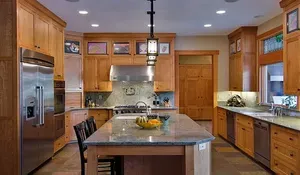

What Are The Misconceptions Of Aging in Place? One of the biggest misconceptions about aging in place is that it is simply about avoiding the cost of assisted living. In reality, it is about preserving independence, protecting financial security, and maintaining the quality of life that only a familiar home can provide. While assisted living is an excellent solution for individuals who require around-the-clock support, many older adults can safely remain in their own homes for years with thoughtful planning, strategic home modifications, and today's rapidly advancing technologies. The financial difference alone deserves careful consideration. Assisted living communities now cost tens of thousands of dollars each year, and over several years those expenses can easily consume hundreds of thousands of dollars that will never be recovered. In contrast, investing in accessibility improvements or home modifications such as a barrier-free bathroom, an accessible kitchen, better lighting, wider doorways, and smart home technologies is often a fraction of that cost. Even more important, aging-in-place homeowners continue to accrue equity in a valuable asset that may appreciate over time rather than spending those resources on monthly housing fees.
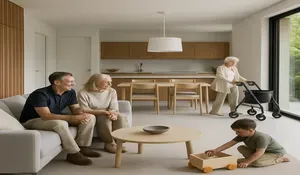
When planning to age in place, the biggest hazards in an older home are often not dramatic structural problems. They are ordinary features that become dangerous as vision, balance, strength, reach, and mobility change. A home that worked perfectly at age 50 may become much harder to navigate safely at 70 or 80.

Most people don't wake up one morning needing an accessible home. The need develops gradually through aging, an injury, surgery, or a changing health condition. Unfortunately, many homeowners wait until a crisis forces them to remodel quickly. That often leads to rushed decisions, higher costs, and unnecessary stress. At T-Square Company in Austin, Texas, we encourage homeowners to think differently. We introduce them to a Forever Home Blueprint. This long-term strategy helps your home adapt as your needs change, allowing you to remain independent, comfortable, and safe for decades. There comes a moment in almost every homeowner's life when they look around their home and begin to wonder what the future might hold. It may happen after recovering from surgery, helping an aging parent, welcoming a new grandchild, or simply noticing that climbing the stairs isn't quite as easy as it used to be. Suddenly, the home that has served your family so well begins to reveal small obstacles that were once easy to overlook. At T-Square Company, we've spent more than three decades helping homeowners throughout Central Texas adapt their homes to changing lifestyles and abilities. One lesson has remained constant throughout those years: the best time to prepare your home for the future is long before you actually need to. That's what I call creating a Forever Home Blueprint using the principles of Universal Design.

At T-Square Company, we believe successful aging in place requires more than installing accessibility features or other home modifications. It requires designing homes that are flexible enough to adapt as technology continues to evolve. David L. Traut, CAPS, the president of T-Square Company, has spent more than 30 years helping Central Texas homeowners create homes that adapt to changing needs. Today, we're witnessing one of the most significant transformations our industry has ever experienced. The future of aging in place is no longer focused solely on physical modifications. It is about creating intelligent homes that combine thoughtful design and technology to help people remain independent longer and improve quality of life. Universal Design principles provide the foundation to build upon, while smart home technology, AI, telehealth, and connected healthcare systems add new layers of safety, convenience, and independence.
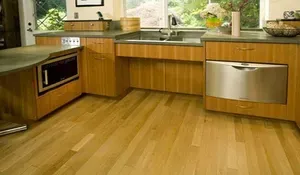
How To Proceed With Your Accessible Kitchen Remodel The kitchen is often called the heart of the home, and for good reason. It is where families gather to share meals, grandchildren learn treasured family recipes, and holiday traditions are created and passed from one generation to the next. More than just a place to prepare food, the kitchen is a center of daily life, connection, and independence. As we age, however, tasks that once seemed effortless, like reaching upper cabinets, bending to access lower shelves, lifting heavy cookware, or standing for extended periods, can become increasingly difficult. Losing the ability to comfortably use your familiar kitchen often means losing a measure of confidence and independence. Fortunately, thoughtful planning and Universal Design principles can transform the kitchen into a space that continues to support your lifestyle for decades to come. By incorporating accessible features that blend seamlessly with beautiful design, your kitchen can remain a welcoming place where family memories are made, meals are shared, and independence is preserved throughout every stage of life. Keep in mind, accessible kitchens aren't about preparing for old age; it's about creating a space that supports every stage of life. Whether you're 45 or 85, thoughtful design makes cooking safer, more enjoyable, and less physically demanding. The best kitchens don't simply meet today's needs; they evolve with you, allowing you to continue preparing meals, gathering with loved ones, and making memories in the heart of your home for years to come.
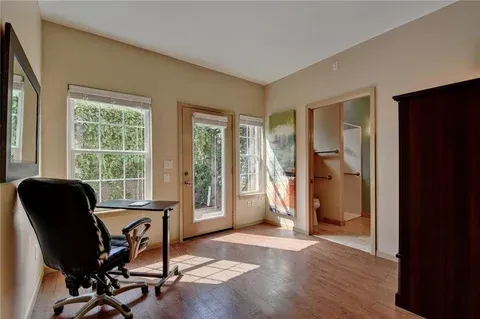
When homeowners begin researching accessibility, they often encounter two terms: Universal Design and ADA (Americans with Disabilities Act) Standards . Although both aim to improve accessibility, they were developed for different purposes and follow different philosophies. Simply put: ADA establishes minimum legal accessibility requirements for public accommodations, commercial buildings, government facilities, and certain multifamily housing financed by the government. Universal Design creates homes and environments that work well for people of all ages, abilities, and stages of life without making them look institutional. Understanding the difference helps homeowners make better remodeling decisions that increase safety, independence, comfort, and long-term value of their home.
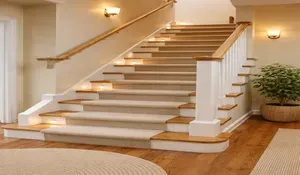
What is Your Home Accessibility Plan? Accessibility improvements in Austin range from basic fall-prevention measures, such as installing grab bars and stair railings, to extensive modifications, such as widening doorways, installing wheelchair ramps, and creating curbless showers. Every thoughtful improvement, whether it's a grab bar, better lighting, an accessible kitchen, or a barrier-free bathroom, is an investment in your future independence. For homeowners who are 55+ or their adult children, I recommend organizing home modifications by minor, moderate, and major improvements. Aging in Place doesn't require a complete remodel all at once. Creating a phased accessibility plan, recommended by T-Square Company in Austin, is a far better choice.

Learn how AI & smart home tech enhance independent living in David L. Traut's chapter for the 'Housing Pillar' book. Contact us for expert advice!
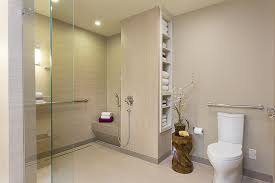
Transform your home for senior safety & comfort. Contact David L. Traut for expert modifications that support aging in place.

Learn how to adapt your home for safety & comfort as you age. Contact T-Square for personalized assessments & essential modifications.