
Accessible Home Additions Austin
When your current floor plan no longer works for your life, a thoughtfully designed addition can change everything. T-Square Company has been building accessible home additions in Austin and Central Texas since 1974, applying a graduate-level understanding of neurophysiology to every square foot we add. Whether you need a dedicated accessible living space, a multigenerational suite, or an Accessory Dwelling Unit for a caregiver, we design and build it around your specific abilities, not a generic code checklist.
Our Approach
Built Around Your Abilities, Not Just a Building Code
Most contractors follow ADA guidelines and call it a day. ADA-compliant additions are a starting point, but those standards were written for commercial and government spaces, not for the nuances of how a real person moves through their own home. At T-Square, our owner David Traut holds a graduate degree in neurophysiology and has spent decades applying that science to residential design. Every addition we plan accounts for your actual reach range, wheelchair turning radius, and transfer ability, both now and as your needs change over time. This is aging in place addition design grounded in biology, not guesswork.
What We Build
Two Paths to More Accessible Living Space
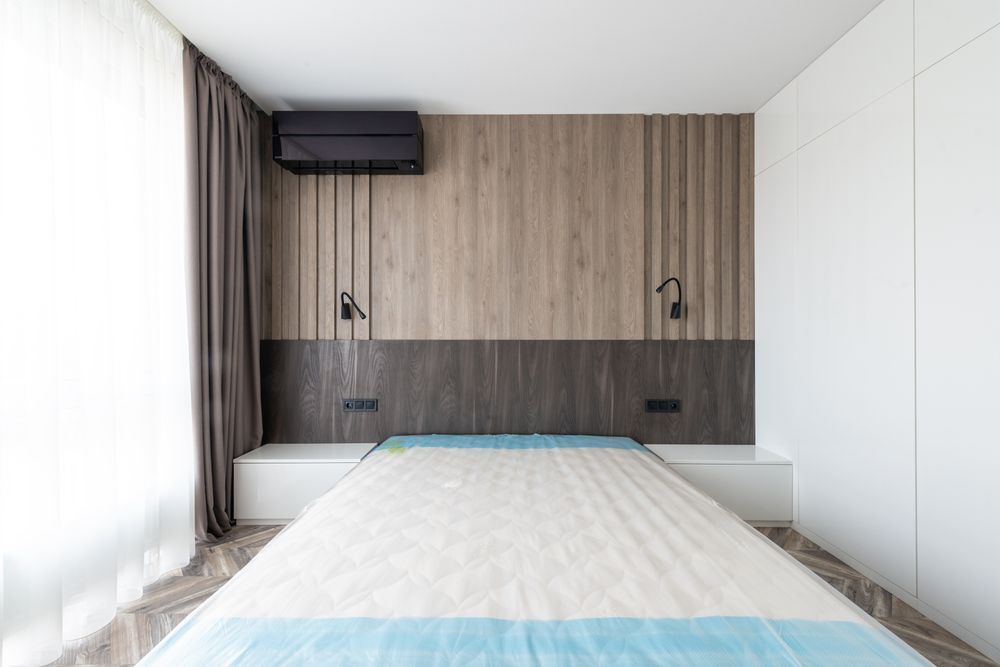
T-Square offers two distinct types of accessible living space additions, and the right choice depends on your goals, your property, and your budget. The first option is an Accessory Dwelling Unit, or ADU: a freestanding, fully independent structure on your property. ADUs are ideal for housing a caregiver close by while preserving privacy for everyone involved. The second option is an attached addition, which means building under or extending the existing roofline. This approach is often more cost-effective because it can borrow square footage from an underused porch, garage, or closet. Both paths are designed from the ground up as universal design home expansions, so accessibility is built in from day one rather than retrofitted later. David evaluates your specific situation before recommending which direction makes the most sense.
The Process
From Story-First Assessment to Final Walkthrough
Every project at T-Square begins with a conversation, not a sales pitch. David Traut calls this the Story-First approach: before any design work begins, he listens to your mobility journey, your diagnosis, and your daily challenges. For clients in Austin and nearby communities like Dripping Springs, Wimberley, and Driftwood, this includes an in-home evaluation. Clients outside the immediate area can participate in a virtual camera-based assessment, where you serve as the eyes on the ground and David provides expert design guidance remotely. Once the assessment is complete, the design phase produces a neuro-physical plan specific to your current and anticipated future abilities. T-Square then manages the full build as the superintendent, working with a stable roster of subcontractors who have been part of the team for 15 to 20 years. Projects typically range from $50,000 to $125,000, and the firm works with clients who are prepared to utilize home equity for the investment.
Why T-Square
50 Years of Expertise Behind Every Addition We Build
T-Square was founded in Austin in 1974 and has spent five decades refining what it means to build a home that truly works for the person living in it. David Traut is a Certified Aging-in-Place Specialist (CAPS), a founding member of the National Aging in Place Council and its Greater Austin chapter, and the award-winning author of Aging in Place at Home. He is currently contributing a chapter to a new professional book on high-tech advances in the field, including AI-assisted gait detection and smart home health monitoring. When you work with T-Square, you are not hiring a general contractor who has added accessibility to a service list. You are working with one of the most credentialed accessibility specialists in Central Texas, someone who views every addition as a direct investment in your long-term independence and dignity.
Your Review Matters
Tell Us About Your Experience
If you've worked with our team, we'd appreciate hearing about your experience. Your review helps others feel confident choosing our company and lets us know how we're doing.
Common Questions
What People Ask About Accessible Home Additions
What is the difference between an ADU and an attached addition for accessibility purposes?
An ADU is a fully independent, freestanding structure built on your property, separate from the main house. It works well when you want to house a caregiver nearby while keeping private, self-contained living spaces for everyone. An attached addition is built under or extending the existing roofline and is often more affordable because it can incorporate square footage from an existing porch, closet, or garage. T-Square evaluates your property, your mobility needs, and your budget before recommending which option fits your situation best.How does T-Square's addition design differ from what a standard contractor would build?
A standard contractor typically follows basic ADA guidelines, which were written for commercial and government buildings, not private homes. T-Square's owner David Traut holds a graduate degree in neurophysiology, so every design decision, from doorway width to counter height to turning radius, is based on how your specific body moves. This approach accounts for your current abilities and anticipates how your needs may change over time, so the addition continues to work for you without requiring another round of costly modifications down the road.Can T-Square complete an assessment if I live outside the Austin area?
Yes. For clients outside the immediate Austin service area, T-Square offers virtual camera-based assessments. You use your phone or tablet to show David the existing spaces, and he provides expert design guidance remotely. This process has been used for clients in other states. It allows T-Square to apply the same neurophysiology-informed planning regardless of location, and it can serve as the foundation for a full design-build project if you are in Central Texas, or as professional advice for clients working with local contractors elsewhere.What does a typical accessible home addition project cost?
T-Square's projects typically range from $50,000 to $125,000. The firm does not offer financing, so clients are generally prepared to use home equity to fund the work. This investment reflects the high degree of customization involved: every addition is designed to your specific mobility profile, built with materials selected for long-term durability, and managed by David Traut as superintendent with a team of subcontractors who have worked with the firm for 15 to 20 years. The goal is a space that does not need to be rebuilt as your needs evolve.Can an accessible addition include smart home technology?
Yes. T-Square integrates high-tech features into addition designs where they support independence. This includes smartphone-controlled lighting, smart door openers, leak detection systems, and home controls designed for users with limited hand function. The firm is also working at the forefront of what David calls the home as a treatment room, incorporating spaces that support telehealth consultations and AI-assisted health monitoring. These features are planned as part of the original design, not added as afterthoughts.Is an accessible addition a good fit for someone with a degenerative condition like ALS or MS?
It can be an excellent option. T-Square has specific experience designing for clients with ALS, MS, and Muscular Dystrophy. David's neurophysiology background means he understands the biological progression of these conditions and designs spaces for the abilities you will need in the future, not just today. This might mean wider doorways than current guidelines suggest, a kitchen layout planned for full wheelchair use, or a smart door system installed before it becomes strictly necessary. The goal is to stay ahead of the condition rather than react to each new limitation as it arrives.Which communities near Austin does T-Square serve?
T-Square serves Austin and the surrounding Central Texas communities, including Dripping Springs, Wimberley, and Driftwood. For clients outside this immediate service area, virtual assessments are available. The firm has been operating in this region since 1974 and has a deep familiarity with local building conditions, permit requirements, and the housing stock common to Central Texas properties.