
Your Age in Place at Home Design Guide Book Resource
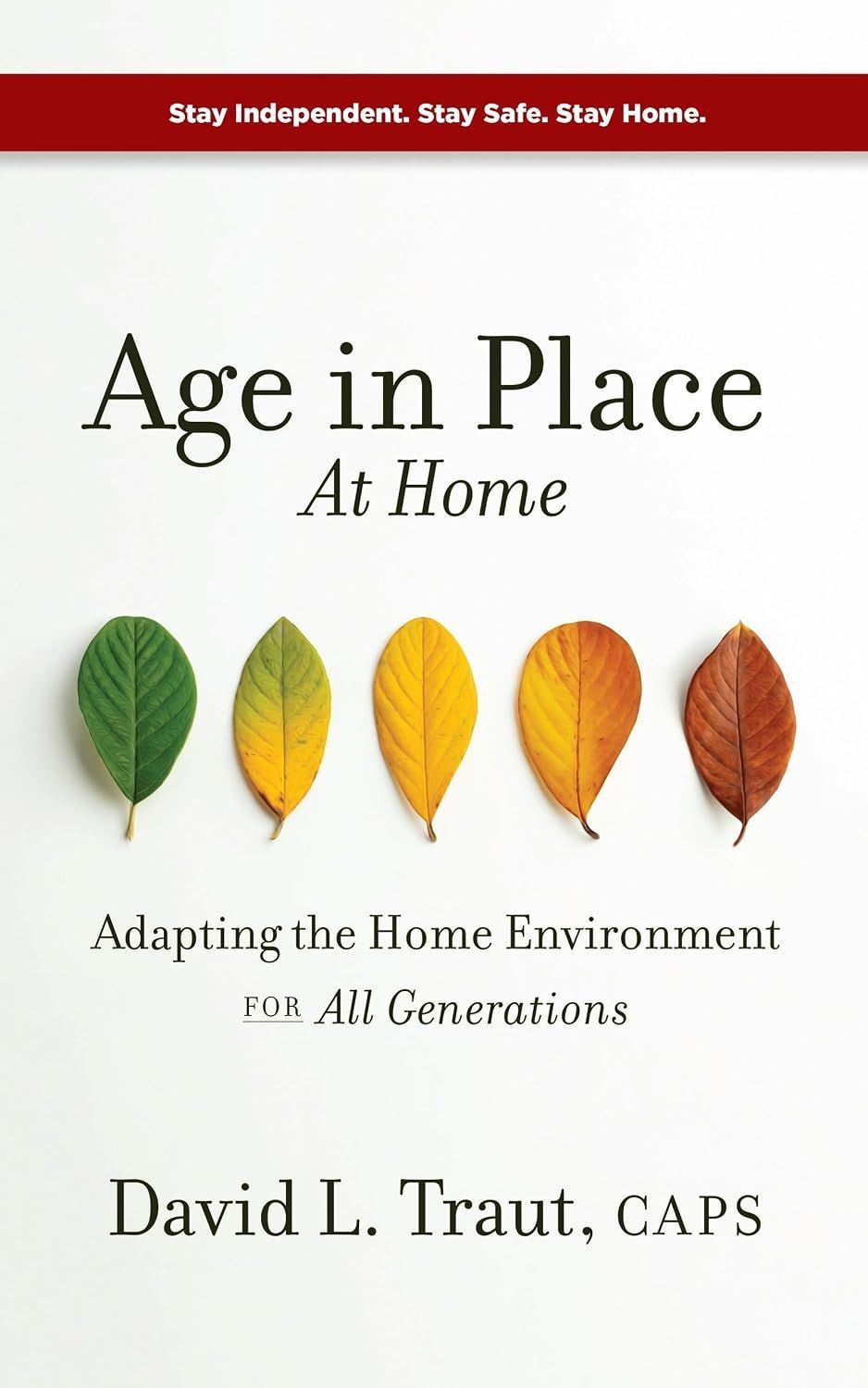
David Traut's award-winning book, Age in Place at Home, available on Amazon, distils five decades of design-build practice and a graduate-level neurophysiology background into a practical guide for families planning safer, more independent living spaces for aging in place.
Our Story in AUSTIN, TX
AgE in Place at Home
Written by T-Square Company founder David Traut, CAPS, Age in Place at Home is a practical guide for homeowners, adult children, and professionals who want to understand what genuinely makes a home work for changing ability. It reflects the same Ability-First philosophy David applies on every project: that this work is about ability, not age, and that a well-designed home should never announce a disability.
The book covers the principles of Universal Design as developed by Architect Ron Mace, the practical differences between commercial ADA standards and residential accessibility, and how to plan modifications proactively rather than in the middle of a crisis. It has earned award-winning recognition and is used as a reference by homeowners and professionals alike.
David is currently contributing a chapter to a new professional book being published by the National Aging in Place Council focused on high-tech advances in the field of Aging in Place, including AI-assisted gait detection and telehealth suite integration — an extension of the same educational commitment that produced the first book.
Inside the Guide
What the Book Helps Families Work Through
Universal Design Principles
Why a home built for everyone — a child, a grandparent, a seven-foot basketball player — is simply better design, not a disability feature.
Planning Before the Crisis
How to evaluate a home while there is still time to choose, rather than making decisions in the days after a fall or a diagnosis.
Ability, Not Age
The reasoning behind designing for reach range, transfer ability and turning radius rather than a generic code minimum offered by the ADA Rules.