
ADU Construction Austin: Accessible, Independent Living on Your Property
If you need a dedicated space for a family member with mobility challenges, an aging parent, or a caregiver, ADU construction Austin accessible design is one of the most practical investments you can make. T-Square Company has been building purposeful residential spaces in Austin and Central Texas since 1974, and our accessory dwelling unit construction goes far beyond adding square footage. Every freestanding structure we build is grounded in neurophysiology-informed design, ensuring the space works with the occupant's physical needs from day one and adapts as those needs change over time.
What We Build
Freestanding Accessible ADUs Built for Real Life
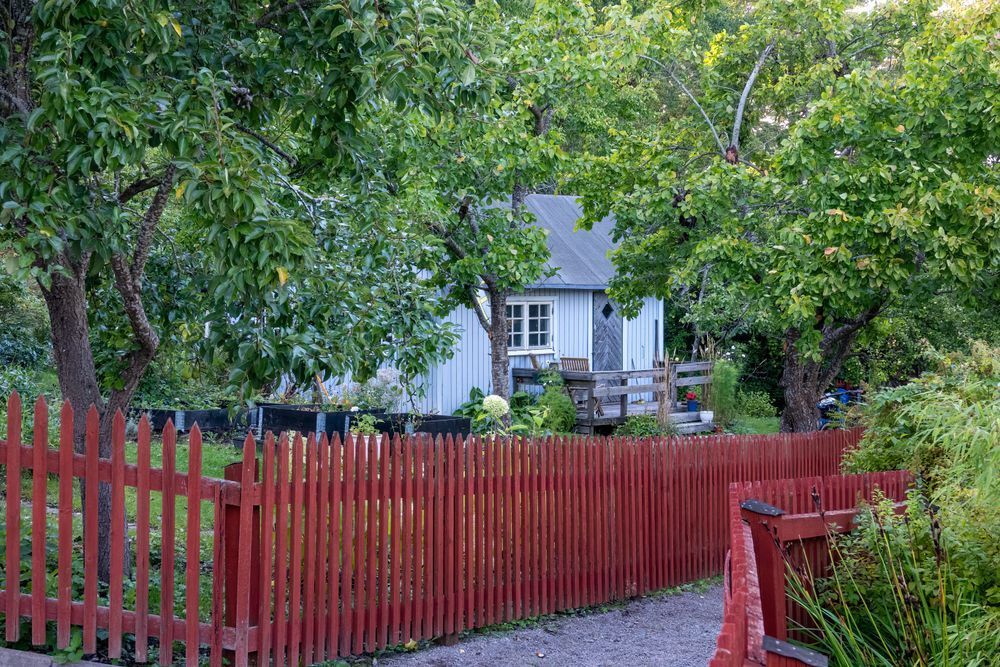
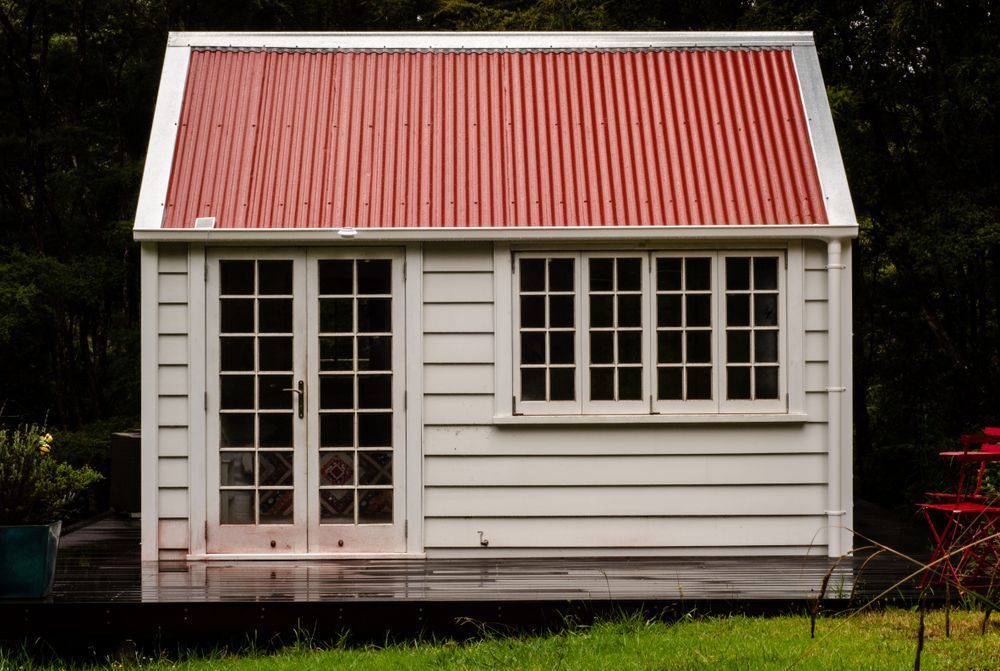
An accessory dwelling unit is a fully independent, freestanding structure built on your existing property. Unlike an attached addition, an ADU gives the occupant a completely private living environment while keeping them close to family. For multigenerational households in Austin, Dripping Springs, Wimberley, and the surrounding Central Texas area, this separation of space often makes the difference between a workable long-term plan and a daily logistical challenge. T-Square's accessible ADU construction integrates the full range of ability-based design features from the ground up. That means zero-threshold entries, widened doorways up to three feet, roll-in or barrier-free showers, reachable counters and storage, open floor clearances for wheelchair turning radius, and smart home controls for occupants with limited hand function. Because our owner David Traut holds a graduate degree in neurophysiology and has spent decades researching conditions like ALS, MS, and Muscular Dystrophy, every layout decision is informed by how the body actually moves, reaches, and transfers, not just by what looks reasonable on a blueprint.

Our Approach
Aging in Place ADU Design Starts with Your Story
Before any plans are drawn, David Traut takes the time to understand the occupant's current abilities, their diagnosis or mobility trajectory, and what daily independence looks like for them specifically. This story-first process is what separates aging in place ADU design at T-Square from standard accessory dwelling unit construction. A contractor can follow a checklist. A neurophysiology-trained specialist designs for the reach range, transfer ability, and turning radius that a particular person will need, including the needs they may have six months or two years from now. For clients outside the immediate Austin area, T-Square offers virtual camera-based assessments. You provide the eyes on the ground; David provides the expert analysis. This process has served families as far away as New York, ensuring that the right design decisions are made before a single foundation is poured. Once the assessment is complete, T-Square manages the entire project as a design-build firm, coordinating a stable roster of subcontractors, many of whom have worked with the company for 15 to 20 years, so the quality and sensitivity of the work remain consistent from start to finish.
Universal Design in Every Detail
Why Universal Design ADU Construction Matters
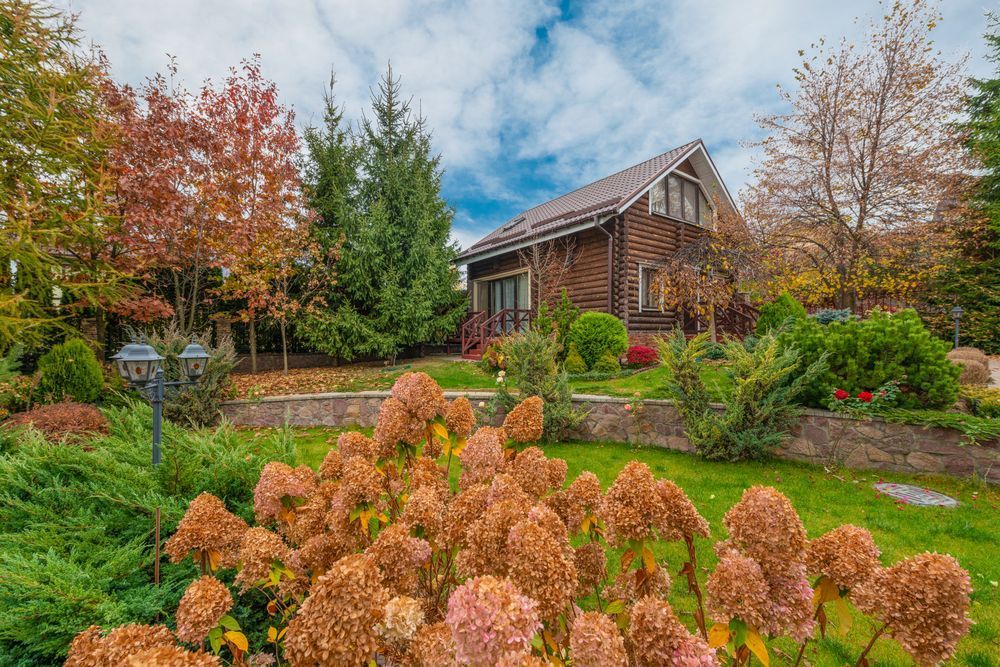
Universal design ADU construction means building a space that works for everyone, regardless of age, size, or physical condition, without the space looking clinical or institutional. This philosophy, rooted in the work of Ron Mace, is at the heart of every T-Square project. A well-designed accessible ADU should feel like a well-designed home, not a medical facility. Grab bars that blend with the decor, counters at the right height for both seated and standing users, and smart lighting controlled by a smartphone are all features that serve anyone who lives in or visits the space. This matters especially for families who want a caregiver suite or a guest cottage that can serve multiple purposes over time. The structure you build today for a parent with MS can serve a grandchild, a visiting family member, or a future tenant without any modification. That kind of long-term flexibility is built into the design from the start, and it is one of the reasons T-Square clients across Austin, Driftwood, and the Hill Country view their ADU as a permanent asset rather than a temporary fix. Projects typically range from $50,000 to $125,000, and T-Square advises utilizing home equity to fund the investment.
Credentials and Track Record
50 Years of Design-Build Expertise Behind Every ADU
T-Square Company was established in 1974 and has spent five decades refining its approach to residential accessibility in Central Texas. David Traut is a Certified Aging-in-Place Specialist (CAPS), a founding member of the National Aging in Place Council (NAIPC) and its Greater Austin chapter, and the award-winning author of Aging in Place at Home. He is currently contributing a chapter to a new professional book focused on high-tech advances in the field, including AI-assisted gait detection and telehealth integration. When you hire T-Square for accessible ADU construction, you are not hiring a general contractor who has added accessibility to a service list. You are working with a recognized authority in ability-based residential design who has dedicated his career to helping people stay in the homes and communities they love.
Your Review Matters
Tell Us About Your Experience
If you've worked with our team, we'd appreciate hearing about your experience. Your review helps others feel confident choosing our company and lets us know how we're doing.
Common Questions
ADU Construction: What You Need to Know
What is the difference between an ADU and a home addition for accessible living?
An ADU is a fully freestanding structure on your property, separate from the main house. A home addition is attached to the existing structure, often built under the current roofline by reclaiming space from a porch or closet. For accessible living, an ADU provides complete privacy and independence for the occupant, which is often important for a parent or family member who wants their own space while staying close to loved ones. An addition can be more cost-effective in some cases. T-Square evaluates both paths during the initial assessment to determine which fits your property, budget, and the occupant's specific mobility needs.How does neurophysiology training change the way an ADU is designed?
A standard contractor follows general accessibility guidelines, such as basic ADA dimensions. David Traut applies graduate-level neurophysiology to go further, designing each space around the specific reach range, wheelchair turning radius, and transfer ability of the person who will live there. For someone with ALS or MS, the progression of the condition is factored into the layout so the space remains functional as mobility changes. This means fewer costly modifications down the road and a home that supports the occupant's physical independence more precisely than a by-the-book accessible build would.Can T-Square complete an ADU assessment if I am not located near Austin?
Yes. T-Square offers virtual camera-based assessments for clients outside the immediate Central Texas service area. You use your phone or tablet to walk through the property, and David Traut provides professional design and planning guidance remotely. This process has been used with families in other states, allowing design-build planning to begin accurately without an in-person visit. It ensures the right accessibility features are built into the ADU from the start rather than added as afterthoughts.What accessibility features are typically included in a T-Square ADU?
T-Square builds accessible ADUs with features selected for the specific occupant, but common elements include zero-threshold entries, doorways widened to up to three feet, roll-in or barrier-free showers, open floor clearances for wheelchair maneuverability, counters and storage at reachable heights, and smart home technology such as smartphone-controlled lighting and smart door openers. For occupants with limited hand function, these tech integrations are especially important. The goal is a space that supports full daily independence, from the front door through the kitchen and bathroom, without looking institutional.How much does accessible ADU construction typically cost with T-Square?
T-Square projects generally range from $50,000 to $125,000. The firm advises clients to use home equity to fund the work. This investment reflects the specialized nature of the design, the neurophysiology-informed planning process, and the quality of materials and workmanship selected for long-term durability. A well-built accessible ADU can support independent living for decades, which compares favorably to the ongoing expense of assisted living or repeated emergency modifications.Is an accessible ADU only useful for elderly family members?
No. T-Square's ability-first philosophy means ADU design is based on the occupant's physical needs, not their age. Clients include individuals with ALS, MS, Muscular Dystrophy, veterans with mobility injuries, and families with children who have disabilities. A well-designed universal design ADU also works for any able-bodied person who uses it, so the structure remains a valuable and fully functional space regardless of who occupies it at any given time. Thinking of accessibility as an age issue is a common misconception that T-Square actively works to correct.Who manages the construction process on a T-Square ADU project?
David Traut serves as the superintendent for every project. He coordinates a stable network of subcontractors, many of whom have worked with T-Square for 15 to 20 years. This long-term working relationship means the tradespeople on your project understand the sensitivity and precision required for accessibility construction. T-Square operates as a full design-build firm, keeping planning, design, and construction under one roof. This reduces miscommunication and keeps the project aligned with the original ability-based design intent throughout.