
Full Home Accessibility Modifications in Austin, TX
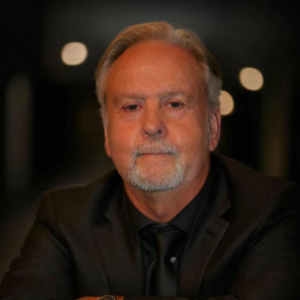
When mobility changes, the entire home needs to respond, not just one room. T-Square Company specializes in full home accessibility modifications in Austin and across Central Texas, addressing every space from the front door to the back. Led by David Traut, a Certified Aging-in-Place Specialist with a graduate degree in neurophysiology, our team designs complete accessibility solutions that are grounded in science, built for real life, and finished to look like any high-end remodel. Whether you are planning ahead or responding to an urgent change in ability, Universal Design is here to help you stay in the home you love.
Our Approach
Whole Home Accessibility Design Built on Neurophysiology
Most contractors approach accessibility as a checklist. T-Square approaches it as a science. David Traut's background in neurophysiology means that every modification, whether it is a zero-threshold entry, a widened doorway, or a roll-in shower, is designed around how your body actually moves and what it will need as conditions progress. This is what separates whole home accessibility design from a Using Universal Design, we account for reach range, wheelchair turning radius, transfer ability, and the specific neurological demands of conditions like ALS, MS, and Muscular Dystrophy. The result is a home that functions as a genuine support system, not a collection of afterthought add-ons. We have been doing this work in Austin and the surrounding communities since 1974, and that depth of experience shapes every project we take on.
What We Cover
Comprehensive Home Modifications From Entry to Every Room
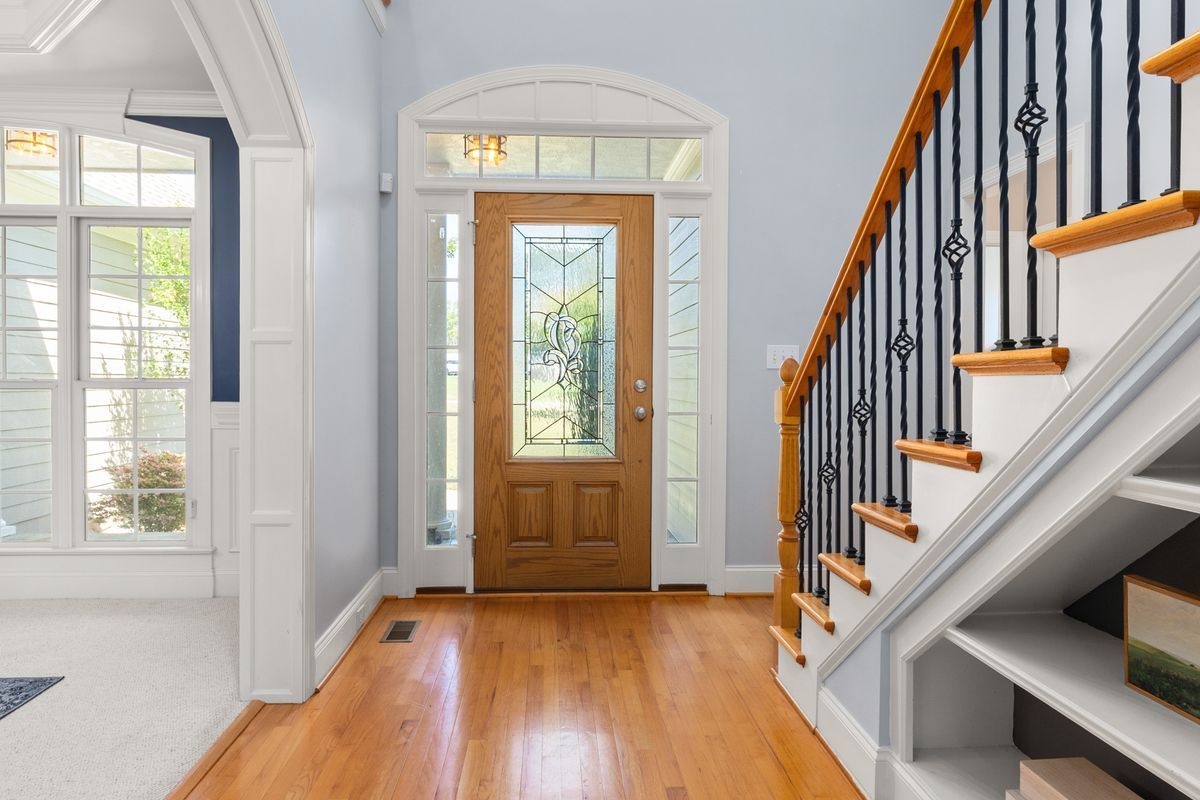
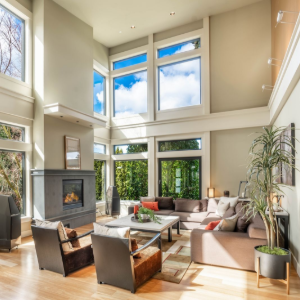
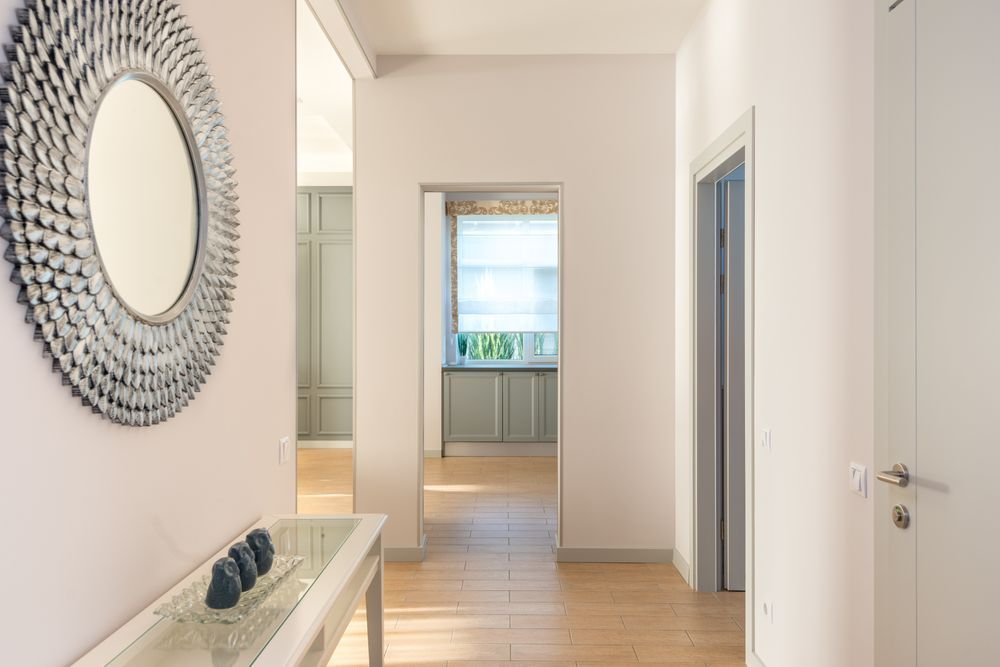
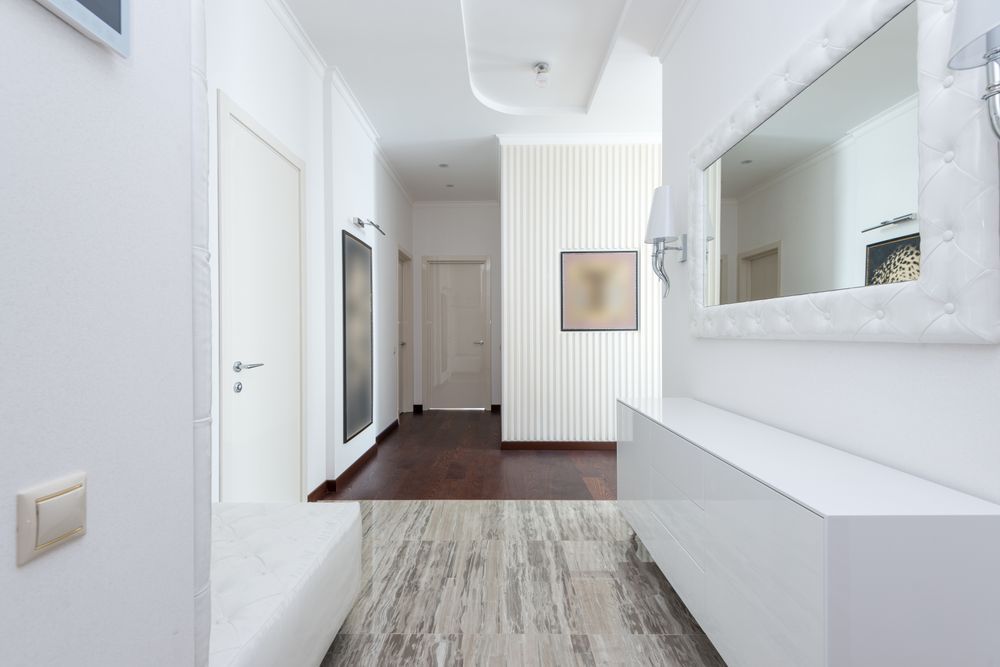
True comprehensive home modifications go well beyond a single bathroom upgrade. T-Square evaluates and addresses the full path of daily living. At the entry, we install zero-threshold transitions and smart door openers so that getting into the home is never a barrier. Through hallways and living spaces, we widen doorways to up to three feet and reconfigure floor plans to ensure clear, navigable pathways for wheelchair users and anyone with limited mobility. In the kitchen, we lower counters, open floor clearances, and design reachable storage so that cooking and daily routines remain independent activities. In the bathroom, we build barrier-free and roll-in showers, optimize grab bar placement based on specific reach ranges, and create transfer-friendly layouts. We also integrate smart home technology including smartphone-controlled lighting, leak detectors, and AI-assisted monitoring systems that keep families connected to a loved one's safety without making the home feel institutional. Every element is part of a single, coordinated plan.
Who We Serve
Complete Accessibility Solutions for Every Ability and Every Stage of Life
Aging-in-place is a common term, but it is something of a misnomer. As David Traut puts it, this work has nothing to do with age and everything to do with ability. Our clients range from adults over 55 who are planning ahead, to individuals living with ALS, MS, or Muscular Dystrophy who need precise, neurologically informed design right now. We work with veterans requiring mobility-specific home infrastructure, families with children who have disabilities, and adult children managing modifications for aging parents. Our story-first process means that before we design anything, we listen. We learn about your daily barriers, your diagnosis, and your goals. That conversation shapes everything that follows. For clients outside the immediate Austin area, including Dripping Springs, Driftwood, and Wimberley, we also offer virtual camera-based assessments so that geography is never a reason to go without the right support.


Why T-Square
50 Years of Trust Behind Every Full Home ADA Compliance Project
T-Square Company has been serving Austin-area homeowners since 1974. That is more than five decades of design-build experience, all focused on helping people maintain their independence at home. David Traut is a founding member of the National Aging in Place Council and its Greater Austin chapter, a CAPS-certified specialist, and the author of Age in Place at Home. He is currently co-authoring a chapter on high-tech advances in the field for a new professional publication. Our subcontractor relationships average 15 to 20 years, meaning the team that walks into your home has worked together long enough to handle even the most complex accessibility projects with care and precision. Projects typically range from $50,000 to $125,000, and we advise clients to use home equity as the primary funding source. This is an investment in long-term independence, and we treat it with the seriousness it deserves.
Your Review Matters
Tell Us About Your Experience
If you've worked with our team, we'd appreciate hearing about your experience. Your review helps others feel confident choosing our company and lets us know how we're doing.
Common Questions
What You Should Know Before Starting a Full Home Accessibility Project
What does a full home accessibility modification project typically include?
A full home project addresses every part known as the accessible route of the daily path through a residence, not just one room. This typically includes zero-threshold entries, doorways widened to up to three feet, accessible bathroom layouts with roll-in or barrier-free showers, kitchen modifications like lowered counters and open floor clearances, and smart home technology such as smartphone-controlled lighting and leak detectors. T-Square is a master builder who holds designs each element as part of a single coordinated plan, based on the specific mobility needs and ability trajectory of the person using the home.
How is T-Square's approach different from hiring a standard remodeling contractor?
Most contractors follow basic ADA guidelines and apply general construction knowledge. T-Square's owner, David Traut, holds a graduate degree in neurophysiology and has conducted research in Muscular Dystrophy. This means modifications are designed around the biological reality of how a person moves, including specific reach ranges, wheelchair turning radii, and transfer requirements for conditions like ALS or MS. That level of precision is not something a generalist contractor can replicate, and it is the core reason clients choose T-Square for complex accessibility work.Will whole home accessibility modifications make my house look clinical or institutional?
This is one of the most common concerns, and it is one T-Square takes seriously. The firm works within the Universal Design philosophy, originally developed by Ron Mace, which holds that a well-designed home should work for everyone regardless of age, size, or health, without looking like a medical facility. The goal is modifications that are invisible as accessibility features and simply look like a well-built, high-end home. Clients should not have to choose between safety and aesthetics.What is the typical cost range for a comprehensive home modification project?
T-Square's projects typically range from $50,000 to $125,000, depending on the scope and complexity of the modifications required. The firm advises clients to use home equity as the primary funding source. This investment is framed as a long-term alternative to assisted living or recurring care costs, which tend to be significantly higher over time. During the initial consultation, David Traut evaluates the client's needs before any project scope or cost is confirmed.Can T-Square complete an assessment if I live outside of Austin?
Yes. For clients beyond T-Square's immediate service area, including those in other states, David Traut is a CAPS Certified Builder who offers virtual camera-based assessments. The client provides a live view of the home via camera, and David uses that information to evaluate the space and develop design recommendations. This approach extends the firm's expertise to clients who may not be local but still need a precise, neurophysiology-informed assessment before beginning any construction work.
How does T-Square manage the construction process once a plan is in place?
T-Square operates as a design-build firm, meaning planning, design, and construction are managed under one roof. David Traut serves as the superintendent throughout the project and works with a stable roster of subcontractors, many of whom have been part of the team for 15 to 20 years. This continuity matters in accessibility work, where the tolerance for error is very low. An incorrect threshold height or a misplaced grab bar can create a safety risk rather than solve one, so experienced, consistent site management is essential.Does T-Square work with clients who have specific diagnoses like ALS or MS?
Yes, and this is one of the firm's core strengths. David Traut's neurophysiology background allows T-Square to design modifications that account for the specific and often progressive nature of conditions like ALS, MS, and Muscular Dystrophy. Rather than designing for a current snapshot of someone's ability, the firm considers how needs are likely to change and builds smart thermostats, modifications that will continue to serve the client as their condition evolves. This forward-looking approach is part of what the firm calls ability-based design.
What smart home technology can be added as part of a full home accessibility project?
T-Square integrates a range of high-tech systems into its accessibility projects. These include smartphone-controlled lighting, smart door openers, leak detector systems, and AI-assisted monitoring tools such as gait detection that can identify fall risks or changes in walking patterns. For clients interested in telehealth, the firm can also design flexible spaces that function as treatment rooms or telehealth suites, supporting remote medical consultations like EKG reporting. Integrations are chosen based on the client's specific health needs and daily routine.