
About T-Square Company: Austin's Accessibility Design-Build Firm
T-Square Company is an Austin-based accessibility design-build firm with more than 50 years of residential construction experience. Founded in 1974, we have spent five decades helping homeowners across Austin, Dripping Springs, Driftwood, Wimberley, and Central Texas build homes that support real independence. What sets us apart is not just our history. It is the scientific foundation behind every project.
Our Story
50 Years of Residential Construction in Austin, Built Around Ability
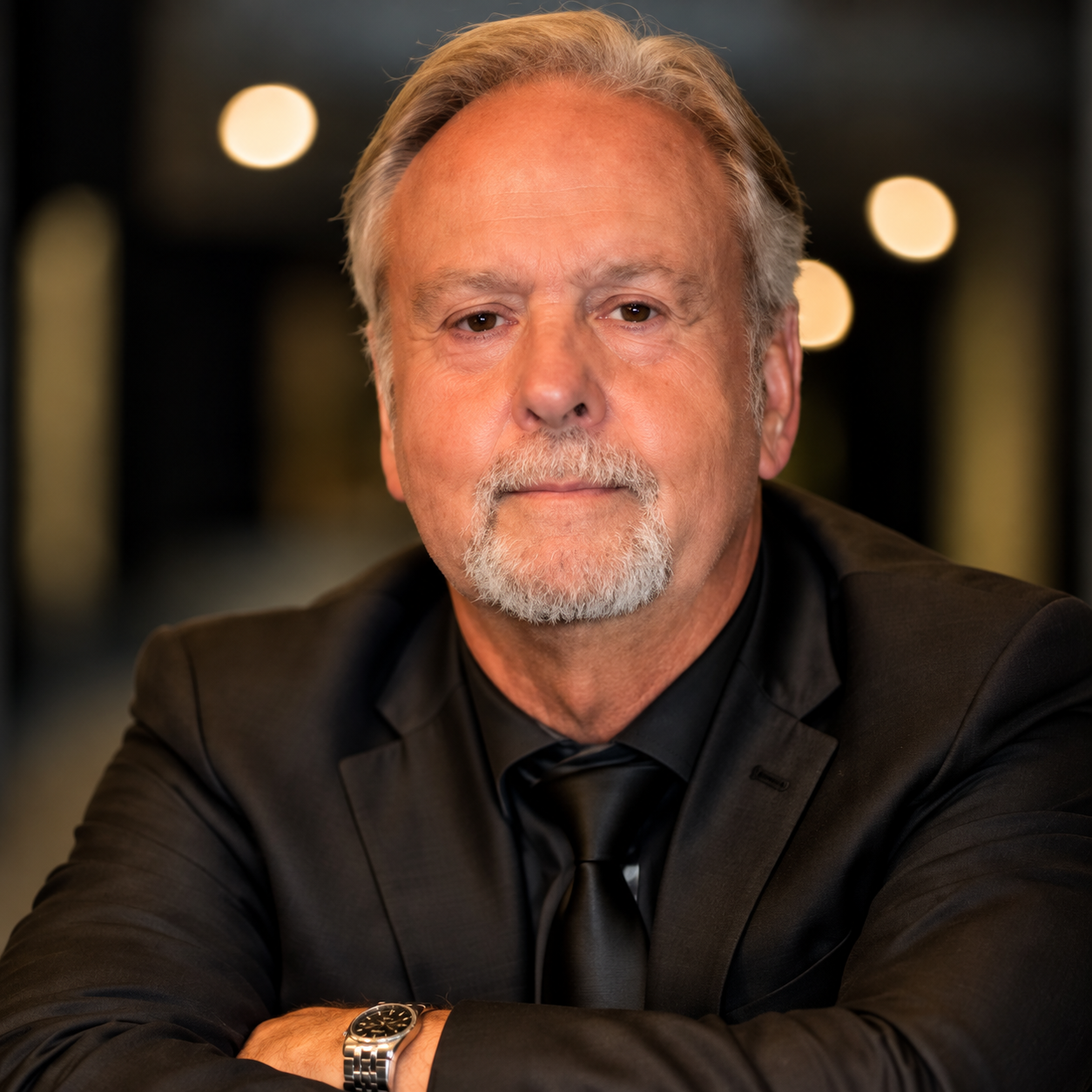
T-Square Company started in 1974 with a broad commercial and residential background that included shopping centers and hotels. As the Americans with Disabilities Act emerged in the 1980s, our leadership recognized something important: commercial compliance codes were never designed for the nuances of private residential life. That recognition changed everything. We shifted our focus entirely to Aging-in-Place and Universal Design, guided by the philosophy of Ron Mace, the father of Universal Design, who believed that homes should work for every person regardless of age, size, or physical condition. Today, T-Square operates at the intersection of medical science and construction. David Traut is a Certified Aging-in-Place Specialist (CAPS), a founding member of the National Aging in Place Council (NAIPC), and the author of Age in Place at Home: Adapting the Home Environment for All Generations. He is currently contributing a chapter to a new professional book on high-tech advances in the field. His work is not standard contracting. It is a calling rooted in a genuine desire to improve daily life for the people who trust us with their homes.
Our Philosophy
Ability-First Design, Not Age-Focused Construction
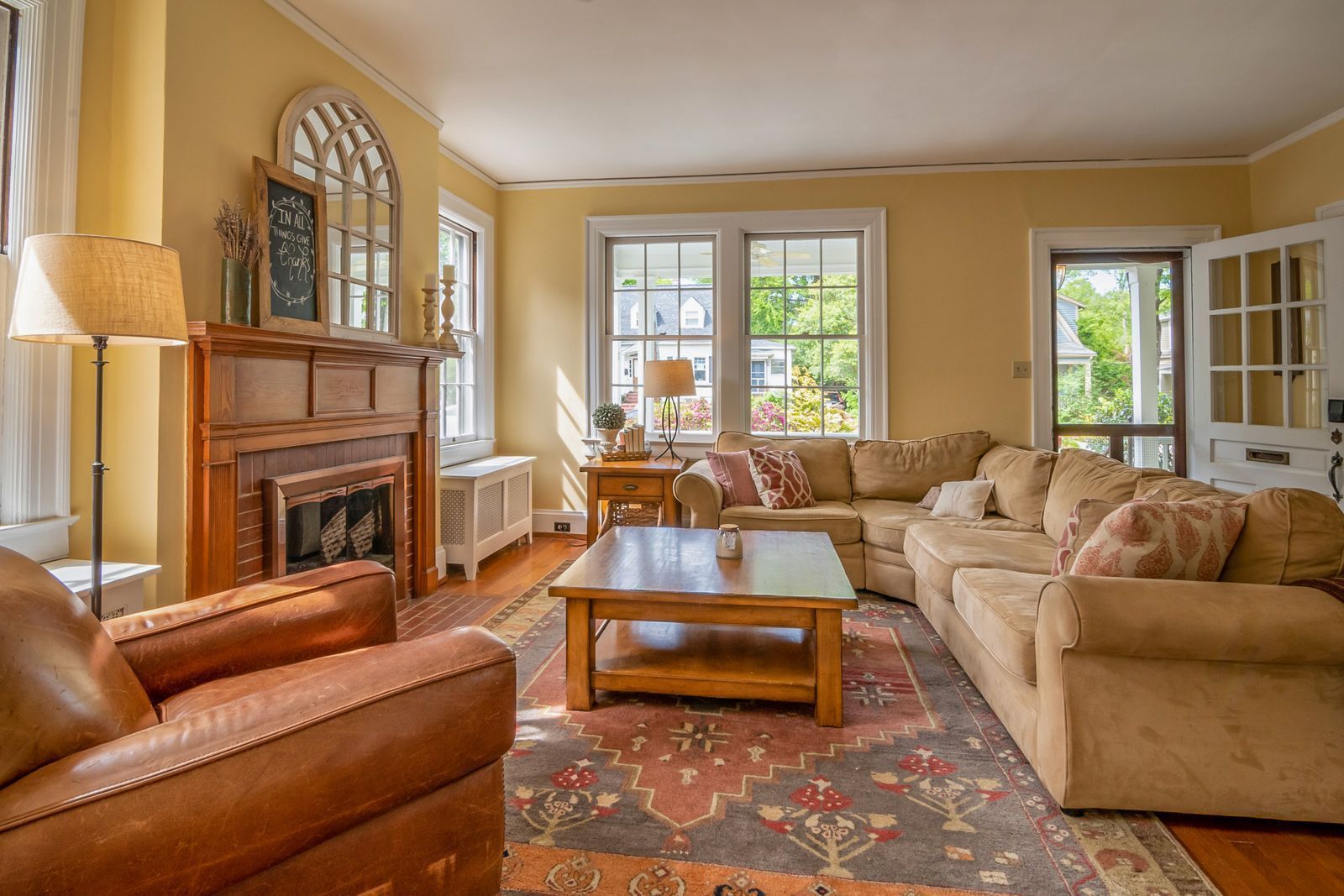
One of the most common misconceptions in our field is that Aging-in-Place is only relevant for older adults. At T-Square, we believe that framing gets it wrong. This work is about ability, not age. Our clients include adults planning ahead for long-term livability, adult children managing urgent modifications for a parent with ALS or MS, veterans requiring mobility-specific infrastructure, and families with children who need growth-adaptive home design. Every project begins with a story-first approach. Before we ever discuss construction, David Traut listens to your mobility journey. He evaluates your current and future ability trajectory using neurophysiology-informed logic, considering specific factors like reach range, transfer ability, and wheelchair turning radius. That process applies whether we are designing a barrier-free shower, a wheelchair-accessible kitchen, a zero-threshold entry, or a full accessory dwelling unit for multigenerational living. We also believe that accessible design should never look clinical. Universal Design, done well, is invisible. It is attractive, high-functioning, and built for everyone. Our clients stay in the homes they love because we build modifications that feel like they were always meant to be there.
Common Questions
What People Ask About T-Square Company
What makes T-Square Company different from a standard remodeling contractor?
The core difference is the scientific foundation behind every design decision. Owner David Traut holds a graduate degree in neurophysiology and has conducted research in Muscular Dystrophy. That background means modifications are not based on general construction intuition. They are based on how the human body actually moves, reaches, and transfers. While a general contractor might follow basic ADA guidelines, T-Square designs each element, including grab bar placement, shower layouts, and counter heights, around the specific biological needs of the individual client. This is reinforced by 50 years of residential construction experience in Austin and a CAPS certification.Is accessibility remodeling only relevant for older adults?
No, and this is a distinction T-Square actively works to correct. The work is fundamentally about ability, not age. T-Square serves a wide range of clients, including individuals with ALS, MS, or Muscular Dystrophy, veterans with mobility needs, families with children who have disabilities, and adults of any age who want to future-proof their homes. Universal Design, the philosophy behind T-Square's work, is built on the idea that a well-designed home should function for everyone, from a young child to a seven-foot basketball player, regardless of physical condition.What does the process look like from the first call to project completion?
T-Square uses a story-first approach. Before any design work begins, David Traut listens to the client's mobility history and goals. For local clients in Austin and surrounding areas like Dripping Springs and Wimberley, this typically involves an in-home evaluation. For clients outside the immediate service area, a virtual camera-based assessment allows David to gather the information he needs remotely. Modifications are then designed around the client's current and anticipated future ability, covering factors like reach range, wheelchair turning radius, and transfer needs. T-Square manages the full design/build construction process with a stable team of subcontractors who have worked with the firm for 15 to 20 years.
What is the typical investment range for an accessibility project?
Projects at T-Square generally range from $50,000 to $125,000. This reflects the high degree of customization, the neurophysiology-informed design process, and the quality of materials selected for long-term durability. T-Square does not offer financing and recommends that clients utilize available home equity to fund projects. Clients are encouraged to view the one-time cost relative to the ongoing monthly expense of assisted living or institutional care, which these modifications are designed to help avoid.
Can accessibility modifications be designed to look like standard home features?
Yes, and this is one of the central commitments of T-Square's work. Many homeowners have resisted accessibility modifications because they did not want their home to look clinical or institutional. T-Square's approach is grounded in Universal Design, a philosophy developed by Ron Mace that prioritizes aesthetics alongside function. The goal is for every modification, whether a barrier-free shower, a widened doorway, or a smart home integration, to look like it was always part of the home. When done well, accessible design is essentially invisible and serves everyone in the household without signaling disability or compromise.What credentials and professional affiliations does T-Square hold?
David Traut is a Certified Aging-in-Place Specialist (CAPS) and a founding member of both the National Aging in Place Council (NAIPC) and its Greater Austin chapter. He is the author of Age in Place at Home: Adapting the Home Environment for All Generations and is currently contributing a chapter to a new professional book on high-tech advances in aging-in-place design, including AI-assisted monitoring. The firm has also received BBB accreditation and Best of Houzz recognition in 2018 and 2019. These credentials reflect a level of authority in residential accessibility that extends well beyond standard contractor licensing.
What kinds of technology can be built into an accessible home?
T-Square incorporates smart home technologies designed to support independence for people with limited hand function or complex mobility needs. These include smartphone-controlled lighting, smart door openers, smart thermostats, and leak detection systems. The firm also works within a broader vision of the home as a treatment room, designing spaces that can support telehealth consultations such as remote EKG reporting. Emerging integrations include AI-assisted gait detection, which can identify changes in walking patterns that may signal a fall risk. These technologies are selected as part of a cohesive, neurophysiology-informed design plan, not as isolated add-ons.
Does T-Square work with clients who live outside of Austin?
Yes. While T-Square primarily serves Austin and surrounding Central Texas communities including Dripping Springs, Driftwood, and Wimberley, the firm also offers virtual assessments for clients in other locations. During a virtual assessment, the client uses a camera to show David Traut the relevant areas of their home, allowing him to evaluate the space and provide design-build guidance without being physically present. Clients in other states have used this process to receive expert input on modifications that local contractors may not have the specialized background to advise on.