
Aging in Place Home Remodeling Austin
Your home should work for you at every stage of life. T-Square Company has spent over 50 years helping Austin-area homeowners stay safe, independent, and comfortable through aging in place home remodeling that goes far beyond standard contractor work. Led by David Traut, a Certified Aging-in-Place Specialist with a graduate degree in neurophysiology, our team designs modifications based on how your body actually moves using Universal Design, not just on building codes. Whether you are planning ahead or facing an immediate need, we are ready to help you stay in the home you love.
Our Approach
Ability-First Design, Not Age-First Assumptions
Most people think aging in place design solutions are only for the elderly. At T-Square, we see it differently. The real question is never how old you are; it is what your body needs to function safely and independently at home. This ability-first philosophy shapes every project we take on, from fall prevention home modifications in the bathroom to full-home accessibility plans for clients managing ALS, MS, or recovering from injury. David Traut's background in neurophysiology means your modifications are designed around your specific reach range, transfer ability, and mobility trajectory, not a generic checklist. We serve homeowners across Austin, Dripping Springs, Driftwood, Wimberley, and surrounding Central Texas communities.

What We Do
Senior-Friendly Home Modifications That Look and Feel Like Home
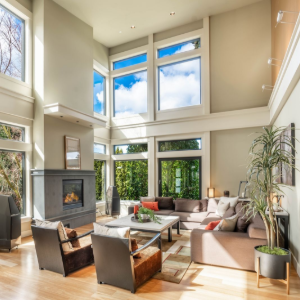
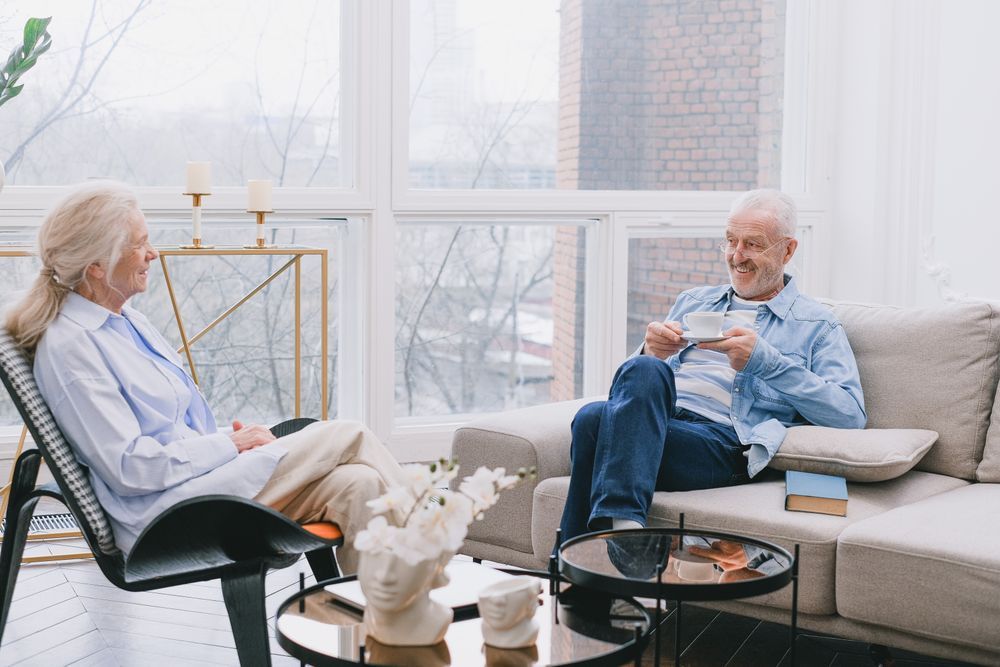
One of the biggest concerns we hear from clients is that they do not want their home to look institutional. That concern is valid, and it is exactly why we build every project around Universal Design principles, a philosophy rooted in the work of Ron Mace that holds that a well-designed home should work for everyone regardless of age, size, or health status. Our senior-friendly home modifications include barrier-free and roll-in showers, roll-under cabinetry, zero-threshold entries, widened doorways up to three feet, lowered counters and open floor clearance for kitchen independence, smart door openers, smartphone-controlled lighting, smart thermostats, and leak detection systems. Each modification is chosen and placed based on your neuro-physical needs, so nothing looks out of place and everything works exactly as it should.
The Process
A Story-First Approach to Accessibility for Seniors
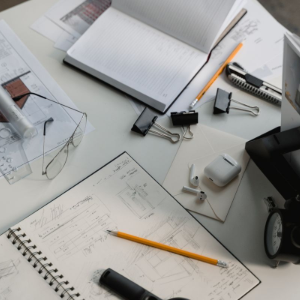
Before we pick up a single tool, David Traut listens. Our process begins with what we call a Story-First inquiry, where you share your mobility goals, daily challenges, and long-term plans. From there, we conduct a thorough assessment, either in your home or virtually via camera for clients outside our immediate service area. This approach has allowed us to help clients as far away as New York, guiding them through design decisions remotely with the same precision we apply locally. Once the assessment is complete, we develop a neuro-physical design plan and manage construction through our trusted network of subcontractors, many of whom have worked alongside David for 15 to 20 years. Projects typically range from $50,000 to $125,000, and we advise clients to plan using available home equity. Our goal is a finished home that supports your independence for decades to come.
Why T-Square
50 Years of Trusted Craftsmanship in Central Texas
T-Square Company was founded in Austin in 1974. Since then, we have built a reputation on trust, quality craftsmanship, and a genuine commitment to improving daily life for our clients. David Traut is a founding member of the National Aging in Place Council and its Greater Austin chapter, a CAPS-certified specialist, and the author of Age in Place at Home: Adapting the Home Environment for All Generations. He is currently contributing a chapter to a new professional book on high-tech advances in the field, including AI-assisted gait detection and telehealth suite design. When you work with T-Square, you are not hiring a general remodeling contractor. You are partnering with one of the most credentialed accessibility specialists in Central Texas, someone who treats every project as a direct contribution to your health and independence.
Your Review Matters
Tell Us About Your Experience
If you've worked with our team, we'd appreciate hearing about your experience. Your review helps others feel confident choosing our company and lets us know how we're doing.
Common Questions
Answers About Aging in Place Home Remodeling
Is aging in place remodeling only for older adults?
Not at all. T-Square uses an ability-first approach because mobility challenges affect people of all ages. Clients include individuals managing ALS, MS, or Muscular Dystrophy, veterans with mobility limitations, children with disabilities, and adults recovering from accidents, as well as homeowners 55 and older planning ahead. The common thread is not age but the need for a home that supports safe, independent daily living. If your current home creates barriers to bathing, cooking, or moving freely, a modification plan may be the right next step regardless of how old you are.How does T-Square's process differ from hiring a standard remodeling contractor?
Most contractors follow basic ADA guidelines, which are written for commercial and public spaces, not private homes. T-Square owner David Traut holds a graduate degree in neurophysiology and has conducted research in Muscular Dystrophy. That scientific background allows him to design modifications based on each client's specific biological needs, including precise reach ranges, wheelchair turning radii, and transfer layouts. Every project starts with a Story-First assessment of the client's actual mobility and how it may change over time. This level of customization is not something a general remodeling firm can replicate.What kinds of modifications are typically included in an aging in place project?
Projects vary widely depending on each client's needs, but common modifications include barrier-free and roll-in showers, zero-threshold entries, widened doorways up to three feet, grab bar placement optimized for individual reach range, lowered counters and open floor clearance for kitchen independence, and smart home integrations such as smartphone-controlled lighting and smart door openers. For clients with more advanced needs, T-Square also designs full-home accessibility plans and can incorporate AI-assisted monitoring and telehealth suite spaces. Every element is chosen based on current and anticipated future mobility.What does a project typically cost, and how do clients usually pay for it?
T-Square projects generally range from $50,000 to $125,000. This reflects the high level of customization, the neurophysiology-informed design process, and the quality of materials selected for long-term durability. The firm does not offer financing directly and advises clients to plan using available home equity. While this investment is significant, it is often far less than the ongoing cost of assisted living or care facilities. T-Square frames each project as a long-term investment in independence, dignity, and the ability to remain in the home you already love.Can T-Square work with clients who live outside the Austin area?
Yes. For clients outside the immediate Austin service area, T-Square offers virtual camera-based assessments. David Traut guides you through the process remotely, using your camera to evaluate the space and identify the modifications that will have the most impact. This approach has been used successfully with clients in other states, including New York. The virtual assessment delivers the same expertise and neuro-physical design thinking as an in-home visit, making it a practical option for families who want professional guidance regardless of their location.Will accessibility modifications make my home look clinical or institutional?
This is one of the most common concerns T-Square hears, and it is one the firm takes seriously. All work is grounded in Universal Design, a philosophy developed by Ron Mace that holds that a well-built home should function for everyone without looking like it was designed for a specific disability. T-Square prioritizes modifications that are attractive, integrated, and indistinguishable from high-end residential design. The goal is a home that supports your independence while still feeling like your home, not a hospital room or a facility.How does T-Square address fall prevention as part of a remodeling plan?
Fall prevention is a core part of most aging in place projects. Bathrooms are among the highest-risk areas in any home, and T-Square addresses this through barrier-free shower designs, grab bar placement based on individual reach and transfer ability, zero-threshold entries that eliminate trip hazards, and open floor clearance for safe movement with or without mobility aids. Smart home integrations, including AI-assisted gait detection that can identify slow-walking patterns or fall risks, are also part of T-Square's high-tech approach. Each solution is designed to reduce risk while maintaining the comfort and aesthetics of a well-designed home.Does T-Square manage the entire project from design through construction?
Yes. T-Square operates as a full design-build firm, managing the project from the initial Story-First assessment through final construction. David Traut serves as superintendent throughout, coordinating a stable roster of subcontractors, many of whom have worked with the firm for 15 to 20 years. This continuity matters in accessibility projects, where attention to detail is critical. Keeping design and construction under one roof means the neuro-physical intent behind each modification is preserved all the way through to completion, without anything being lost between separate firms.