
Accessible Bathroom Remodeling in Austin, TX
When a bathroom becomes a barrier, daily life changes in ways that go far beyond inconvenience. T-Square Company specializes in accessible bathroom remodeling in Austin, applying over 50 years of design-build experience and a graduate-level background in neurophysiology to create bathrooms that work with your body, not against it.
Our Approach
Bathroom Design Built Around Your Ability, Not a Generic Code
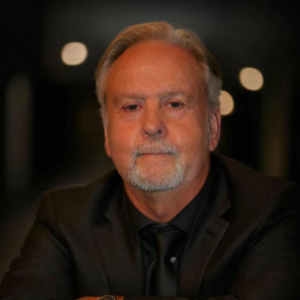
Most contractors follow basic ADA compliant bathroom design rules written for commercial spaces. T-Square Company goes further. Owner David Traut holds a graduate degree in neurophysiology and has conducted research specific to Muscular Dystrophy, giving him a precise understanding of how conditions like ALS, MS, and mobility loss affect reach range, transfer ability, and turning radius inside a bathroom. That scientific foundation is what separates an aging in place bathroom modification that truly works using the principles of Universal Design from one that simply looks the part. Before any design work begins, David listens to your story, your diagnosis, your daily friction points, and your goals for staying in the home you love. That conversation shapes every fixture placement, threshold height, and layout decision that follows.
What We Build
Bathroom Modifications That Cover Every Need
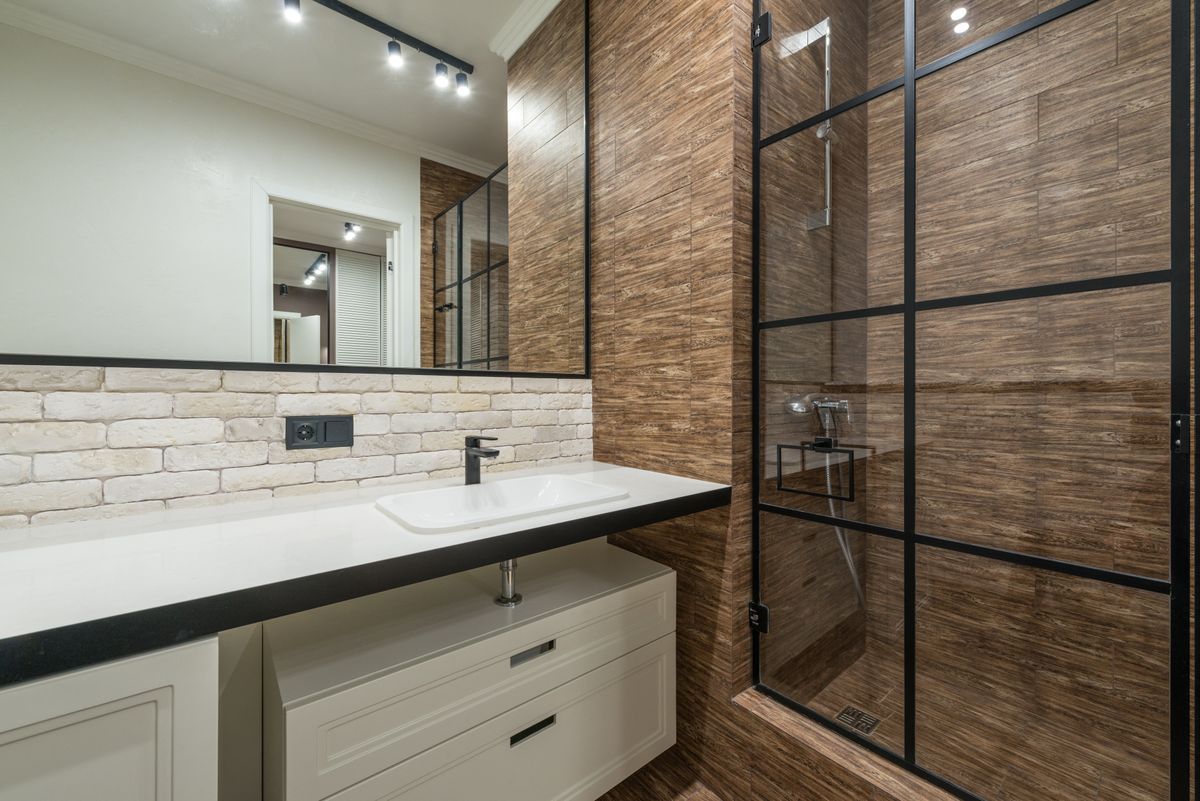
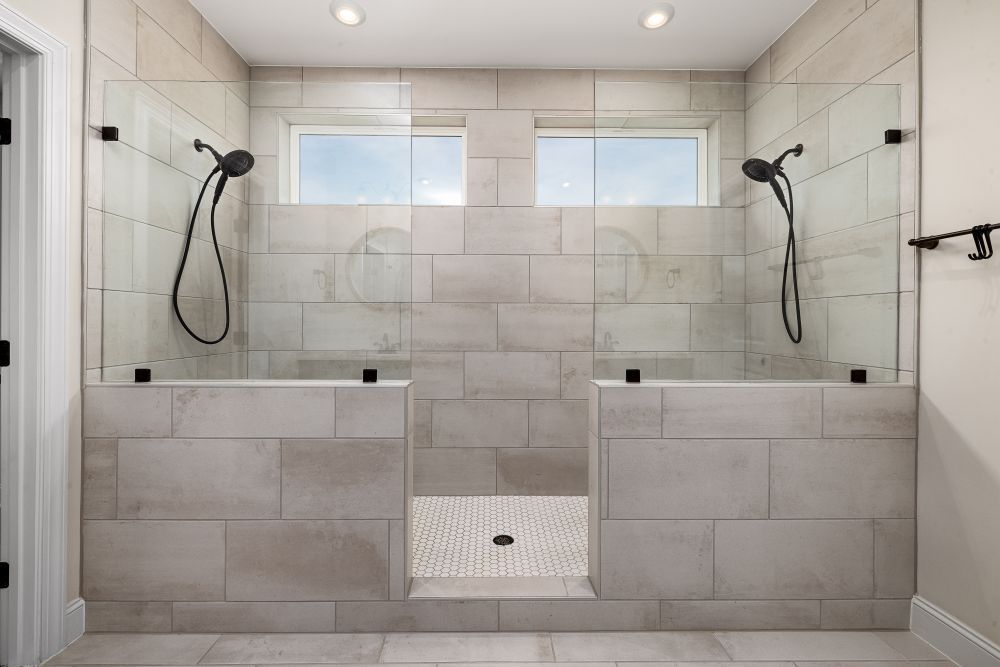
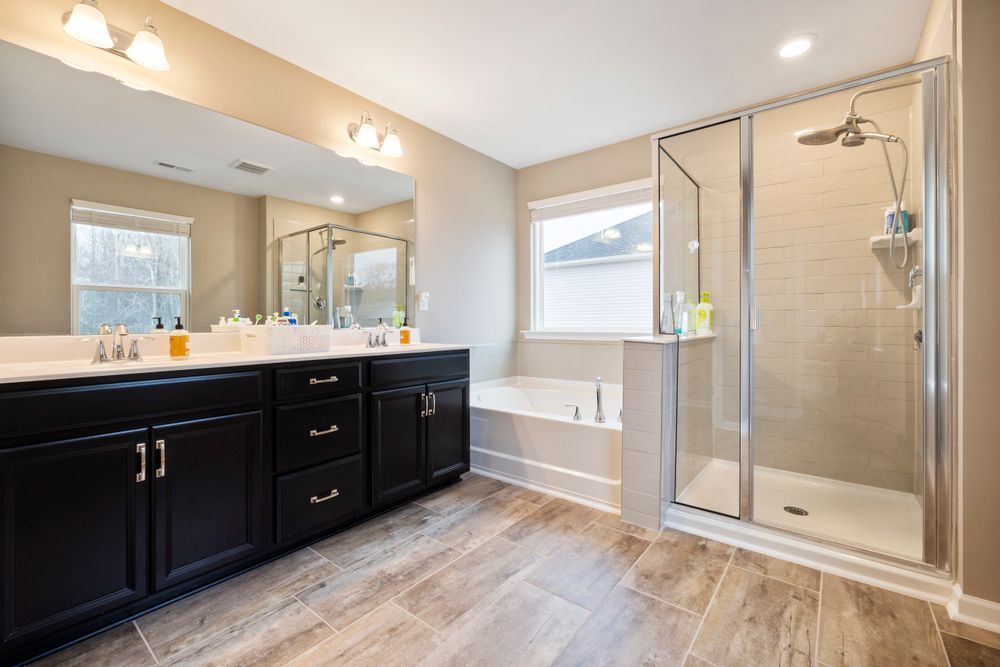
T-Square's accessible bathroom work spans the full range of mobility needs, from proactive planning for long-term livability to urgent modifications for individuals with significant limitations. Our core bathroom services include roll-in and barrier-free shower installation, walk-in shower conversions, and transfer-friendly layouts designed for wheelchair users and those with degenerative conditions. We position grab bars based on your specific reach range rather than a standard template, and we widen doorways up to three feet to accommodate wheelchairs and walkers. Zero-threshold entries eliminate trip hazards at every point of entry. For clients who want their bathroom to function as part of a broader smart home, we also integrate smartphone-controlled lighting, leak detector systems, and smart controls designed for users with limited hand function. Every modification is chosen because it serves your physiological reality, not because it is the easiest option to install.
Why It Matters
Independence and Dignity Belong in Your Own Home
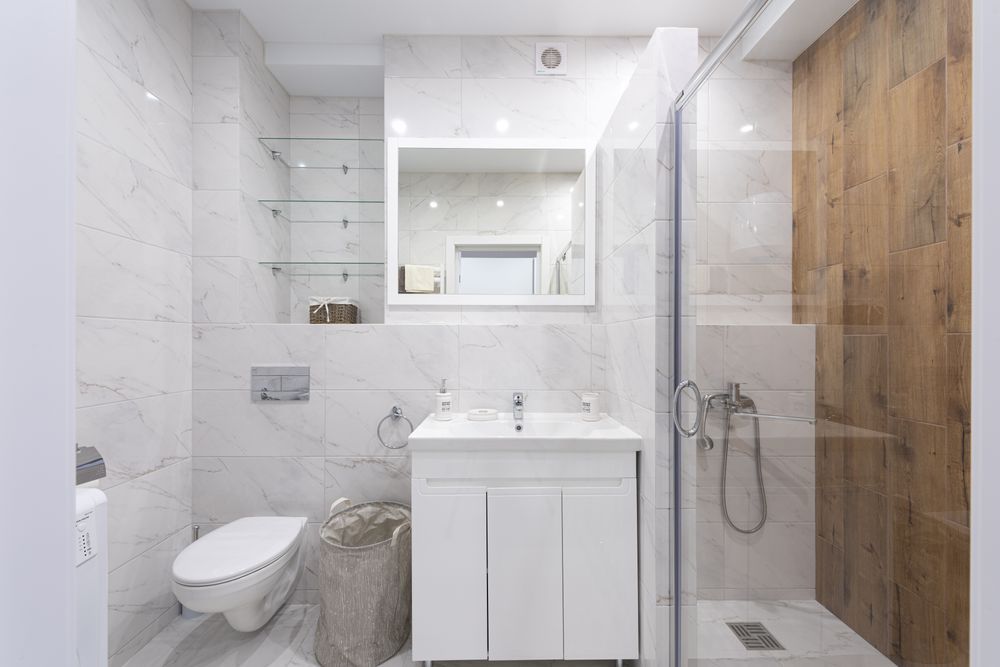
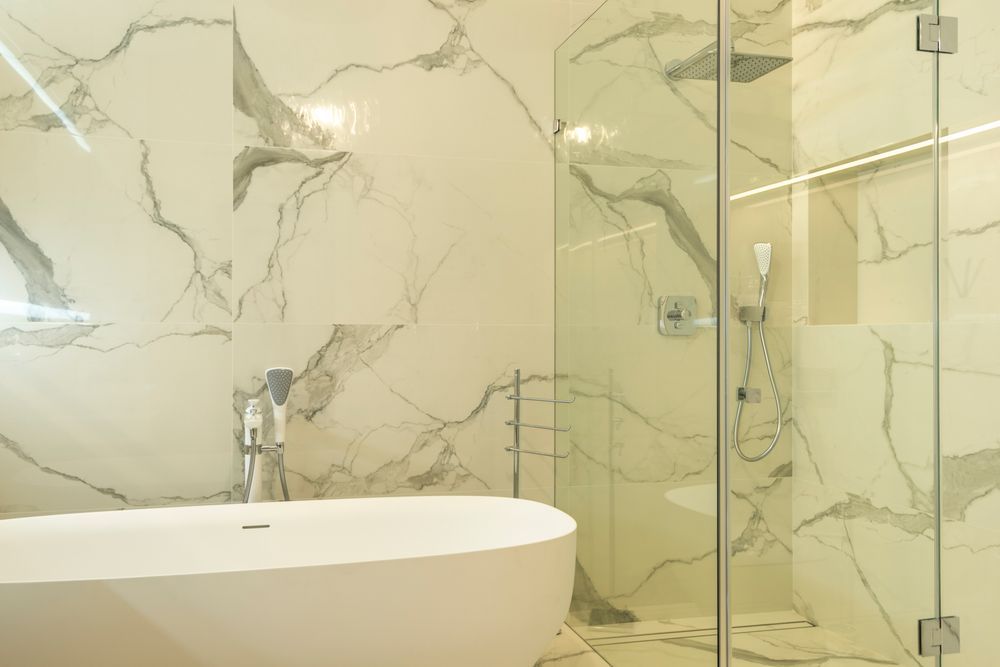
One of T-Square's clients, a person living with MS, was forced to shower at the YMCA once a week because their home bathroom was inaccessible. That is the real cost of a bathroom that has not been modified to meet a person's actual needs. It is not just inconvenient; it is a loss of privacy, dignity, and independence. T-Square's approach to Universal Design, rooted in the philosophy of Ron Mace, ensures that modifications never produce an institutional or clinical look. The goal is a bathroom that works for everyone in the household, regardless of age, size, or health status, without looking like a hospital room. Aging in place bathroom modifications done right are simply good design. They are durable, attractive, and built to adapt as your needs change over time.
The Process
From First Conversation to Final Walkthrough
T-Square manages every accessible bathroom project as a turnkey design-build engagement. The process begins with a story-first inquiry, where David evaluates your mobility goals and physical needs before the project is accepted. For Austin-area clients, this includes an in-home assessment. For those outside the immediate service area, a virtual camera-based assessment allows David to gather the information he needs remotely. From there, he designs modifications specific to your current and future ability trajectory using the principles of Universal Design, then oversees construction using a trusted roster of subcontractors with 15 to 20 years of working history with the firm. Projects typically range from $50,000 to $125,000, and the firm works with clients who utilize home equity for this level of investment. T-Square is a Certified Aging-in-Place Specialist (CAPS), a founding member of the National Aging in Place Council, and has served Central Texas homeowners since 1974.
Your Review Matters
Tell Us About Your Experience
If you've worked with our team, we'd appreciate hearing about your experience. Your review helps others feel confident choosing our company and lets us know how we're doing.
Common Questions
Answers About Accessible Bathroom Remodeling
What is the difference between ADA compliant bathroom design and residential accessibility modifications?
ADA standards were written for commercial and government buildings, not private homes. They set minimum thresholds for things like doorway width and fixture height, but they do not account for your specific reach range, transfer ability, or the turning radius required by your particular wheelchair or mobility device. Residential accessibility modifications, the kind T-Square provides, are customized to the individual. David Traut uses his neurophysiology background to design layouts that reflect how your body actually functions today and how it may change over time, which is a level of precision that generic ADA compliance simply does not offer.Will an accessible bathroom remodel make my home look institutional or clinical?
This is one of the most common concerns homeowners bring to T-Square, and it is a valid one. Many people have resisted modifications in the past because they did not want their home to look associated with disability. T-Square follows the Universal Design philosophy developed by Ron Mace, which holds that a well-designed space should work for everyone regardless of age or ability, without broadcasting that fact visually. Grab bars, zero-threshold showers, and widened doorways can all be integrated into a bathroom that looks attractive and intentional rather than medical.How does T-Square determine where to place grab bars and other fixtures in my bathroom?
Grab bar placement at T-Square is not based on a standard template. David Traut uses his background in neurophysiology to assess your specific reach range, the direction and strength of your transfer movements, and the progression of your condition if one is present. For someone with ALS or MS, the placement that works today may need to anticipate where your abilities will be in two or three years. That forward-looking, science-based approach is what distinguishes T-Square's grab bar installation from what a general contractor would provide.Can T-Square complete an assessment if I live outside the Austin area?
Yes. For clients who are not local to Austin or Central Texas, T-Square offers virtual camera-based assessments. You act as the eyes on the ground, using a camera to show David the existing bathroom layout, threshold conditions, doorway widths, and any other relevant details. From that information, he can develop a design-build plan and provide professional guidance. This approach has been used for clients as far away as New York, making T-Square's neurophysiology-informed expertise available beyond its immediate service area.What does an accessible bathroom remodeling project typically cost with T-Square?
T-Square's projects generally range from $50,000 to $125,000, reflecting the high level of customization, the quality of materials selected for long-term durability, and the neurophysiology-informed design process that goes into each engagement. This is not a commodity remodeling service. The firm works with clients who are prepared to use home equity for this level of investment and does not offer financing. The cost reflects a modification built to last and to adapt as your needs evolve, which is a different value proposition than a basic bathroom update.Who typically benefits from aging in place bathroom modifications?
T-Square works with a wide range of clients, not just older adults. The firm serves individuals with ALS, MS, and Muscular Dystrophy who need precise neurological-based layouts, veterans with mobility-specific needs, families with children who have pediatric disabilities, and adults 55 and older who want to plan ahead. David Traut often points out that ability-focused design is relevant to anyone, from a child to a seven-foot basketball player. If your current bathroom creates friction or safety risk for any member of your household, a modification assessment is worth pursuing.How long has T-Square been doing accessible bathroom work in Austin?
T-Square Company was established in 1974 and has been serving Austin and Central Texas for over 50 years. The firm's focus on accessibility sharpened in the 1980s alongside the emergence of the Americans with Disabilities Act, and it has since evolved into a specialized practice in aging-in-place and Universal Design. David Traut is a Certified Aging-in-Place Specialist, a founding member of the National Aging in Place Council, and the author of Aging in Place at Home. That depth of history and credential is uncommon in the residential remodeling space.